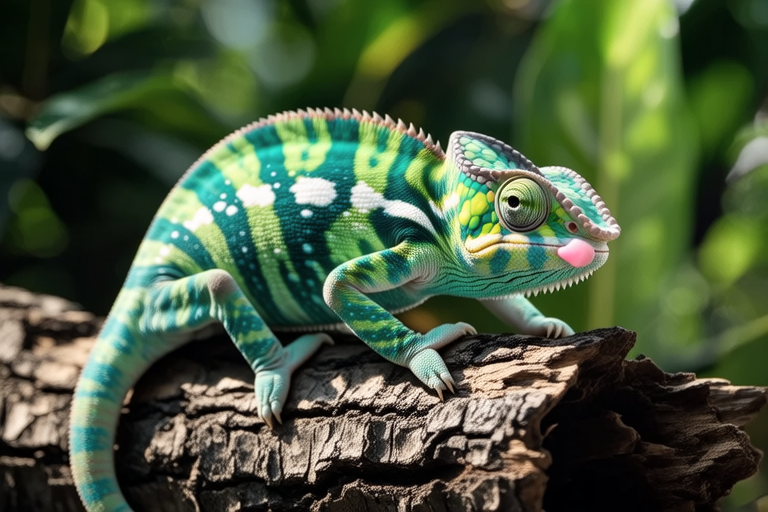
From Color Changes to Camouflage: Unveiling the Secrets of Chameleons
Introduction
Chameleons are some of the most fascinating creatures in the animal kingdom, known for their remarkable ability to change colors. These lizards have captured the imagination of people around the world with their vibrant hues and unique adaptations. Found primarily in Africa and Madagascar, chameleons belong to the family Chamaeleonidae and are characterized by their long, sticky tongues, independently rotating eyes, and feet that allow them to grip branches securely. Their ability to blend into their surroundings and communicate through color changes sets them apart from other reptiles.
The Science Behind Color Changing Abilities
The primary mechanism behind chameleons’ color-changing abilities lies in specialized cells called chromatophores. These cells are arranged in layers beneath the chameleon’s skin. The top layer contains yellow and red pigments, while the middle layer houses blue and white guanine crystals. The bottom layer consists of melanin-containing cells that can expand or contract to create darker shades. When a chameleon wants to change its color, it sends signals through its nervous system to the chromatophores, causing them to expand or contract, altering the wavelengths of light reflected off the skin.
For instance, if a chameleon wants to appear brighter, it will contract its chromatophores, allowing more light to pass through and reflect off the underlying structures. Conversely, if it needs to darken, it will expand the chromatophores, blocking more light and creating a darker appearance. This intricate process allows chameleons to produce a wide range of colors, from deep greens and browns to bright yellows and reds.
Misconceptions About Color Changing
One of the most common misconceptions about chameleons is that they change color solely for camouflage. While camouflage does play a significant role in their lives, it is far from the only reason for their color-changing abilities. In reality, chameleons change color primarily for communication and thermoregulation.
Communication is one of the most critical functions of color changing. Chameleons use color changes to signal their mood, health status, and intentions to other chameleons. For example, males may display vibrant colors during courtship displays or when defending their territory against rivals. Females also use color changes to indicate whether they are receptive to mating or if they are already pregnant. Additionally, chameleons may change color to express stress or fear, helping them avoid confrontations or dangerous situations.
Thermoregulation is another important factor in chameleons’ color-changing behavior. By adjusting their color, chameleons can regulate their body temperature more efficiently. Darker colors absorb more heat, which is beneficial for warming up in cooler environments, while lighter colors reflect more sunlight, helping the chameleon cool down in hot conditions.
Diverse Species and Their Color-Changing Behaviors
There are over 200 species of chameleons, each with its own unique color-changing behaviors. One of the most well-known species is the panther chameleon (Furcifer pardalis), native to Madagascar. Male panther chameleons are particularly famous for their spectacular color displays, which can include shades of blue, green, orange, and red. These color changes are primarily used for territorial disputes and courtship displays.
The veiled chameleon (Chamaeleo calyptratus) is another popular species, native to Yemen and Saudi Arabia. Known for its impressive casque, or helmet-like structure on its head, the veiled chameleon can change its color to match its environment or to signal aggression. Veiled chameleons are often kept as pets due to their striking appearance and relatively easy care requirements.
The Jackson’s chameleon (Trioceros jacksonii) is native to Kenya and Tanzania and is notable for its trident-shaped horns. This species uses color changes to communicate with other chameleons and to regulate its body temperature. Male Jackson’s chameleons are especially adept at displaying vibrant colors during breeding season, often showing shades of blue, green, and yellow.
The Role of Camouflage in Survival
Despite the misconception that chameleons primarily change color for camouflage, this adaptation plays a crucial role in their survival. Chameleons use their color-changing abilities to blend into their surroundings, making it easier for them to avoid predators and hunt prey. By matching the colors of leaves, branches, and other elements of their environment, chameleons can become nearly invisible to both predators and potential mates.
Camouflage is particularly useful for chameleons when they are resting or hunting. Many species spend long periods of time motionless, waiting for prey to come within reach. By blending into their surroundings, they can remain hidden until the perfect moment to strike. Similarly, camouflage helps chameleons avoid detection by predators, increasing their chances of survival.
Preserving Chameleon Habitats
The importance of preserving chameleon habitats cannot be overstated. Human activities such as deforestation, urbanization, and climate change pose significant threats to chameleon populations. As their natural habitats shrink, chameleons face increased competition for resources and a higher risk of extinction. To ensure the survival of these fascinating creatures, it is essential to protect their ecosystems and promote sustainable practices.
Individuals interested in learning more about chameleons can take several actions to support conservation efforts. Supporting organizations dedicated to wildlife preservation, participating in citizen science projects, and spreading awareness about the importance of biodiversity are all valuable contributions. Additionally, responsible pet ownership, including proper care and habitat enrichment, can help reduce the demand for wild-caught chameleons and promote ethical practices within the pet trade.
Conclusion
Chameleons are truly remarkable creatures, with their unique adaptations and fascinating behaviors making them stand out in the animal kingdom. From their color-changing abilities to their specialized hunting techniques, chameleons offer endless opportunities for discovery and wonder. By understanding the science behind their color changes and the role of camouflage in their survival, we can appreciate the complexity and beauty of these creatures even more.
As we continue to learn more about chameleons, it is crucial to remember the importance of preserving their habitats and promoting sustainable practices. By taking action to protect these amazing animals, we can ensure that future generations will have the opportunity to marvel at the wonders of chameleons for years to come.
