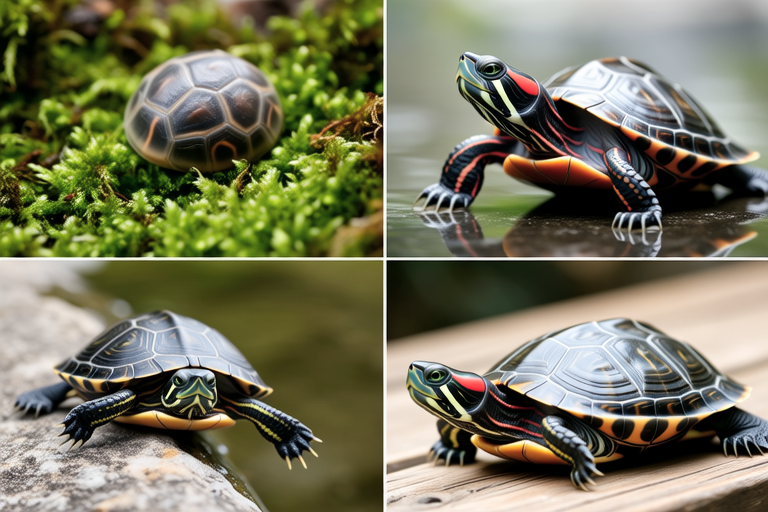
From Egg to Adult: The Journey of a Red-Eared Slider Explained in Pictures
The red-eared slider (Trachemys scripta elegans) is one of the most popular turtle species kept as pets due to its hardiness and relatively low maintenance. However, understanding their lifecycle from egg to adult is crucial for responsible ownership. This article will guide you through the fascinating journey of a red-eared slider, complete with vivid descriptions and imagery that can enhance educational materials.
Mating Process and Egg-Laying Habits
The mating process of red-eared sliders begins during spring and summer when water temperatures reach optimal levels for reproduction. Male turtles, distinguished by their longer claws and thicker tails, perform elaborate courtship displays involving head bobbing and tail wagging to attract females. Once a female is receptive, mating occurs in the water.
After successful mating, females seek out suitable nesting sites, typically sandy or loamy soil near water bodies where they dig shallow holes to lay their eggs. A clutch usually consists of 4 to 25 soft-shelled eggs, depending on the age and size of the female. These eggs are then covered with soil to protect them from predators and environmental elements.

Hatching Stage: Incubation Period and Environmental Factors
The incubation period for red-eared slider eggs ranges between 60 to 90 days under ideal conditions. Temperature plays a critical role in determining the sex of the hatchlings; warmer temperatures tend to produce more males while cooler temperatures favor females. Additionally, humidity levels around 70% are essential for preventing dehydration and ensuring proper shell formation.
During this phase, the embryo develops inside the egg, growing rapidly until it is ready to break free. When hatching time approaches, the tiny turtles use an egg tooth (caruncle) located at the tip of their snout to crack open the shell. This process may take several hours.

Growth Stages: From Hatchling to Juvenile
Newly hatched red-eared sliders are miniature versions of adults, measuring about 1 inch long. They possess high metabolic rates, necessitating frequent feedings consisting mainly of aquatic insects, small fish, and vegetation. As they grow, their diet evolves to include more plant matter alongside animal protein.
Juvenile red-eared sliders continue to develop physically, growing larger shells and limbs. Their coloration becomes more pronounced, with distinct red patches behind each eye giving them their name. Habitat needs expand to accommodate increased activity levels, requiring ample swimming space along with basking areas where they can dry off completely.

Adulthood Characteristics, Care Requirements, and Common Health Issues
Adult red-eared sliders exhibit robust bodies adorned with greenish-brown shells marked by yellow lines. Males reach lengths up to 12 inches, whereas females grow slightly larger, attaining sizes of approximately 13 inches. Lifespan expectancy averages around 20 years but can extend beyond 40 years with proper care.
To ensure longevity and well-being, adult sliders require spacious enclosures providing both underwater and above-water environments. Water quality must remain pristine through regular filtration and partial water changes. A UVB light source simulating natural sunlight helps maintain vitamin D synthesis necessary for calcium absorption.
Common health problems include shell rot caused by bacterial infections, respiratory illnesses triggered by poor air circulation, and metabolic bone disease resulting from inadequate calcium intake. Regular veterinary checkups help detect these issues early, facilitating timely interventions.

