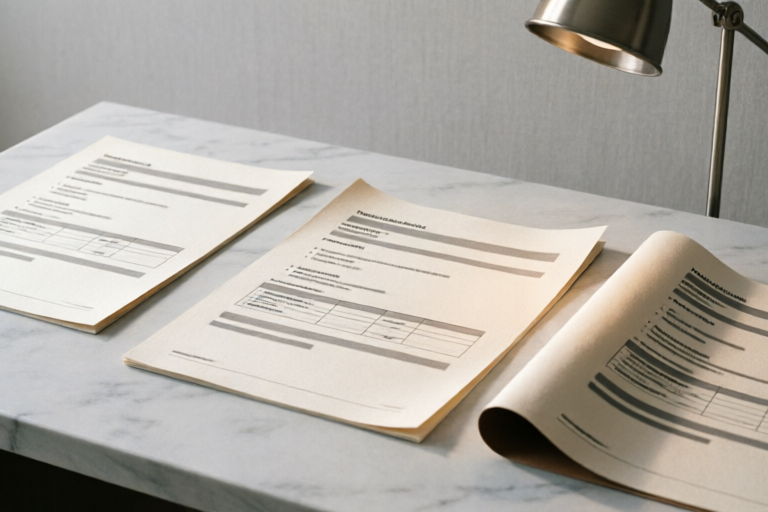
Ready-to-Use Business Proposal Templates
Efficiently Craft Your Next Business Proposal with Ready-to-Use Templates
Introduction to Business Proposals
A business proposal is a document that outlines a project, product, or service offering to a potential client or partner. It serves as a tool to persuade stakeholders to invest in your idea or purchase your solution. A well-crafted business proposal is crucial because it can significantly influence the decision-making process of potential clients or partners.
The purpose of a business proposal is to provide a clear and concise overview of the problem you are addressing, the solution you are proposing, and the benefits that will be realized if the proposal is accepted. It should also include details about the budget, timeline, and any other relevant information that will help the reader make an informed decision.
Templates play a vital role in streamlining the proposal process. They provide a structured format that ensures all necessary elements are included, which helps save time and effort. Additionally, using templates can improve the consistency and professionalism of your proposals, making them more appealing to potential clients or partners.
Benefits of Using Ready-to-Use Templates
Time-Saving and Efficiency Gains
One of the most significant advantages of using ready-to-use templates is the time they save. Instead of starting from scratch each time you need to create a new proposal, you can use a pre-designed template that already includes the necessary sections and formatting. This allows you to focus on the content rather than the structure of the document, leading to faster completion times.
Professional Presentation and Credibility
Using a professional-looking template can enhance the overall appearance of your proposal, making it more visually appealing and easier to read. A well-designed template can also convey a sense of professionalism and credibility, which can help build trust with potential clients or partners. In addition, using consistent formatting throughout your proposal can help emphasize key points and make your message more memorable.
Consistency Across Different Proposals
When you use the same template for multiple proposals, you ensure that all documents have a consistent look and feel. This can be particularly important when dealing with long-term clients or partners who may receive multiple proposals over time. Consistency can help reinforce your brand identity and demonstrate attention to detail, which can lead to stronger relationships and repeat business.
Types of Business Proposal Templates Available
Service-Based Proposals
Service-based proposals are used to outline the services that your company offers to potential clients. These proposals typically include details about the services being offered, the qualifications of your team, the expected outcomes, and the pricing structure. Service-based proposals are often used in industries such as consulting, marketing, IT, and legal services.
Product-Based Proposals
Product-based proposals are used to introduce a new product or service to potential clients. These proposals usually include detailed descriptions of the product, its features, and its benefits. They may also include information about the manufacturing process, quality control measures, and customer support. Product-based proposals are commonly used in industries such as manufacturing, retail, and technology.
Partnership or Collaboration Proposals
Partnership or collaboration proposals are used to propose a joint venture or strategic alliance between two or more companies. These proposals typically include details about the proposed partnership, the roles and responsibilities of each party, the expected outcomes, and the financial terms. Partnership proposals are often used in industries such as healthcare, finance, and real estate.
Grant Applications
Grant applications are used to request funding from government agencies, foundations, or other organizations. These proposals typically include details about the project or initiative that the funding will support, the goals and objectives, the expected outcomes, and the budget. Grant applications are commonly used in industries such as education, research, and non-profit organizations.
Key Components of Effective Business Proposals
Executive Summary
The executive summary is a brief overview of the entire proposal. It should include the main points of the proposal, including the problem being addressed, the proposed solution, and the expected outcomes. The executive summary should be written in a way that grabs the reader's attention and encourages them to continue reading the rest of the document.
Problem Statement and Needs Analysis
The problem statement section should clearly define the issue or opportunity that the proposal addresses. It should provide context and background information to help the reader understand the significance of the problem. The needs analysis section should provide a detailed assessment of the current situation and identify the gaps or challenges that need to be addressed.
Proposed Solution and Methodology
The proposed solution section should outline the specific actions or products that will be implemented to address the problem. It should include a detailed description of the solution, including how it will be delivered, the resources required, and the expected outcomes. The methodology section should describe the approach that will be taken to implement the solution, including any relevant processes, tools, or techniques.
Budget and Timeline
The budget section should provide a detailed breakdown of the costs associated with implementing the proposed solution. It should include all relevant expenses, including labor, materials, equipment, and any other costs. The timeline section should provide a schedule for the implementation of the solution, including key milestones and deadlines.
Conclusion and Call to Action
The conclusion section should summarize the key points of the proposal and reiterate the benefits of accepting the proposal. The call to action section should encourage the reader to take the next step, whether that is signing a contract, scheduling a meeting, or providing feedback. It should be clear and compelling, leaving the reader with a sense of urgency and motivation to act.
How to Choose the Right Template for Your Needs
Assessing Your Specific Requirements
Before selecting a template, it's essential to assess your specific requirements. Consider the type of proposal you need to create, the target audience, and the key points you want to communicate. You should also consider the level of customization required and the amount of time you have available to complete the proposal.
Evaluating Template Customization Options
Once you've identified your requirements, evaluate the customization options available for each template. Some templates may offer more flexibility than others, allowing you to modify the layout, fonts, colors, and other design elements. It's important to choose a template that can be easily customized to meet your needs without requiring extensive technical knowledge.
Considering Industry-Specific Templates
In some cases, it may be beneficial to use industry-specific templates that are tailored to the needs of your particular industry. These templates may include specialized sections or terminology that are relevant to your field, making them more effective at communicating your message. However, it's important to ensure that the template still meets your specific requirements and can be easily customized if necessary.
Tips for Customizing and Enhancing Your Proposal
Adding Personalized Touches
While templates can provide a solid foundation for your proposal, adding personalized touches can help make it stand out. This could include incorporating specific examples, case studies, or testimonials that demonstrate your expertise and experience. You could also personalize the language to match the tone and style of your target audience.
Incorporating Visuals and Data
Visuals and data can help make your proposal more engaging and easier to understand. Consider including charts, graphs, images, or infographics that illustrate key points or highlight important data. Visuals can also help break up large blocks of text and make your proposal more visually appealing.
Proofreading and Final Review
Before submitting your proposal, it's essential to proofread and review it thoroughly. Check for spelling and grammar errors, ensure that all sections are complete, and verify that the formatting is consistent throughout the document. It may also be helpful to have someone else review the proposal to catch any mistakes or areas for improvement.
Conclusion
Using ready-to-use business proposal templates can save time, enhance professionalism, and improve the consistency of your proposals. By exploring different types of templates, understanding the key components of an effective proposal, and customizing your proposal to meet your specific needs, you can create proposals that are more likely to be accepted and lead to successful business outcomes. Don't hesitate to experiment with different templates and find the one that best fits your business needs.
Comments

Saved this template. Time is money!

Added some personal touches and it really made a difference. Great base!

Any advice on adapting this for a partnership proposal?

Used this for a job application. Got called for an interview. Knocked it out of the park!

Loved the visuals and data sections. Made my proposal stand out!
How do I tweak this for a more niche market? Anyone have tips?

Just got my first grant with this template. Thanks! It was perfect for my needs.
Used this service-based template for a recent pitch. Saved so much time! 🙌