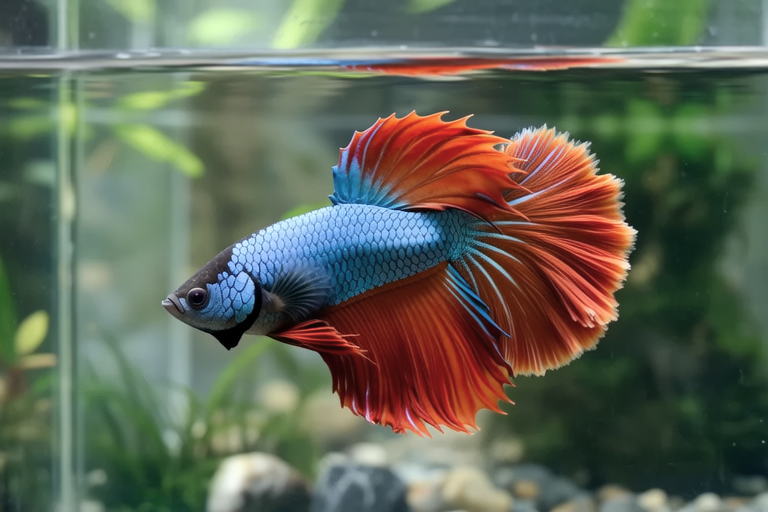
Caring for a Betta Fish Like a Pro
Welcome to your comprehensive guide on how to care for a betta fish like a pro! Whether you’re a first-time fish owner or have years of experience, this guide will provide you with all the essential information needed to keep your betta healthy and happy. From setting up the perfect tank environment to recognizing common health issues, we’ve got you covered.
Setting Up the Ideal Tank Environment
The first step in caring for your betta fish is creating an ideal tank environment. Bettas are tropical fish that require specific conditions to thrive. Start by selecting an appropriate tank size; a minimum of 5 gallons is recommended. Smaller tanks can lead to poor water quality and stress your betta.
- Water Temperature: Maintain a temperature between 76°F and 82°F (24°C to 28°C). Use a heater if necessary to keep the water warm.
- Filtration: While bettas don’t need strong currents, a gentle filtration system helps maintain water quality. Look for filters designed specifically for small tanks.
- Decorations: Add plants, caves, and other decorations to create hiding spots and stimulate natural behavior. Ensure decorations are safe and won’t harm your betta.
- Substrate: Bettas prefer a sandy substrate that’s easy on their delicate fins. Avoid sharp gravel or rocks.
Once your tank is set up, let it cycle for at least one week before introducing your betta. Cycling allows beneficial bacteria to establish, which helps break down harmful waste products.
Choosing Appropriate Tank Mates
Bettas are often sold as community fish, but they can be aggressive towards other species. Here’s how to choose suitable tank mates:
- Avoid Aggressive Species: Do not introduce fish known for their aggression, such as guppies, tetras, or angelfish. These can provoke territorial behavior in bettas.
- Choose Peaceful Companions: Consider peaceful bottom-dwelling species like snails, shrimp, or corydoras catfish. These fish typically stay out of the betta’s territory.
- Gender Matters: Male bettas are highly territorial and shouldn’t be housed together. Females can coexist in groups called sororities, provided there’s ample space and hiding spots.
Always research potential tank mates thoroughly and observe their behavior closely after introduction. If aggression occurs, separate them immediately.
Feeding Guidelines
Proper nutrition is vital for your betta’s health. Feed your betta twice daily, offering only what they can consume within two minutes. Overfeeding leads to poor water quality and obesity.
- Diet Variety: Provide a balanced diet consisting of high-quality betta pellets, frozen or live foods like bloodworms, and occasional treats like brine shrimp.
- Supplements: Consider adding vitamin supplements to their food to ensure they receive all necessary nutrients.
- Frequency: Limit feeding to twice daily to prevent overeating and improve digestion.
Monitor your betta’s eating habits regularly. A lack of appetite could indicate underlying health issues that require attention.
Maintaining Water Quality
Consistent water quality is crucial for your betta’s well-being. Regular maintenance prevents ammonia spikes and ensures a clean environment.
- Weekly Water Changes: Perform partial water changes of about 25% each week. This removes accumulated toxins and refreshes the tank.
- Testing Kits: Invest in a reliable test kit to monitor pH, ammonia, nitrite, and nitrate levels. Maintaining optimal levels promotes a healthy environment.
- Water Parameters: Aim for a pH between 6.5 and 7.5, with zero detectable ammonia or nitrite, and nitrate levels below 20 ppm.
Use dechlorinated tap water or a water conditioner when performing water changes. This neutralizes harmful chemicals present in tap water.
Recognizing Common Health Issues
Early detection and treatment of health problems are key to keeping your betta healthy. Familiarize yourself with common signs of illness:
- Floating or Swimming Upside Down: Indicates swim bladder disorder, often caused by overeating or constipation. Fast your betta for one day and offer cooked peas to aid digestion.
- Fin Rot: Characterized by frayed or disintegrating fins. Caused by poor water quality, treat with an antibiotic medication.
- Ich: Small white spots on the body. Treat with a commercial ich remedy, ensuring the tank remains heated during treatment.
If you notice any unusual behavior or physical symptoms, isolate the affected fish in a quarantine tank for treatment. Consult a veterinarian specializing in exotic pets if necessary.
Providing Adequate Space and Decorations
Creating a stimulating environment encourages natural behaviors and reduces stress. Provide ample swimming space and interesting features:
- Space: Ensure your tank provides enough room for your betta to swim freely. A larger tank offers more opportunities for exercise.
- Decorations: Incorporate various structures like caves, tunnels, and floating plants. These mimic the betta’s natural habitat and encourage exploration.
- Lighting: Install a low-wattage LED light to simulate day and night cycles. Avoid excessively bright lights, which can stress your betta.
Rotate decorations periodically to keep the environment fresh and exciting. This change also helps prevent boredom and promotes mental stimulation.
Conclusion
Caring for a betta fish involves creating a nurturing environment, providing proper nutrition, and maintaining excellent water quality. By following these steps, you’ll ensure your betta lives a long, healthy, and happy life. Remember, every fish is unique, so pay close attention to your pet’s behavior and adjust care accordingly. With dedication and knowledge, you’ll become a pro at betta fish care in no time!
