Unraveling the Truth: What Every Bearded Dragon Owner Should Know About Feeding Habits
Welcome to the fascinating world of bearded dragon care! As a responsible owner, understanding the unique dietary needs of your scaly companion is crucial for their health and well-being. This comprehensive guide will delve into the intricacies of bearded dragon feeding habits, offering insights that will help you provide the best nutrition possible.
The Importance of a Balanced Diet
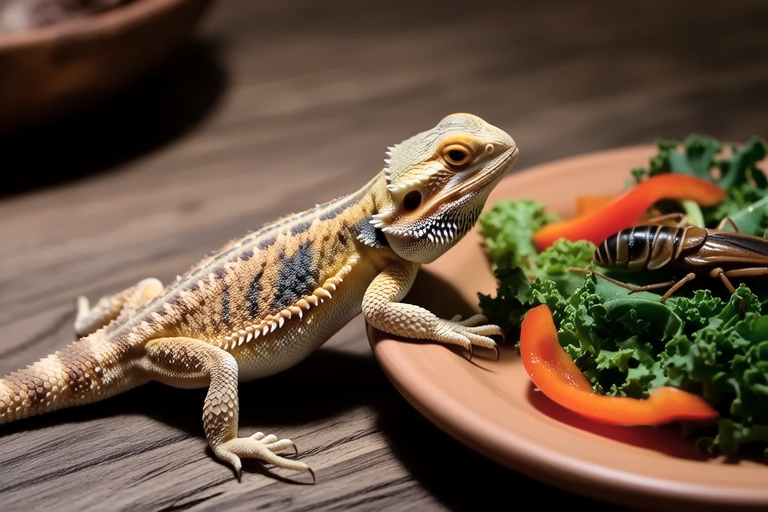
Bearded dragons, like many reptiles, have specific dietary requirements that must be met for optimal health. A balanced diet ensures that your dragon receives all the necessary nutrients, vitamins, and minerals to thrive. These creatures are omnivores, meaning they consume both plant and animal matter. The right combination of these food groups can prevent deficiencies and promote robust growth.
Essential Components of a Bearded Dragon’s Diet
Insects
Insects are a vital part of a bearded dragon’s diet, especially for younger dragons who require more protein for growth. Crickets, dubia roaches, and waxworms are popular choices among owners. It’s important to offer a variety of insect types to ensure a diverse nutrient intake. However, avoid feeding mealworms and superworms too frequently, as their hard exoskeletons can cause impaction if overfed.
The quantity of insects fed depends on the dragon’s age and size. Juvenile dragons should be fed daily, with about 8-10 appropriately sized crickets per day. Adult dragons need fewer insects, typically 4-6 crickets every other day.
Vegetables
Vegetables should make up a significant portion of an adult bearded dragon’s diet. Dark leafy greens such as collard greens, mustard greens, and dandelion greens are excellent sources of essential nutrients. Other suitable vegetables include squash, carrots, and bell peppers. It’s crucial to wash and chop these vegetables into small, manageable pieces before serving.
Avoid feeding iceberg lettuce or spinach, as these can cause digestive issues and nutrient imbalances. Additionally, limit the amount of high-calcium vegetables like kale and broccoli, as excessive calcium can lead to metabolic bone disease.
Fruits
Fruits should be offered sparingly, as they are high in sugar. Suitable options include berries, melons, and papaya. Offer fruit only once or twice a week, and in small quantities, to maintain a balanced diet.
Calcium and Vitamin D3 Supplementation
Calcium and vitamin D3 are critical for bone health in bearded dragons. A deficiency in these nutrients can lead to metabolic bone disease, characterized by soft bones and deformities. To prevent this, dust insects with a high-quality calcium supplement without vitamin D3 at every feeding for juveniles and every other feeding for adults. On the days when calcium is not provided, dust the insects with a supplement containing vitamin D3.
Additionally, ensure your dragon has access to a UVB light source. UVB light helps the dragon synthesize vitamin D3, which aids in calcium absorption. Replace the UVB bulb every six months to maintain its effectiveness.
Common Feeding Mistakes and Myths
Many owners fall into common feeding traps due to misinformation or lack of knowledge. One prevalent myth is that bearded dragons can survive solely on insects. While insects are a crucial part of their diet, neglecting vegetables and fruits can lead to nutritional deficiencies. Another mistake is overfeeding, which can cause obesity and related health problems.
It’s also important to avoid feeding wild-caught insects, as they may carry parasites or toxins harmful to your dragon. Always purchase feeder insects from reputable suppliers.
Tips for Feeding Frequency and Quantity
The frequency and quantity of food depend on the dragon’s age and size. Juvenile dragons grow rapidly and require more frequent feedings. They should be offered insects daily and a selection of vegetables several times a week. As they mature, reduce the frequency of insect feedings but increase the proportion of vegetables.
Adult dragons generally need fewer meals, with a focus on a mix of insects and vegetables. Monitor your dragon’s weight and adjust portions accordingly to maintain a healthy body condition.
Maintaining a Clean Feeding Environment
A clean feeding environment is essential for your dragon’s health. Remove uneaten insects and vegetables promptly after each feeding to prevent contamination and potential pest infestations. Regularly clean the enclosure, including any feeding dishes, to maintain hygiene.
Monitoring Weight and Health
Regularly monitor your dragon’s weight and overall health. A sudden change in appetite or weight could indicate underlying health issues. Keep track of your dragon’s feeding habits and consult a veterinarian if you notice any concerning changes.
In conclusion, understanding and implementing proper feeding habits is key to ensuring the longevity and well-being of your bearded dragon. By providing a balanced diet rich in essential nutrients, avoiding common pitfalls, and maintaining a clean environment, you’ll set your pet up for a happy and healthy life. Happy feeding!
