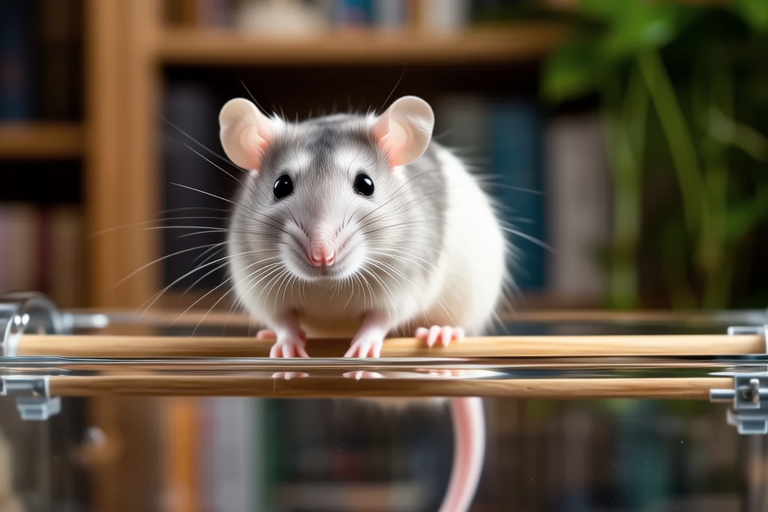
Fancy Rat Care Made Simple: A Beginner’s Step-by-Step Guide
Welcome to the wonderful world of fancy rats! These charming, intelligent, and social rodents have been captivating pet owners for decades. With their playful nature and easy adaptability, fancy rats make excellent companions for first-time pet owners and seasoned animal lovers alike. This guide will walk you through everything you need to know to provide your fancy rat with a happy, healthy life.
Introduction to Fancy Rats
Fancy rats are a domesticated breed of the brown rat (Rattus norvegicus), also known as the Norway rat. They are named “fancy” because they come in various colors and patterns and are bred for show. These rats are highly intelligent, curious, and social creatures that thrive in environments where they can interact with their human caregivers. They are known for their playful behavior, which includes climbing, digging, and exploring. Their intelligence also makes them easy to train, and many owners enjoy teaching their rats tricks or playing games with them.
One of the most endearing qualities of fancy rats is their affectionate nature. They often form strong bonds with their owners and can become quite attached. Many rats enjoy being handled and cuddled, making them ideal pets for people who want a companion animal that enjoys close contact. Despite their small size, fancy rats are full of personality and can bring joy and entertainment into your home.
Setting Up Your Rat’s Habitat
Selecting the Right Cage
The first step in creating a suitable environment for your fancy rat is choosing the right cage. The cage should be spacious enough to allow your rat plenty of room to move around, explore, and play. A minimum cage size of 18 inches wide by 24 inches long by 12 inches high is recommended for one rat, but if you plan to keep more than one, you’ll need to increase the size accordingly. Multi-level cages are ideal because they offer more space for climbing and exploration.
Choosing the Right Bedding
Proper bedding is essential for keeping your rat’s living area clean and comfortable. Avoid cedar and pine shavings, as they can cause respiratory issues. Instead, opt for safe alternatives like recycled paper products, paper pulp, or hardwood shavings. These materials are softer and less likely to irritate your rat’s skin. It’s important to change the bedding regularly to maintain hygiene and prevent odor buildup.
Including Toys and Hiding Spots
Rats are active animals that enjoy playing and exploring. Providing a variety of toys and hiding spots will help stimulate their minds and keep them entertained. Some popular choices include chew toys, tunnels, hammocks, and exercise wheels. Ensure any toys you provide are safe and free from small parts that could be swallowed. Hiding spots, such as cardboard boxes or wooden shelters, offer rats a place to retreat and feel secure.
Diet and Nutrition
Recommended Foods
A balanced diet is crucial for maintaining your rat’s health. Commercially available rat pellets are a good starting point, as they are formulated to meet the nutritional needs of rats. In addition to pellets, you can supplement their diet with fresh vegetables and fruits. Offer a variety of vegetables like carrots, broccoli, and spinach, and occasional fruits like apples and berries. Avoid feeding your rat sugary or fatty foods, as these can lead to obesity and other health problems.
Treats and Water Supply
Treats can be given sparingly as rewards during training sessions or as part of bonding time. However, be mindful of the quantity to prevent overfeeding. Fresh, clean water should always be available. Use a water bottle with a sipper tube to ensure constant access to water. Check the water bottle daily to make sure it is functioning correctly and refill it as needed.
Grooming Needs
Grooming your rat is relatively simple. Regular brushing helps remove loose fur and prevents matting. You can use a soft-bristled brush or a damp washcloth to gently stroke your rat’s coat. Nails should be trimmed every few weeks, especially if your rat spends a lot of time on hard surfaces, which can wear them down naturally. If you’re unsure about how to trim nails, consult a veterinarian or experienced breeder for guidance.
Health Care and Signs of Illness
Maintaining your rat’s health involves regular check-ups and monitoring for any signs of illness. Healthy rats have clear eyes, ears, and noses, and their coats should be smooth and glossy. Common signs of illness include lethargy, loss of appetite, weight loss, difficulty breathing, or discharge from the eyes, nose, or mouth. If you notice any of these symptoms, contact your veterinarian immediately.
Vaccinations are not typically required for pet rats, but regular visits to the vet for check-ups are still important. Parasite control, such as treating for mites or fleas, may be necessary depending on your rat’s environment. Keep your rat’s living area clean and disinfected to minimize the risk of infections.
Handling, Training, and Bonding
Safe Handling Techniques
When handling your rat, always support its body with both hands to avoid dropping or injuring it. Gently scoop your rat up from underneath, supporting its chest and hindquarters. Allow your rat to get used to being held and gradually increase the amount of time you spend holding it. Patience is key, as some rats may be hesitant at first but will eventually become comfortable with regular interaction.
Training and Tricks
Training your rat can be a fun and rewarding experience. Positive reinforcement techniques, such as offering treats or praise, work well for teaching basic commands and tricks. Start with simple tasks like coming when called or sitting on your hand. As your rat becomes more confident, you can introduce more complex tricks, such as jumping through hoops or fetching small objects.
Bonding Tips
Bonding with your rat is essential for building trust and creating a strong relationship. Spend quality time together each day, engaging in activities like playing, grooming, and handling. Consistency is key; try to establish a routine that includes regular interaction. Over time, your rat will learn to associate you with positive experiences, leading to a deeper bond.
In conclusion, caring for a fancy rat is a rewarding experience that requires commitment and attention to detail. By providing a safe, stimulating environment, a balanced diet, and regular care, you can ensure your rat lives a happy and healthy life. Remember, each rat is unique, so take the time to understand your pet’s individual needs and preferences. With patience and love, you and your rat will share many joyful moments together.
