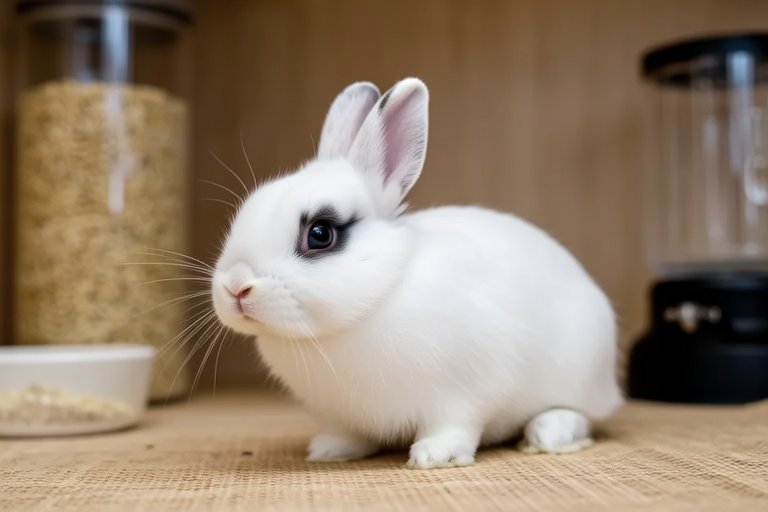
How to Choose and Raise a Happy, Healthy Dutch Dwarf Rabbit
The Dutch Dwarf Rabbit is a delightful choice for those seeking a compact, friendly companion. Known for their gentle demeanor and distinctive markings, these rabbits can bring joy and companionship into your home. However, like any pet, they require careful selection, proper care, and a nurturing environment to thrive. This guide will walk you through the essential steps to ensure your Dutch Dwarf Rabbit leads a happy and healthy life.
Selecting the Right Rabbit
Choosing the right Dutch Dwarf Rabbit involves more than just picking a cute face. Consider the following:
- Age: It’s generally best to adopt a young rabbit, typically between 8 to 12 weeks old, as they adapt more easily to new environments and training.
- Health: Ensure the rabbit is active, has clear eyes, and no signs of respiratory issues. A veterinarian check-up is recommended.
- Personality: Spend time with the rabbit to observe its temperament. Dutch Dwarfs are usually friendly, but individual personalities vary.
- Compatibility: If you already have pets, introduce them gradually under supervision to ensure compatibility.
Dietary Needs
A balanced diet is crucial for your Dutch Dwarf Rabbit’s health. Their digestive system is designed for constant grazing, so they need access to fresh hay daily. Timothy hay is ideal, providing essential fiber that aids digestion and dental health.
In addition to hay, offer a small amount of pellets formulated specifically for rabbits. These provide necessary nutrients but should be given in moderation to avoid obesity. Fresh vegetables such as kale, spinach, and carrots can be offered in limited quantities, but always introduce new foods gradually to prevent digestive upset.
Ensure your rabbit always has access to clean, fresh water. Water bottles or heavy bowls are preferred over shallow dishes to prevent spills.
Suitable Housing
Proper housing is essential for your rabbit’s comfort and well-being. Dutch Dwarfs are relatively small, so they can be kept indoors or outdoors, provided their enclosure meets certain standards.
- Size: The cage should be large enough for the rabbit to move around comfortably, stretch out fully, and have separate areas for eating, sleeping, and toileting.
- Protection: Outdoor enclosures should be secure against predators and shielded from extreme weather conditions. Indoor cages should be placed away from drafts and direct sunlight.
- Furnishings: Provide soft bedding, such as shredded paper or straw, and add toys to stimulate mental and physical activity.
- Cleanup: Regular cleaning is vital to maintain hygiene. Use safe, non-toxic cleaning products and change bedding frequently.
Exercise Requirements
Rabbits are naturally active animals and need ample opportunity to move around. Daily exercise outside their enclosure is beneficial for their physical and mental health.
Supervise playtime in a rabbit-proofed room or yard. Remove potential hazards like electrical cords, toxic plants, and small objects that could be swallowed. Allow at least an hour of supervised exercise each day, encouraging movement through tunnels, ramps, and other interactive toys.
Outdoor play should be restricted to enclosed areas, and always supervise your rabbit to protect it from predators and environmental dangers.
Grooming Tips
Regular grooming helps keep your Dutch Dwarf Rabbit’s coat clean and free from mats. Brush your rabbit weekly to remove loose fur and distribute natural oils. Bathing is generally unnecessary unless the rabbit gets particularly dirty.
Trim nails every few weeks to prevent overgrowth. Consult a veterinarian or professional groomer if unsure about nail trimming. Teeth also require attention; check regularly for signs of overgrowth or misalignment. Rabbits’ teeth grow continuously, so chew toys and appropriate vegetation help wear them down naturally.
Common Health Issues
Like all pets, Dutch Dwarf Rabbits can face various health challenges. Awareness and early intervention are key to maintaining their health.
- Overgrown Teeth: Signs include drooling, difficulty eating, and weight loss. Regular veterinary check-ups can catch this issue early.
- Diarrhea: Caused by poor diet or stress, it can lead to dehydration. Adjust the diet and consult a vet if symptoms persist.
- Ear Mites: Characterized by scratching and discharge, ear mites can cause discomfort. Treatment requires veterinary intervention.
- Respiratory Infections: Symptoms include sneezing, runny nose, and labored breathing. Prompt medical attention is necessary.
Socializing and Bonding
Building a strong bond with your Dutch Dwarf Rabbit enhances both your enjoyment and the rabbit’s happiness. Start by spending time in close proximity, allowing the rabbit to get used to your scent and presence.
Gradually introduce gentle handling, starting with petting and progressing to holding. Always support the rabbit’s bottom when lifting to prevent injury. Patience is key; some rabbits may take longer to trust their owners.
Engage your rabbit with interactive play and positive reinforcement. Treats and praise can encourage good behavior and strengthen the bond. Consistent interaction builds trust and deepens the connection between you and your pet.
Conclusion
Raising a Dutch Dwarf Rabbit requires dedication, knowledge, and love. By carefully selecting your rabbit, providing a nutritious diet, suitable housing, ample exercise, regular grooming, and attentive care, you can ensure your pet enjoys a long, healthy, and happy life. Remember, the commitment to your rabbit’s well-being is ongoing, and by fostering a nurturing environment, you’ll share many rewarding years together.
