Guinea Pig Grooming: Tips and Tricks You Need to Know!
Guinea pigs, or cavies, are delightful pets that bring joy to many households. However, like any pet, they require proper care and attention to ensure their health and happiness. One crucial aspect of guinea pig care is grooming. Regular grooming not only keeps your guinea pig looking its best but also helps prevent health issues. This article will provide you with essential grooming practices, including regular brushing techniques, nail trimming methods, teeth maintenance, bath routines, and identifying grooming issues early. We’ll also offer practical advice and tips for making grooming a positive experience for both you and your pet.
Regular Brushing Techniques
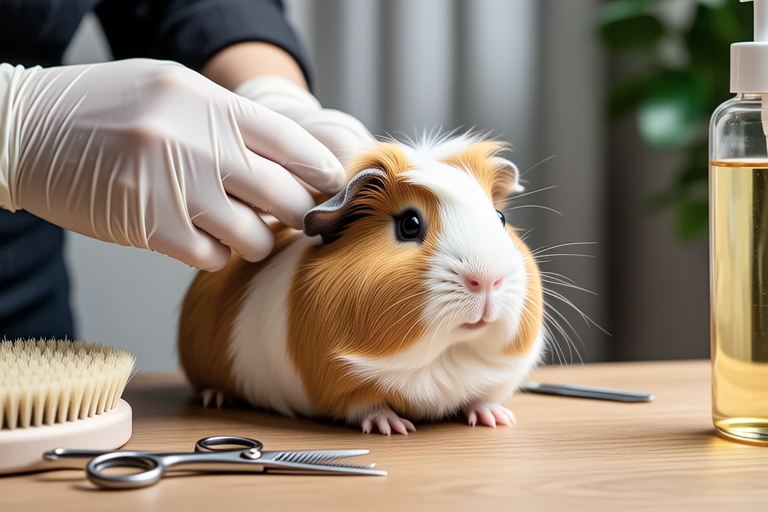
Brushing your guinea pig regularly is essential to keep their coat healthy and free from tangles. It’s particularly important for long-haired breeds, but all guinea pigs benefit from regular brushing. Choose a soft-bristled brush or a slicker brush designed for small animals. Start by gently petting your guinea pig to help them relax. Then, begin brushing in the direction of hair growth, starting from the head and working your way down to the tail.
Pay special attention to areas where mats may form, such as behind the ears and under the chin. If you encounter a mat, try to gently tease it apart with your fingers before brushing. Avoid pulling at the mat, as this can cause discomfort or pain to your guinea pig. If the mat is too stubborn, you might need to cut it out carefully with scissors designed for small animals. Always check for any signs of skin irritation or infection while brushing, and consult your veterinarian if you notice anything unusual.
Nail Trimming Methods
Nail trimming is another important part of guinea pig grooming. Overgrown nails can lead to discomfort and difficulty walking. Use a pair of small animal nail clippers or a guillotine-style clipper specifically designed for small pets. Before trimming, examine your guinea pig’s nails closely to identify the quick, which is the blood vessel running through the nail. The quick is usually visible as a dark line inside the nail. It’s crucial to avoid cutting into the quick, as this can cause bleeding and pain.
To trim your guinea pig’s nails safely, hold the paw gently but firmly. Trim a small amount at a time, ensuring you stay clear of the quick. If you accidentally cut into the quick, apply a styptic powder or cornstarch to stop the bleeding. For guinea pigs with dark nails, it might be more challenging to see the quick. In such cases, it’s advisable to have a professional groomer or veterinarian assist with nail trimming initially to familiarize yourself with the process.
Teeth Maintenance
Guinea pigs have continuously growing teeth, which need to be maintained to prevent overgrowth and related health issues. Providing your guinea pig with plenty of hay is vital, as it helps wear down their teeth naturally. Additionally, you can offer them chew toys or wooden blocks specifically designed for small animals. Check your guinea pig’s teeth regularly for signs of overgrowth or misalignment. If you notice any issues, consult your veterinarian promptly.
During regular grooming sessions, you can also check your guinea pig’s mouth for any signs of dental problems. Look for swollen gums, excessive drooling, or difficulty eating. These could indicate issues that require veterinary attention. Maintaining a balanced diet rich in vitamin C, which guinea pigs cannot produce themselves, is also crucial for their overall dental health.
Bath Routines
While guinea pigs generally do not need frequent baths, there may be occasions when a bath is necessary, such as if they get dirty or develop a skin condition. Use a shallow bowl filled with warm water and a mild, pet-safe shampoo. Wet your guinea pig thoroughly, avoiding their head and ears. Gently lather the shampoo, paying special attention to areas that may be soiled. Rinse thoroughly to remove all traces of shampoo, as residue can irritate their skin.
After bathing, wrap your guinea pig in a clean, soft towel and gently pat them dry. Do not use a hair dryer, as the noise and heat can be stressful for your pet. Allow your guinea pig to finish drying off naturally in a warm, draft-free area. Keep an eye on them after bathing to ensure they are comfortable and not showing signs of distress. If your guinea pig seems uncomfortable or shows signs of illness after a bath, consult your veterinarian.
Identifying Grooming Issues Early
Early identification of grooming issues is key to preventing more serious health problems. Regular grooming provides an excellent opportunity to inspect your guinea pig for any signs of trouble. Watch for changes in coat quality, such as dullness, excessive shedding, or bald patches. These could indicate nutritional deficiencies, parasites, or underlying health conditions.
Inspect your guinea pig’s skin for redness, bumps, or scabs, which may suggest allergies, infections, or mites. Also, pay attention to their behavior; if your guinea pig becomes lethargic, loses appetite, or shows signs of pain during grooming, these could be indicators of health issues. Regular veterinary check-ups are also essential for maintaining your guinea pig’s health and catching any potential problems early.
Making Grooming a Positive Experience
Grooming should be a positive experience for both you and your guinea pig. Start by creating a calm and quiet environment for grooming sessions. Use treats and gentle praise to reinforce good behavior and make the experience enjoyable. Gradually introduce each step of the grooming process, allowing your guinea pig to become accustomed to it. Patience and consistency are key to building trust and reducing stress.
Avoid grooming sessions that are too long or too frequent, as this can lead to your guinea pig becoming stressed or resistant. If your guinea pig shows signs of discomfort or distress, take a break and try again later. Remember, the goal is to create a routine that both you and your pet can enjoy. With practice and patience, grooming can become a bonding activity that strengthens the relationship between you and your guinea pig.
Potential Pitfalls to Avoid
When grooming your guinea pig, there are several common pitfalls to watch out for. One of the most significant risks is over-grooming, especially with long-haired breeds. Excessive brushing can lead to hair loss and skin irritation. Similarly, over-bathing can strip natural oils from your guinea pig’s skin, leading to dryness and discomfort. Always use minimal force when brushing and limit baths to no more than once a month unless necessary.
Another potential pitfall is neglecting to properly trim nails. Overgrown nails can cause discomfort and even affect your guinea pig’s mobility. Conversely, cutting the nails too short can lead to bleeding and pain. Always be cautious when trimming nails and seek professional assistance if you’re unsure about the process.
Lastly, avoid using human grooming products on your guinea pig. Many shampoos and conditioners contain ingredients that can be harmful to small animals. Always opt for pet-safe products specifically formulated for small pets. By being aware of these potential pitfalls and taking appropriate precautions, you can ensure a safe and effective grooming routine for your guinea pig.
Conclusion
Grooming your guinea pig is an essential part of their care routine. By incorporating regular brushing, nail trimming, teeth maintenance, and occasional baths, you can help keep your guinea pig healthy and happy. Identifying grooming issues early can prevent more serious health problems, and making grooming a positive experience can strengthen the bond between you and your pet. With the right tools, techniques, and attitude, grooming can be a rewarding activity for both you and your guinea pig. Remember, a well-groomed guinea pig is a healthy and content one, and that’s something every pet owner aims for.
