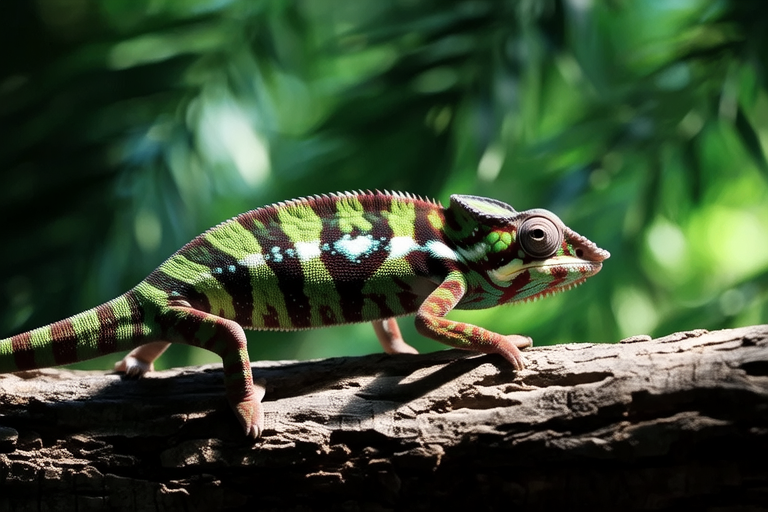
How to Care for Your Chameleon: A Complete Guide for New Owners
Welcome to the wonderful world of chameleons! These fascinating creatures are known for their vibrant colors and unique personalities. However, owning a chameleon comes with significant responsibilities. This guide will help you understand how to provide the best care for your chameleon, ensuring it lives a long and healthy life.
Chameleon Diet
The diet of a chameleon consists mainly of insects. Insects such as crickets, dubia roaches, and waxworms can be offered. It’s crucial to gut-load these insects before feeding them to your chameleon. Gut-loading means feeding the insects a nutritious diet so they can pass that nutrition on to your chameleon. Additionally, supplementing the insects with calcium and multivitamins is essential for maintaining your chameleon’s health.
Chameleons also require a varied diet to ensure they receive all necessary nutrients. Introduce different types of insects into their diet periodically. Avoid feeding them wild-caught insects, as these might carry parasites or toxins harmful to your pet.
Habitat Setup
Lighting
Proper lighting is vital for a chameleon’s well-being. UVB lighting is essential for the synthesis of vitamin D3, which aids in calcium absorption. Use a high-quality UVB bulb designed specifically for reptiles. Position the light so that it reaches the basking spot at an optimal distance, typically around 12 inches from the chameleon. Replace the bulb every six months to ensure effectiveness.
In addition to UVB lighting, chameleons need a heat lamp for basking. This creates a gradient of temperatures within the enclosure, allowing your chameleon to thermoregulate. The basking spot should reach approximately 90°F (32°C).
Temperature
Maintaining the correct temperature gradient within the enclosure is key. The warmest part of the enclosure should be around 90°F (32°C) for basking, while the cooler side should be about 75°F (24°C). Nighttime temperatures can drop slightly, but should never fall below 65°F (18°C). Use thermometers placed at various points in the enclosure to monitor these temperatures accurately.
Humidity
Chameleons thrive in environments with moderate humidity levels. Aim for humidity between 40% and 60%. To achieve this, mist the enclosure several times a day or use a fogger. Ensure there are plenty of water droplets on the plants and branches for your chameleon to drink from. Overly dry conditions can lead to dehydration and respiratory issues, while excessive humidity may cause mold growth.
Health Care Basics
Regular health check-ups are crucial for your chameleon. Look for signs of illness such as lethargy, loss of appetite, runny stools, or abnormal behavior. If you notice any concerning symptoms, consult a veterinarian specializing in exotic pets immediately.
Preventative measures include regular cleaning of the enclosure and proper hygiene when handling your chameleon. Wash your hands before and after handling, and avoid exposing your chameleon to other animals or environments where diseases could be present.
Handling Tips
Chameleons are delicate creatures and should be handled with care. They are not meant to be held like traditional pets. Instead, allow them to climb onto your hand or arm if they choose to do so. Always support their body fully, especially their legs and tail, to prevent injury. Limit handling to once or twice a week, as excessive handling can stress your chameleon.
Common Mistakes to Avoid
One common mistake is housing multiple chameleons together. Chameleons are solitary animals and can become aggressive towards each other, leading to stress and injuries. Another frequent error is placing the enclosure near windows or drafty areas, which can cause fluctuations in temperature and humidity.
Feeding inappropriate insects or failing to gut-load them properly can lead to nutritional deficiencies. Also, neglecting to clean the enclosure regularly can result in bacterial or fungal infections.
Signs of a Healthy Chameleon
A healthy chameleon displays vibrant colors, eats regularly, and moves actively around its enclosure. Its eyes should be clear and alert, and its skin should appear smooth and intact. Regular defecation indicates a functioning digestive system. If your chameleon shows these signs, it is likely thriving in its environment.
Owning a chameleon is a rewarding experience, but it requires dedication and knowledge. By understanding the dietary needs, setting up the appropriate habitat, providing proper healthcare, and avoiding common pitfalls, you can ensure your chameleon enjoys a happy and healthy life. Remember, the key to successful chameleon ownership lies in thorough research and preparation.
