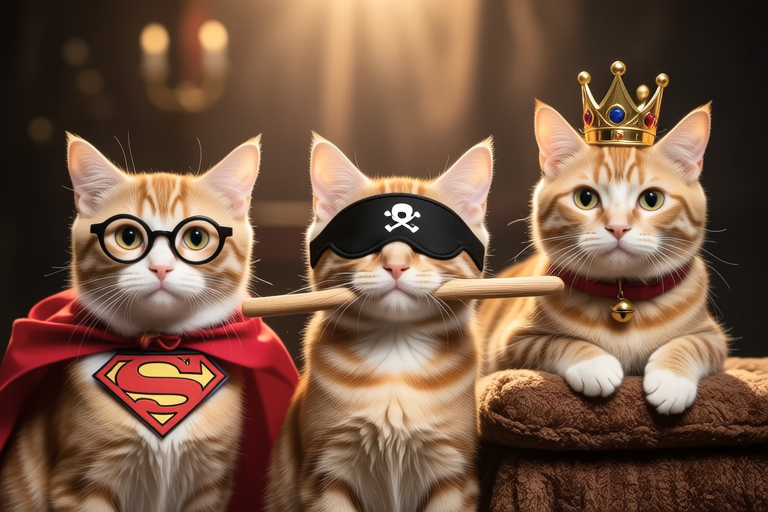
Orange Cats in Pop Culture: Famous Characters and Their Stories
In the vast landscape of pop culture, orange cats have made their mark as memorable and beloved characters. These feline figures have appeared in numerous forms of media, including movies, television shows, literature, and video games. Each character brings a unique personality, adding depth to their narratives and contributing to the cultural impact of their respective mediums. This article delves into some of the most famous orange cat characters, exploring their roles, significance, and the themes they represent.
The Cheshire Cat from Lewis Carroll’s “Alice’s Adventures in Wonderland”
The Cheshire Cat, with its iconic grin and mysterious demeanor, remains one of the most recognizable orange cat characters in literature. First appearing in Alice’s Adventures in Wonderland, this enigmatic creature serves as both a guide and a puzzle for Alice. The Cheshire Cat’s ability to disappear and reappear at will, along with his cryptic advice, challenges Alice’s perception of reality. His riddles and playful nature introduce Alice to the whimsical and sometimes nonsensical world of Wonderland. The Cheshire Cat’s presence symbolizes the fluidity of identity and the challenge of understanding one’s place in a chaotic universe.
The Cheshire Cat’s popularity extends beyond the original novel. He has been adapted into various film and television versions, each interpretation offering new insights into his character. His image has become synonymous with mystery and charm, making him a timeless figure in popular culture.
Garfield from Jim Davis’ Comic Strips and Animated Series
Garfield, the lazy, lasagna-loving tabby, is perhaps the most famous orange cat in modern pop culture. Created by cartoonist Jim Davis, Garfield first appeared in 1978 and quickly became a cultural phenomenon. Known for his sarcasm, love of food, and disdain for Mondays, Garfield resonates with audiences through his relatable humor and wit. His interactions with Jon, his owner, and Odie, the bumbling dog, provide the comic strip with its core dynamic. Garfield’s role in the narrative is that of a constant observer, often commenting on the absurdities of life.
Garfield’s enduring popularity can be attributed to his universal appeal. His humorous observations on life, love, and laziness strike a chord with readers of all ages. The character has been adapted into animated series, films, and merchandise, further cementing his status as a pop culture icon.
Cheshire Cat from Disney’s Animated Adaptation of “Alice in Wonderland”
Disney’s 1951 animated adaptation of Alice in Wonderland brought the Cheshire Cat to life with a charming and mischievous personality. In this version, the Cheshire Cat’s role is expanded, providing Alice with crucial guidance throughout her journey. His playful antics and disappearing acts add levity to the film, while also serving as a metaphor for the fleeting nature of happiness and the importance of embracing the unknown. The Cheshire Cat’s influence extends beyond the film, inspiring countless imitations and references in other media.
Despite being a supporting character, the Cheshire Cat remains a fan favorite, celebrated for his unique personality and the sense of wonder he brings to the story.
Other Notable Orange Cat Characters
Beyond the Cheshire Cat and Garfield, several other orange cat characters have left their mark on pop culture. In the children’s book series The Guardians of Ga’Hoole by Kathryn Lasky, Saphira, a wise and ancient owl, has an orange cat companion named Kallikrates. Kallikrates plays a significant role in the series, offering wisdom and protection to the main characters. His presence highlights the theme of loyalty and the importance of companionship.
In the world of video games, the orange cat known as Nibbles appears in the game Mystic Messenger. Nibbles is a quirky and playful character who adds a touch of humor to the otherwise serious narrative. His interactions with the player character offer moments of levity and warmth, making him a fan favorite.
The Appeal of Orange Cats in Pop Culture
The enduring popularity of orange cats in pop culture can be attributed to several factors. Firstly, their striking appearance sets them apart from other cat characters, making them visually memorable. Secondly, their personalities often embody traits that resonate with audiences, such as wit, playfulness, and independence. Lastly, orange cats often serve as symbols of mystery, wisdom, and the unexpected, adding depth to their narratives.
Orange cats also carry cultural symbolism. In many cultures, the color orange is associated with creativity, energy, and warmth. These qualities are reflected in the characters themselves, making them compelling and relatable figures. Additionally, the portrayal of orange cats in media often emphasizes themes of self-discovery, adaptability, and the importance of embracing change.
Cultural Impact and Reception
The cultural impact of orange cat characters cannot be overstated. From literature to animation, these characters have captured the hearts of audiences worldwide. Their roles in their respective narratives often serve as a catalyst for growth and transformation, encouraging viewers and readers to reflect on their own lives and experiences.
The reception of these characters has been overwhelmingly positive, with fans praising their charm, wit, and the emotional resonance they bring to their stories. Their popularity has led to the creation of merchandise, fan art, and even themed events, further solidifying their place in popular culture.
Conclusion
Orange cats in pop culture have proven to be more than just colorful characters; they are symbols of mystery, wisdom, and the unexpected. Through their roles in literature, film, television, and video games, these feline figures have captured the imaginations of audiences, offering insights into the human experience. Their enduring popularity speaks to the universal appeal of their personalities and the themes they represent. As we continue to explore the world of pop culture, it is clear that orange cats will remain a cherished and influential part of our collective imagination.
