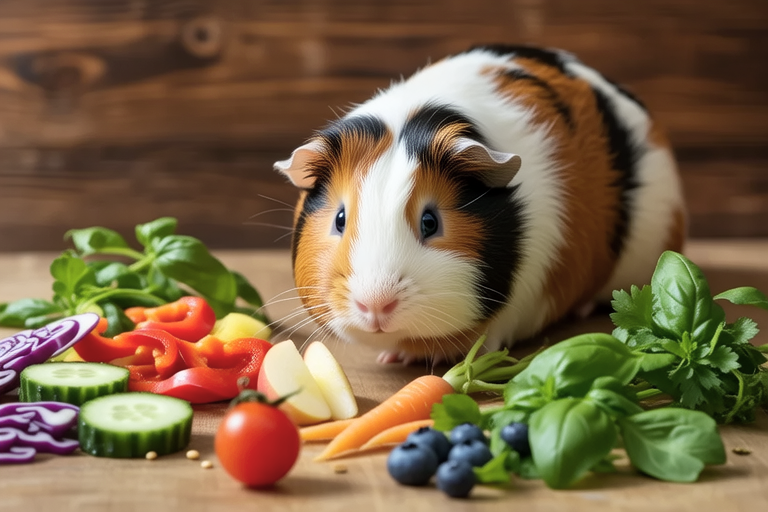
Top 10 Foods That Will Make Your Guinea Pig Dance with Joy
Guinea pigs, like all pets, require a balanced diet to thrive. Their dietary needs are quite specific, primarily because they cannot produce vitamin C on their own, making it essential to include sources rich in this nutrient. A well-rounded diet not only keeps them healthy but also enhances their happiness, leading to a more vibrant and playful pet. This guide explores the top ten foods that will make your guinea pig dance with joy, providing nutritional benefits, serving sizes, and considerations for each.
1. Fresh Carrots: A Vitamin-Rich Delight
Carrots are a favorite among guinea pigs due to their sweet taste and high vitamin A content. They also provide a good amount of fiber, which aids digestion. However, carrots are high in sugar, so moderation is key. A small slice per day is sufficient to ensure your guinea pig enjoys its benefits without risking obesity or tooth decay. Always wash carrots thoroughly before offering them to your pet.
2. Apples: Sweet Treats with a Twist
Apples are another delightful treat for guinea pigs, offering vitamins C and K along with fiber. The seeds and core should be removed as they contain cyanide, which is toxic. Offer slices of apple sparingly, perhaps once or twice a week, to avoid digestive issues. Ensure the apple is ripe and free from pesticides.
3. Kale: Nutrient-Packed Greens
Kale is a superfood for guinea pigs, packed with vitamins A, C, and K, as well as calcium and iron. It supports bone health and immune function. Introduce kale gradually, starting with a few leaves a couple of times a week. Excessive calcium intake can lead to bladder stones, so monitor your pet’s consumption carefully.
4. Broccoli: A Calcium-Rich Superstar
Broccoli is an excellent source of vitamin C and calcium, essential for maintaining strong bones and teeth. However, it can cause gas and bloating if consumed in large quantities. A small floret every other day is ideal to keep your guinea pig healthy and happy.
5. Bell Peppers: Colorful Vitamin C Boosters
Bell peppers, especially red ones, are a fantastic source of vitamin C, crucial for guinea pigs. They also contain antioxidants and fiber. Offer a small piece every few days to ensure your pet gets the necessary nutrients without overloading on carbohydrates.
6. Dandelion Greens: Nature’s Multivitamin
Dandelion greens are rich in vitamins A, C, and K, as well as calcium. They help in detoxifying the body and improving liver function. Be cautious when sourcing these greens; they should be organic and free from pesticides. Introduce them slowly, a few leaves at a time, to avoid digestive upset.
7. Timothy Hay: The Foundation of Health
Timothy hay is the cornerstone of a guinea pig’s diet. It provides essential fiber for digestion and helps wear down continuously growing teeth. Always offer fresh, high-quality timothy hay in unlimited quantities. Avoid alfalfa hay, which is too high in calcium and protein for adult guinea pigs.
8. Cilantro: A Refreshing Herbal Pick-Me-Up
Cilantro adds a refreshing flavor to your guinea pig’s diet while offering vitamins A and C. It also has diuretic properties, which can be beneficial for urinary tract health. Offer a small sprig a couple of times a week. Monitor for any signs of discomfort, as some guinea pigs may react poorly to cilantro.
9. Parsley: A Versatile Herb
Parsley is rich in vitamins A, C, and K, as well as iron. It promotes healthy blood circulation and aids in digestion. A few sprigs a couple of times a week can be offered. Like cilantro, parsley should be introduced gradually to monitor for any adverse reactions.
10. Spinach: Iron-Rich Greens
Spinach is a great source of iron, which is vital for preventing anemia. However, it contains oxalates that can interfere with calcium absorption and contribute to the formation of bladder stones. Therefore, spinach should be offered sparingly, perhaps once a week, and only after consulting with a veterinarian.
Safely Introducing New Foods
Introducing new foods to your guinea pig’s diet requires careful consideration. Start by offering small amounts of the new food and observe your pet for any signs of digestive upset, such as diarrhea or decreased appetite. Gradually increase the portion size if no adverse effects are noted. Always introduce one new food at a time to identify any problematic items easily.
Consulting with a veterinarian before making significant dietary changes is highly recommended. They can provide personalized advice based on your guinea pig’s age, health condition, and specific dietary needs. Regular check-ups also allow for early detection of any potential health issues related to diet.
In conclusion, feeding your guinea pig a variety of nutritious foods can greatly enhance their quality of life. By understanding the nutritional benefits and potential risks of each food, you can ensure your pet remains healthy and joyful. Remember, a balanced diet, coupled with proper care and attention, is the key to a long and happy life for your guinea pig.
