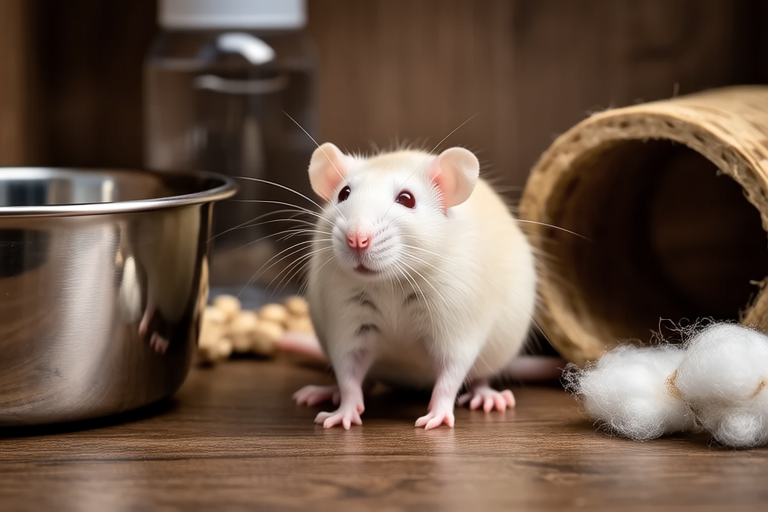
Fancy Rat Care Guide: Essential Items Every Owner Should Know
Welcome to your comprehensive guide on how to provide the best care for your fancy rat. Whether you’re a first-time owner or an experienced one, this guide will help ensure that your pet rat enjoys a healthy, happy life.
Housing Requirements
Proper housing is crucial for the well-being of your fancy rat. Rats are social animals that thrive in groups, so it’s best to keep at least two rats together. They need a spacious cage with enough room for climbing, exploring, and playing.
The ideal cage size for two rats is approximately 36 inches long by 24 inches wide by 24 inches high. This provides ample space for their natural behaviors like running, climbing, and digging. A wire cage with solid flooring or a glass tank with a secure mesh top is recommended. Avoid cages with wire floors as they can cause foot injuries. The cage should be placed in a quiet area away from direct sunlight, drafts, and excessive noise.
Rats enjoy having multiple levels within their cage, so consider adding platforms, ramps, and shelves. Provide soft bedding such as recycled paper bedding, aspen shavings, or fleece liners to create a comfortable environment. Avoid cedar or pine shavings as they can irritate your rat’s respiratory system. Clean the cage regularly to prevent odors and bacterial growth.
Dietary Needs
A balanced diet is essential for maintaining your rat’s health. Rats are omnivores, meaning they eat both plant and animal matter. Their diet should consist of a mix of commercial rat food, fresh fruits and vegetables, and occasional protein sources.
High-quality rat pellets should make up the majority of their diet, providing essential nutrients like vitamins, minerals, and proteins. Offer a small amount of these pellets daily, adjusting the quantity based on your rat’s activity level and body condition.
In addition to pellets, provide fresh vegetables and fruits as treats. Dark leafy greens, carrots, bell peppers, and apples are good choices. Avoid feeding them avocado, chocolate, caffeine, or citrus fruits, as these can be harmful. Occasionally offer cooked eggs, cheese, or mealworms for extra protein. Always introduce new foods gradually to avoid digestive upset.
Ensure your rat has access to clean, fresh water at all times. A sipper bottle is preferable as it keeps the water clean and prevents spillage. Check the bottle daily to ensure it’s functioning correctly.
Health Care Basics
Regular veterinary check-ups are vital for early detection and treatment of health issues. Find a veterinarian who specializes in exotic pets or small mammals. Schedule annual visits for routine exams, vaccinations, and dental care.
Maintain good hygiene by cleaning the cage regularly and washing your hands before and after handling your rat. This reduces the risk of transmitting bacteria or viruses. Monitor your rat’s behavior and physical appearance for any signs of illness, such as lethargy, loss of appetite, discharge from the eyes or nose, or changes in stool consistency. Early intervention can prevent more serious health problems.
Vaccinate your rat against common diseases. Rabies vaccination is unnecessary for indoor rats, but consult your vet about other vaccines that may be recommended based on your location and circumstances.
Grooming Essentials
Regular grooming helps maintain your rat’s coat and skin health. Brush your rat’s fur weekly with a soft-bristled brush to remove loose hair and distribute natural oils. Pay special attention to areas where mats or tangles may form, such as behind the ears or under the tail.
Bathe your rat only when necessary, as over-bathing can strip their skin of natural oils. Use a mild, unscented shampoo formulated for small animals. Gently wash your rat in a shallow dish of warm water, avoiding the eyes, ears, and nose. Rinse thoroughly and dry them with a soft towel. Keep them warm until completely dry to prevent chills.
Clean your rat’s ears and nails monthly. Trim their nails if they become too long or sharp. Use nail clippers designed for small animals, and be careful not to cut the quick, which contains blood vessels. If unsure, ask your vet to demonstrate proper technique.
Toys and Enrichment for Mental Stimulation
Providing toys and activities is crucial for mental and physical stimulation. Rats are intelligent creatures that require environmental enrichment to stay mentally stimulated and physically active.
Offer a variety of toys that encourage different types of play. Tunnels, chew toys, ladders, and hanging ropes are excellent choices. Rotate toys periodically to keep things interesting and prevent boredom. Hide treats or food inside toys to encourage problem-solving and foraging behaviors.
Supervise your rat during playtime to ensure safety. Remove any toys that become damaged or pose a choking hazard. Consider creating a safe play area outside the cage for supervised exercise. This allows your rat to explore and interact with its surroundings, promoting physical and mental well-being.
Tips for Handling and Bonding
Handling your rat gently and consistently helps build trust and strengthens your bond. Start by allowing your rat to become accustomed to your presence. Sit quietly near the cage and let them approach you on their own terms.
When ready, gently scoop your rat out of the cage with both hands, supporting their body and bottom. Hold them close to your chest or sit on the floor with them. Speak softly and calmly to reassure them. Allow them to explore your hands and clothes. Gradually increase the duration of handling sessions as they become more comfortable.
Spending quality time with your rat every day reinforces the bond and promotes emotional well-being. Play interactive games, offer treats, and engage in gentle grooming. Positive reinforcement techniques, such as offering treats for desired behaviors, can also strengthen the relationship.
Be patient and respectful of your rat’s boundaries. Some rats may take longer to trust humans than others. Avoid forcing interactions or handling sessions. Instead, focus on building a positive association with you through gentle, consistent interactions.
By following these guidelines, you’ll be well on your way to providing a loving, enriching home for your fancy rat. Remember, the key to successful rat ownership lies in understanding and meeting their unique needs. With proper care and attention, your rat will thrive and bring joy into your life for years to come.
