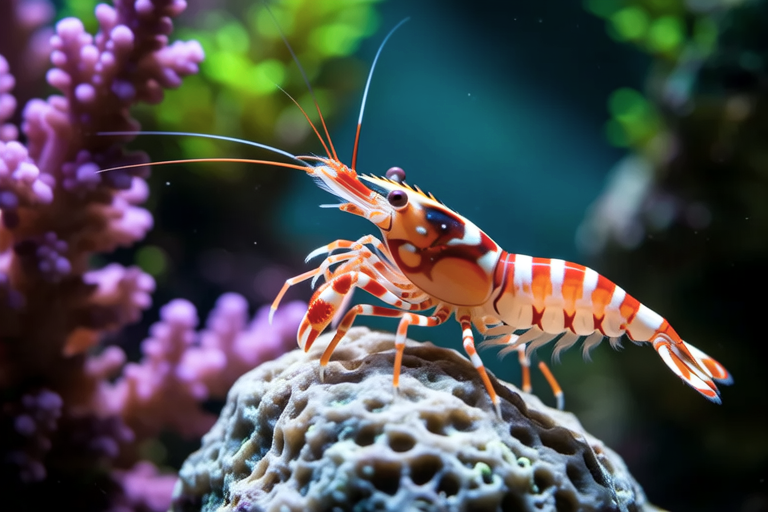
Top Tips for Feeding and Caring for Your Colorful Coral Shrimp
Welcome to the vibrant world of colorful coral shrimp! These fascinating creatures bring a splash of color and life to any aquarium. Known for their striking appearance and relatively easy care requirements, they are a favorite among both novice and experienced aquarists. This comprehensive guide will walk you through the essentials of feeding, maintaining water quality, selecting appropriate tank mates, setting up the ideal habitat, addressing common health issues, and identifying signs of a healthy shrimp.
Optimal Diet
Feeding your coral shrimp appropriately is crucial for their well-being and longevity. Coral shrimp are omnivores, meaning they consume both plant and animal matter. In their natural environment, they feed on algae, detritus, and small invertebrates. When keeping them in an aquarium, it’s important to provide a balanced diet that mimics their wild diet.
A varied diet can include blanched vegetables like spinach and zucchini, as well as commercially available foods designed for shrimp or small fish. Additionally, offering occasional treats such as frozen brine shrimp, daphnia, or bloodworms can stimulate their appetite and provide essential nutrients. Ensure that any food is appropriate for their size and avoid overfeeding, which can lead to water quality issues.
It’s also beneficial to incorporate algae-based foods into their diet. This not only provides necessary nutrients but also helps keep your aquarium glass and decorations clean. Algae wafers or sheets can be placed strategically around the tank for the shrimp to graze on at their leisure.
Water Quality Requirements
Maintaining excellent water quality is paramount for the health of your coral shrimp. Poor water conditions can lead to stress, disease, and ultimately, death. Regular monitoring and maintenance of your aquarium’s parameters are essential.
The ideal water temperature for coral shrimp ranges between 72°F and 82°F (22°C to 28°C). Sudden temperature fluctuations should be avoided as they can cause stress. The pH level should be maintained between 7.5 and 8.4, reflecting the slightly alkaline nature of their natural habitats. Ammonia and nitrite levels should be undetectable, while nitrate levels should be kept below 20 ppm. Regular partial water changes (approximately 20% every two weeks) help maintain these parameters and remove excess nutrients.
Proper filtration is key to ensuring clean and healthy water. A combination of mechanical, biological, and chemical filtration methods can effectively manage water quality. Regularly cleaning filters and performing water changes will help prevent the buildup of harmful substances.
Suitable Tank Mates
Selecting appropriate tank mates for your coral shrimp is crucial to ensure a peaceful and thriving community within your aquarium. Coral shrimp are generally peaceful and can coexist with a variety of other species. However, it’s important to consider the temperament, size, and dietary preferences of potential tank mates to avoid conflicts or predation.
Good companions for coral shrimp include small, non-aggressive fish such as dwarf gouramis, neon tetras, and harlequin rasboras. These fish are typically peaceful and pose no threat to the shrimp. Similarly, other small invertebrates like snails and crabs can make suitable tank mates, provided they do not outcompete the shrimp for food or space.
It’s important to avoid housing coral shrimp with larger, more aggressive fish or those known to prey on smaller invertebrates. Species like bettas, cichlids, and some large catfish may view the shrimp as a snack and should be avoided. Additionally, shrimp-eating fish such as loaches and certain species of pufferfish should be excluded from the tank.
Habitat Setup
Creating an appropriate habitat for your coral shrimp is essential for their comfort and well-being. A well-planned tank setup will not only enhance the beauty of your aquarium but also provide the necessary hiding spots and enrichment for your shrimp.
The ideal tank size for a group of coral shrimp is at least 20 gallons. A larger tank allows for better water circulation and more space for your shrimp to explore. The tank should have a sandy substrate, as shrimp naturally burrow into the sand in their natural habitats. This substrate should be fine enough to allow for comfortable burrowing but coarse enough to prevent compaction.
Incorporating plenty of live plants, rocks, and driftwood creates a diverse and enriching environment for your shrimp. These elements offer hiding spots, climbing surfaces, and areas for grazing. Live plants not only add aesthetic value but also contribute to the biological filtration of the tank by absorbing nutrients and producing oxygen.
Proper lighting is also important. While coral shrimp do not require intense lighting, providing a moderate light source will encourage the growth of algae, which they can graze on. A day-night cycle of approximately 8-12 hours of light per day simulates their natural environment and promotes healthy behavior.
Common Health Issues
Despite being relatively hardy, coral shrimp can still face health issues if their needs are not met. Recognizing and addressing these issues promptly can prevent further complications and improve the overall health of your shrimp.
One common issue is molting, the process by which shrimp shed their exoskeleton to grow. During this time, shrimp are particularly vulnerable to predators and stress. It’s important to ensure there are plenty of hiding spots available during this period. After molting, the shrimp will need to eat the old exoskeleton to regain calcium and energy. Providing a varied diet rich in calcium can help support this process.
Another potential health concern is bacterial infections, which can manifest as cloudy eyes, lethargy, or abnormal swimming patterns. Maintaining pristine water quality and avoiding overcrowding can help prevent these infections. If symptoms persist, consulting with a veterinarian specializing in aquatic animals can provide guidance on appropriate treatments.
Signs of a Healthy Shrimp
Observing your coral shrimp regularly can help you identify signs of good health and well-being. Healthy shrimp are active and alert, often seen scavenging for food or exploring their surroundings. Their colors should be vibrant and consistent with their species, indicating good nutrition and stress-free living conditions.
Healthy shrimp also exhibit proper shell condition. Their exoskeleton should be smooth and free from discoloration or damage. Any signs of shell deterioration or discoloration could indicate underlying health issues. Additionally, healthy shrimp should molt regularly, with the frequency depending on their age and growth rate.
Regularly monitoring your shrimp’s behavior and physical appearance can help you catch any potential issues early. By providing a suitable environment and diet, you can ensure that your coral shrimp remain vibrant and thriving members of your aquarium community.
In conclusion, caring for colorful coral shrimp is a rewarding endeavor that requires attention to detail and commitment. By understanding their dietary needs, maintaining optimal water quality, choosing compatible tank mates, setting up an enriching habitat, addressing common health issues, and recognizing signs of a healthy shrimp, you can create a thriving and beautiful aquatic environment. Enjoy the journey of nurturing these captivating creatures and watch as they become a delightful addition to your aquarium.
