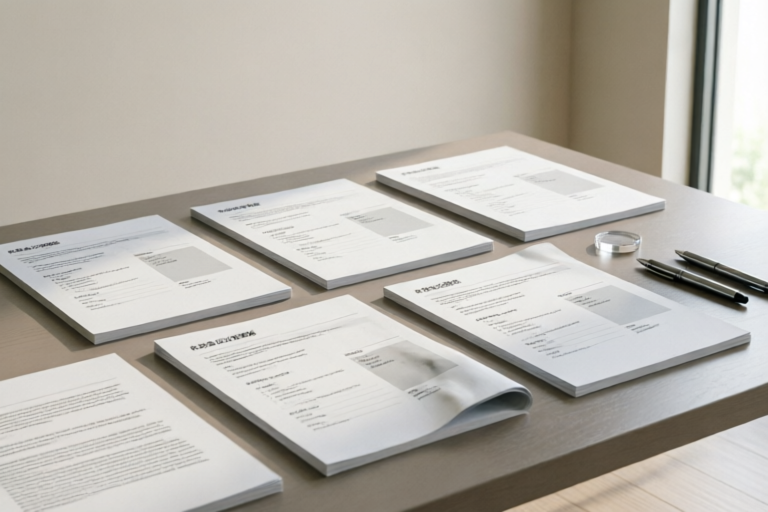
Meeting Agenda Templates for Effective Meetings
Plan Your Way to Successful Meetings
### Meeting Agenda Templates for Effective Meetings
1. Introduction to Meeting Agendas
Definition and Importance of Meeting Agendas: A meeting agenda is a structured outline that lists the topics to be discussed during a meeting. It serves as a roadmap, ensuring that the meeting stays on track and covers all necessary points. An effective agenda not only helps in organizing the flow of the meeting but also ensures that all participants are well-prepared.
Benefits of Using Structured Templates: Structured templates offer numerous advantages. They provide clarity, helping participants understand the purpose of the meeting and what to expect. This preparation can lead to more productive discussions and quicker decision-making. Additionally, templates ensure that no critical topic is overlooked, promoting efficiency and focus.
Common Pitfalls of Unorganized Meetings: Without a clear agenda, meetings can easily veer off course. Participants may spend too much time on minor issues or fail to address important matters. Unstructured meetings can also lead to confusion and dissatisfaction among attendees, ultimately resulting in wasted time and resources.
2. Essential Components of a Meeting Agenda Template
Opening Remarks and Objectives: Every agenda should start with a brief introduction or welcome message. This sets the tone for the meeting and outlines its primary goals. Clear objectives help keep the discussion focused and aligned with the overall purpose of the gathering.
Key Discussion Points and Action Items: The core of any agenda consists of the main topics to be discussed. These should be listed in order of priority, ensuring that the most important issues are addressed first. Additionally, each point should include specific action items, detailing who is responsible for following up after the meeting.
Time Allocation for Each Agenda Item: Proper time management is crucial for maintaining the flow of the meeting. Allocate a specific amount of time for each topic, allowing enough room for thorough discussion while keeping the meeting within a reasonable timeframe.
Conclusion and Follow-Up Steps: Conclude the agenda by summarizing the key takeaways and outlining the next steps. This ensures that all participants leave the meeting with a clear understanding of their responsibilities and the expected outcomes.
3. Customizing Templates for Different Types of Meetings
One-on-One Meetings vs Team Meetings: While both types of meetings benefit from structured agendas, their formats differ. One-on-one meetings often focus on individual performance reviews or personal development, requiring more personalized attention. In contrast, team meetings typically involve broader discussions about project progress and collaboration.
Strategy Sessions vs Operational Updates: Strategy sessions are forward-looking, focusing on long-term goals and initiatives. These meetings require detailed analysis and brainstorming. On the other hand, operational updates are more about current status reports and immediate actions, making them shorter and more concise.
Virtual Meetings vs In-Person Gatherings: Virtual meetings present unique challenges, such as technical difficulties and distractions. To counteract these, virtual agendas should include additional instructions for joining the call, testing equipment beforehand, and minimizing background noise. In-person meetings, however, might benefit from more interactive elements like breakout sessions or informal networking opportunities.
4. Best Practices for Creating an Effective Meeting Agenda
Prioritizing Topics Based on Urgency and Importance: Not all topics are equally important. Prioritize discussions based on their urgency and impact on the organization. This ensures that critical issues receive the attention they deserve without being overshadowed by less pressing matters.
Ensuring All Stakeholders Are Informed and Prepared: Send out the agenda well in advance so that all participants have ample time to prepare. Include relevant materials and encourage questions or input ahead of time. This preparation fosters engagement and ensures that everyone contributes meaningfully to the discussion.
Incorporating Feedback from Past Meetings to Improve Future Ones: After each meeting, gather feedback from participants regarding the effectiveness of the agenda. Use this feedback to refine future templates, addressing any recurring issues or areas for improvement. Continuous improvement leads to more efficient and productive meetings over time.
5. Tools and Resources for Generating Meeting Agendas
Popular Software Solutions: Several tools are available to assist in creating meeting agendas. Popular options include Asana, Trello, and Miro. These platforms offer customizable templates and collaborative features that enhance the planning process.
Free Templates Available Online: Many websites provide free downloadable templates for various types of meetings. Websites like Free Management Templates and Meetings in Minutes offer a wide range of options to choose from.
Tips for Creating Your Own Custom Templates: If you prefer a tailored approach, consider creating your own templates using word processing software like Microsoft Word or Google Docs. Start by identifying the common elements across different meetings and build from there. Customize fonts, colors, and layout to match your organizational style and preferences.
6. Conclusion and Final Thoughts
Recap of Key Takeaways: An effective meeting agenda template includes opening remarks, key discussion points, time allocations, and follow-up steps. It should be customized according to the type of meeting and tailored to meet the specific needs of your organization.
Encouragement to Adopt Consistent Use of Meeting Agendas: Implementing consistent use of meeting agendas can significantly improve the efficiency and productivity of your meetings. By following best practices and utilizing available tools, you can ensure that every meeting is well-planned and impactful.
Reminder That Effective Communication Leads to Better Outcomes: Ultimately, effective communication is the cornerstone of successful meetings. By clearly defining the purpose, structure, and expectations, you set the stage for productive interactions and positive results.
Comments

This is super clear and useful. Made my meetings way more productive.

Any tips on adapting this for a client presentation meeting?

Saved this template for future use. Thanks!

Would it be possible to include a space for notes during the meeting?

Perfect for virtual meetings. Helps everyone stay focused even when not in the same room.
Love the structure! Maybe add a section for Q&A at the end?
How do I adjust this for a quick 10-minute daily standup?

Used this template for our weekly team meetings. Really helped keep things on track!