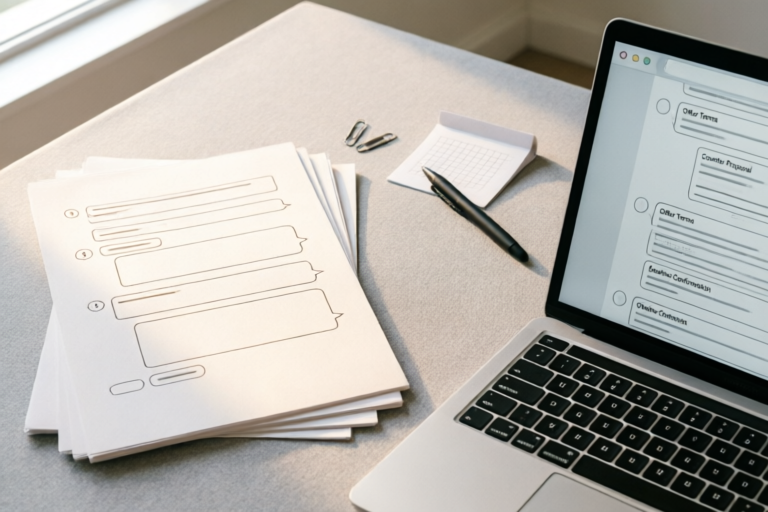
Ready-to-Use Chat Templates for Business Negotiations
Enhance Your Business Negotiations with Ready-to-Use Chat Templates
Introduction to Business Negotiation Chat Templates
Effective communication is the cornerstone of successful business negotiations. Whether you're negotiating a contract, finalizing a deal, or resolving disputes, clear and concise communication can make all the difference. Pre-prepared chat templates can help you achieve this by providing structured responses that ensure you cover all necessary points without missing out on important details.
Overview of the Importance of Effective Communication in Business Negotiations
Business negotiations often involve complex discussions that require careful consideration of various factors. Effective communication ensures that both parties understand each other's positions and expectations, which can lead to more productive outcomes. It also helps build rapport and trust, fostering long-term business relationships.
Benefits of Using Pre-Prepared Chat Templates
- Time-saving: Templates allow you to respond quickly and efficiently, saving time during busy negotiation periods.
- Consistency: They ensure that all communications are consistent, reducing the risk of misunderstandings.
- Professionalism: Well-crafted templates project a professional image, enhancing your credibility.
How These Templates Can Streamline the Negotiation Process
By having ready-to-use templates at hand, you can focus more on the content of the negotiation rather than worrying about the structure of your messages. This allows for smoother and more efficient discussions, ultimately leading to better results.
Essential Templates for Initial Contact
Opening Statements and Greetings for Initiating Conversations
Starting a conversation on the right note is crucial. Here are some sample opening statements:
- Greeting: "Hi [Client's Name], I hope this message finds you well."
- Introduction: "I am [Your Name] from [Your Company]. We recently had an opportunity to discuss [specific topic], and I wanted to follow up on that."
Asking Key Questions to Understand Client Needs
To ensure a successful negotiation, it’s important to fully understand the client’s needs. Consider asking:
- "What are your primary objectives for this negotiation?"
- "Are there any specific challenges or concerns we should address?"
Setting Expectations for Follow-Up Steps
Clearly defining next steps helps manage expectations and keeps the negotiation process moving forward. You might say:
"Based on our discussion, I’ll prepare a detailed proposal for you by [date]. Please let me know if there are any additional documents or information you need before then."
Templates for Price Discussions
Phrases for Discussing Budget Constraints
When discussing budget constraints, it’s important to be sensitive yet direct. Try these phrases:
- "I understand that budget is a concern. Let’s explore some cost-effective solutions that meet your needs."
- "We’ve worked hard to keep costs as low as possible while maintaining quality."
Proposing Discounts or Alternative Payment Terms
Offering discounts or flexible payment options can be a great way to close a deal. Consider saying:
- "To accommodate your budget, we could offer a 10% discount on the total package."
- "Alternatively, we could provide installment payment options to spread the cost over a longer period."
Handling Objections Related to Pricing
If the client raises concerns about pricing, address them calmly and professionally. You might respond:
"I appreciate your feedback on the pricing. Our team has reviewed the costs, and we believe this reflects the value of the services provided. However, I’m happy to work with you to find a solution that works within your budget."
Templates for Closing Deals
Finalizing Agreements and Securing Commitments
Once you’ve reached an agreement, it’s important to solidify the deal. Use these closing statements:
- "We’re excited to move forward with this partnership. Please review the attached agreement and sign where indicated."
- "Let’s confirm the details and get everything finalized so we can start working together."
Confirming Details and Next Steps
Ensure all details are clear and agreed upon:
"Just to confirm, the start date will be [date], and we’ll begin with [specific task]. Please let me know if there’s anything else we need to finalize."
Expressing Gratitude and Maintaining Positive Relationships
Ending on a positive note helps maintain good relations:
- "Thank you for your cooperation throughout this process. We look forward to a successful collaboration."
- "I appreciate your time and effort. Let’s stay in touch as we progress."
Templates for Handling Objections
Strategies for Addressing Common Concerns
Common objections may include quality, timing, or pricing. Address them with confidence:
- "Regarding quality, we have strict quality control measures in place to ensure top-notch results."
- "In terms of timing, we can adjust the schedule to accommodate your deadlines."
Providing Reassurance and Building Trust
Show that you’re committed to resolving any issues:
"I understand your concerns and would like to assure you that we will address them promptly. Please feel free to reach out if you have any further questions."
Turning Objections into Opportunities
View objections as chances to improve:
- "Your feedback is valuable, and we can use it to refine our approach and deliver even better results."
- "Let’s work together to find a solution that meets your needs perfectly."
Conclusion: Maximizing Success with Chat Templates
Recap of the Benefits of Using Ready-to-Use Templates
Using pre-prepared chat templates offers numerous advantages, including time savings, consistency, and professionalism. These tools help you stay organized and focused during negotiations, ultimately leading to more successful outcomes.
Tips for Customizing Templates to Fit Specific Situations
While templates are helpful, they should be tailored to fit the specific context of each negotiation. Adapt language and tone to match the client’s preferences and the nature of the discussion.
Encouragement to Experiment and Refine Negotiation Strategies
Finally, encourage continuous improvement. Experiment with different approaches and refine your negotiation strategies based on feedback and outcomes. By doing so, you can continually enhance your skills and achieve greater success in your business negotiations.
Comments

Used the objection handling template on a client message, felt more confident.

Saved these templates for quick reference during busy days. So helpful!

Love the templates but could use some more examples for different industries.

Any tips on handling objections without sounding defensive?

This closing deal template really sealed the deal for me. Thanks!
How do I tweak the price discussion templates to sound less robotic?
Used the initial contact template last week, and it helped set the tone perfectly!