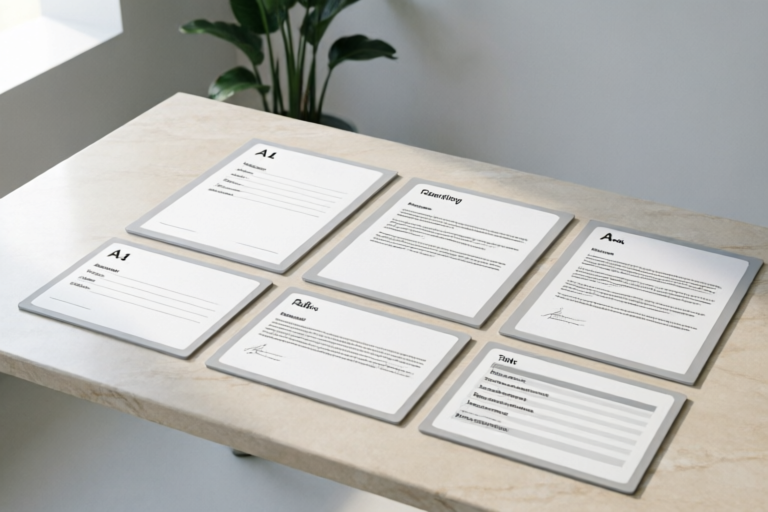
Professional Business Templates for Daily Communication
Efficient Communication, Streamlined Operations
### Article Outline: Professional Business Templates for Daily Communication
1. Introduction to Business Communication Templates
Overview of the Importance of Professional Templates in Business Communication: In today's fast-paced business environment, efficient communication is key to success. Professional templates play a crucial role in ensuring that all communications are clear, concise, and consistent. These templates provide a structured format that helps maintain professionalism and ensures that important details are not overlooked.
Brief Explanation of How Templates Can Streamline Daily Operations: By using pre-designed templates, businesses can save time and reduce errors. This allows employees to focus on more strategic tasks rather than worrying about formatting or structuring their communications. Additionally, templates help standardize processes, making it easier for different departments to collaborate effectively.
2. Email Templates for Customer Engagement
Sample Email Structures for Initial Contact, Follow-Ups, and Customer Support: Emails are one of the most common forms of communication in business. Having well-crafted email templates can significantly improve customer engagement. Here are some examples:
- Initial Contact: Introduce yourself and briefly explain why you're reaching out. Include a call-to-action to encourage further interaction.
- Follow-Ups: Remind the recipient of previous conversations and provide updates on any ongoing projects. Be sure to ask open-ended questions to keep the conversation flowing.
- Customer Support: Acknowledge the issue and outline steps being taken to resolve it. Offer additional assistance if needed.
Tips on Personalizing Emails While Maintaining a Professional Tone: Personalization is key to building strong relationships with customers. However, it's important to strike a balance between personalization and professionalism. Use the recipient's name, mention past interactions, and tailor your message to their specific needs. Always proofread before sending to ensure clarity and correctness.
3. Meeting Agendas and Minutes Templates
How to Create Effective Meeting Agendas to Ensure Productive Discussions: A well-prepared agenda sets the stage for a successful meeting. It should clearly outline the purpose of the meeting, list topics to be discussed, and allocate time for each item. This helps keep the discussion focused and ensures that all necessary points are covered.
Structuring Meeting Minutes for Clear Record-Keeping and Action Item Tracking: Meeting minutes serve as a record of what was discussed during the meeting and what actions were agreed upon. They should include the date, time, location, attendees, and a summary of each topic covered. Action items should be clearly stated along with responsible parties and deadlines. This helps ensure accountability and facilitates follow-up.
4. Proposal and Presentation Templates
Guidelines for Drafting Persuasive Proposals That Meet Client Expectations: Proposals are often used to secure new business opportunities. To draft a compelling proposal, start by understanding the client's needs and objectives. Clearly outline how your solution will address these needs. Provide evidence of your expertise through case studies or testimonials. Finally, include a detailed breakdown of costs and timelines.
Designing Impactful Presentations That Convey Key Messages Effectively: Presentations are another essential tool in business communication. When designing a presentation, keep your audience in mind. Use visuals to support your points and make complex information easier to understand. Keep slides uncluttered and focus on key messages. Practice delivering your presentation to ensure smooth delivery.
5. Contract and Agreement Templates
Essential Elements to Include in Standard Contracts and Agreements: Contracts and agreements are legally binding documents that protect both parties involved. Some essential elements to include are:
- Parties involved
- Date of agreement
- Scope of work
- Payment terms
- Termination clauses
- Confidentiality agreements
Ensuring Legal Compliance With Template Usage: While templates can be very useful, it's important to consult with a legal professional to ensure that they comply with local laws and regulations. Customization may be necessary based on the specific circumstances of each transaction.
6. Summary and Best Practices
Recap of the Benefits of Using Professional Templates in Daily Business Communication: Using professional templates can lead to more efficient and effective communication within your organization. They help maintain consistency, save time, and reduce errors. Additionally, they provide a standardized approach that can facilitate collaboration across different departments.
Final Tips for Selecting and Customizing Templates to Fit Specific Organizational Needs: When choosing templates, consider the specific requirements of your business and industry. Customize them as needed to reflect your brand identity and ensure they align with your internal processes. Regularly review and update templates to incorporate new best practices and changes in regulations.
Comments

This helped me keep my meetings on track. Clear and concise!

Used this and it worked

How do I adjust the contract template for international clients? Need some advice here.

Would love to see a template for social media messages too. Any ideas?

I copied the follow-up email template and personalized it. Customers responded faster!
Really helpful for ensuring all the legal bits are covered in my contracts. Thanks!

Loved the proposal template. Added some visuals and it was a hit with the clients!

The meeting agenda template is great but could use more space for action items. Any suggestions?

Used this email template for customer engagement and it worked like a charm! Saved me so much time.