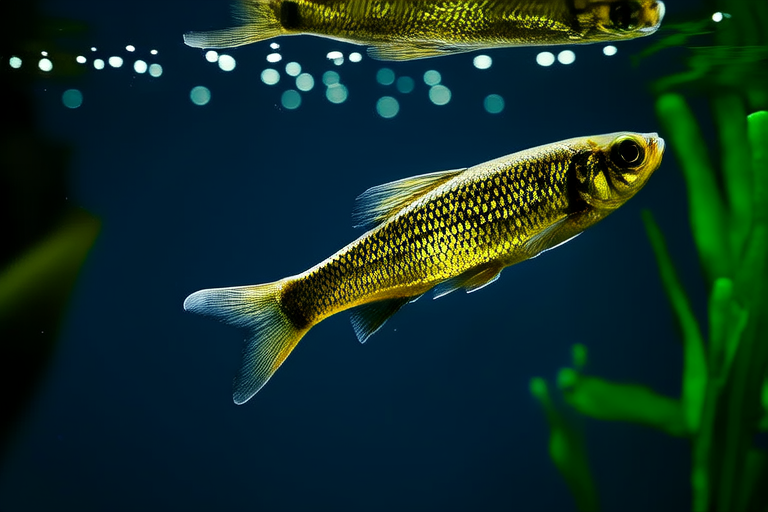
A Closer Look at the Golden Wonder: Caring for Your Arowana Pet
The Arowana, often referred to as the “Golden Wonder,” is one of the most captivating and majestic freshwater fish species. Known for its striking appearance and regal demeanor, it has been a favorite among aquarium enthusiasts for decades. This comprehensive guide will provide you with all the necessary information to care for your Arowana, ensuring that you can enjoy this magnificent creature’s beauty for years to come.
Unique Characteristics of Arowanas
Appearance
Arowanas are large, elongated fish with a distinctive upward-facing mouth. Their scales are large, shiny, and armored, giving them a robust and formidable look. The coloration varies by species; the Asian Arowana, for instance, is often metallic green or gold, while the Silver Arowana has a silvery sheen. These fish can grow up to three feet in length, making them a stunning addition to any well-equipped aquarium.
Behavior
Arowanas are active swimmers and are known for their jumping abilities. They can leap out of the water to catch prey, which makes them quite impressive to watch. Despite their size, they are generally peaceful fish, but they can be territorial, especially towards other large fish. Providing ample space and hiding spots within the tank can help mitigate any potential conflicts.
Dietary Needs
Arowanas are carnivorous predators and require a diet rich in protein. Juvenile Arowanas primarily eat insects, small crustaceans, and worms, while adults consume larger prey such as small fish, shrimp, and even rodents. It is crucial to offer a varied diet to ensure they receive all the necessary nutrients. Commercially prepared foods, like pellets or sticks, can be supplemented with live or frozen foods to mimic their natural diet.
Setting Up the Tank Environment
Tank Size and Setup
Arowanas need a spacious tank to thrive. For a single adult, a minimum of 180 gallons is recommended, with additional space for each additional fish. The tank should be long rather than tall, allowing ample swimming room. A sandy or fine gravel substrate is ideal, as it mimics their natural habitat and is easier to maintain.
Water Parameters
Maintaining optimal water conditions is crucial for the health of your Arowana. The temperature should be kept between 78-84°F (25-29°C), with a pH level of 6.5 to 7.5. Regular testing and adjustments using appropriate water conditioners are necessary to ensure these parameters are met.
Filtration Systems
Given their size and activity level, Arowanas produce a significant amount of waste. An efficient filtration system is essential to keep the water clean. Canister filters or sump systems are highly recommended due to their ability to handle high bio-load and provide mechanical, chemical, and biological filtration.
Feeding Habits
Juvenile Stage
Young Arowanas have a voracious appetite and need frequent feedings. Feed them small amounts of food several times a day, focusing on high-protein options like brine shrimp, bloodworms, and daphnia. As they grow, gradually increase the portion sizes and introduce more substantial prey items.
Adult Stage
Adult Arowanas should be fed once or twice daily, with each meal consisting of two or three large pieces of food. A mix of commercial pellets, live or frozen fish, and occasional treats like prawns or earthworms will keep them healthy and active. Avoid overfeeding, as excess food can lead to poor water quality and health issues.
Common Health Issues and Preventive Measures
Signs of Illness
Regular observation is key to maintaining your Arowana’s health. Common signs of illness include lethargy, loss of appetite, abnormal swimming behavior, or visible sores or lesions. If you notice any of these symptoms, consult a veterinarian specializing in exotic fish immediately.
Preventive Measures
To prevent health issues, maintain excellent water quality through regular water changes and proper filtration. Quarantine new fish before introducing them to the main tank to avoid the spread of diseases. Additionally, ensure that the tank environment is stress-free and enriched with appropriate hiding spots and plants.
Tips for Handling and Maintaining the Aquarium
Handling Your Arowana
Arowanas are delicate and should only be handled when absolutely necessary. Use a soft net and support their body fully to avoid injury. Handling should be done gently and infrequently to minimize stress.
Maintaining the Aquarium
Consistent maintenance is vital for the longevity of your Arowana. Perform weekly water changes, clean the filter media regularly, and monitor water parameters closely. Regularly check the tank’s lighting and heater to ensure they are functioning correctly.
Conclusion
Caring for an Arowana is a rewarding experience that requires dedication and knowledge. By understanding their unique characteristics, setting up the right tank environment, and providing a balanced diet, you can ensure your Arowana lives a long, healthy life. With proper care, these majestic creatures will bring joy and fascination to your home for many years to come.
