Shiba Inus: Ancient Japanese Breeds with Unique Traits
The Shiba Inu is one of the most ancient Japanese dog breeds, known for its unique blend of adorability and independence. These dogs have captivated the hearts of many pet owners due to their distinctive appearance and intriguing personality. This article delves into the physical characteristics, temperament, history, grooming needs, dietary requirements, and common health issues of Shiba Inus, providing a comprehensive understanding of why these dogs are cherished pets.
Physical Characteristics
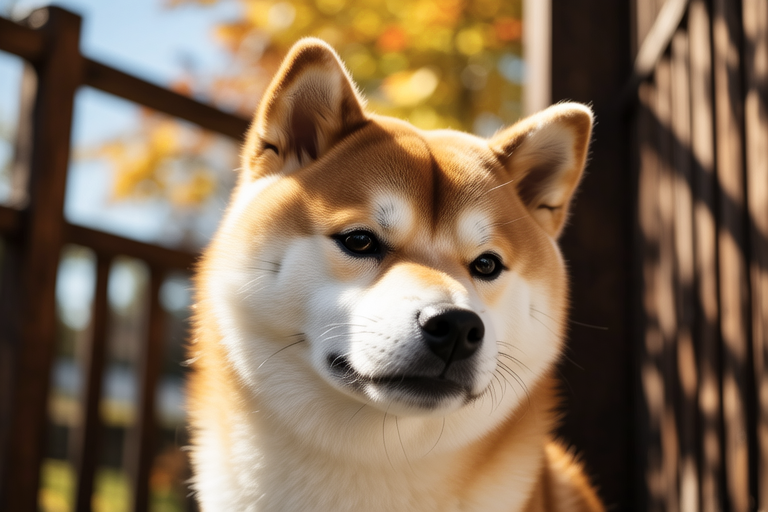
Shiba Inus are small to medium-sized dogs, typically weighing between 17 to 23 pounds and standing about 14 to 16 inches tall at the shoulder. Their thick double coat, which consists of a soft undercoat and a straight outer coat, provides insulation against cold weather. The striking red coloration of their fur, along with black-tipped ears, tail, and mask, makes them easily recognizable. They also come in sesame (a mix of red and black hairs), cream, and black and tan variations, though the latter two are less common. Their triangular-shaped, slightly slanted eyes and erect, pointed ears give them an alert and intelligent expression.
Temperament
Shiba Inus are known for their independent yet playful nature. They are affectionate with their families but can be aloof or even aggressive towards strangers. This balanced temperament makes them excellent watchdogs. Despite their independent streak, Shiba Inus enjoy playtime and are quick learners. However, their stubbornness can make training challenging. Early socialization and consistent, positive reinforcement are crucial for developing well-behaved pets. Their strong prey drive means they may chase small animals, so it’s important to keep them on a leash during walks. Shiba Inus are also known for their cleanliness; they are fastidious groomers and dislike getting dirty. Their intelligence and adaptability make them suitable companions for various living situations, from apartments to large homes.
History in Japan
The origins of the Shiba Inu date back to ancient times in Japan, where they were used for hunting. The breed was named after the Japanese word “shiba,” which means brushwood, likely referring to the dense vegetation in which they hunted. Three regional varieties existed: the San’in, Shinetsu, and Mino Shibas. After World War II, the breed nearly became extinct due to bombing raids and canine distemper outbreaks. Efforts were made to revive the breed using the remaining dogs, leading to the modern Shiba Inu. Today, they are recognized as Japan’s national dog and are cherished for their loyalty and charm. Their history has shaped their personality traits, making them loyal, alert, and independent dogs that thrive in structured environments.
Grooming Needs
Shiba Inus have a thick double coat that requires regular grooming to prevent matting and shedding. Brushing them twice a week with a slicker brush or a rubber curry comb can help remove loose hair and distribute natural oils throughout their coat. During shedding season, which occurs twice a year, more frequent brushing may be necessary. Bathing should be done only when necessary, as over-bathing can strip their coat of its natural oils. Trimming their nails, cleaning their ears, and brushing their teeth regularly are also important aspects of their grooming routine. Proper grooming not only keeps them clean and healthy but also strengthens the bond between owner and pet.
Dietary Requirements
Shiba Inus are carnivorous dogs that require a diet rich in animal protein to maintain their muscle mass and overall health. High-quality dog food that meets their nutritional needs is essential. Feeding them a balanced diet with appropriate portions is crucial for preventing obesity, a common issue among Shiba Inus. Obesity can lead to various health problems, including joint issues and heart disease. Consulting with a veterinarian to determine the right amount and type of food for your Shiba Inu is recommended. Fresh water should always be available to keep them hydrated.
Common Health Issues
Shiba Inus are generally healthy dogs, but like all breeds, they are prone to certain health conditions. Hip dysplasia, a condition where the hip joint doesn’t fit properly into the socket, can cause discomfort and mobility issues. Progressive retinal atrophy, a degenerative eye disease that can lead to blindness, is another concern. Epilepsy, a neurological disorder characterized by seizures, can also affect Shiba Inus. Regular veterinary check-ups and genetic testing can help identify potential health risks early. Providing a healthy diet, proper exercise, and mental stimulation can contribute to their overall well-being.
Conclusion
Shiba Inus are cherished pets for their loyalty and charm, despite their independent spirit. Their unique combination of adorability and independence makes them stand out among other dog breeds. Their physical characteristics, including their small to medium size, thick coat, and striking red coloration, add to their appeal. Understanding their temperament, history, grooming needs, dietary requirements, and common health issues can help ensure a happy and healthy life for these beloved dogs. With proper care and attention, Shiba Inus can be wonderful companions for many years to come.
