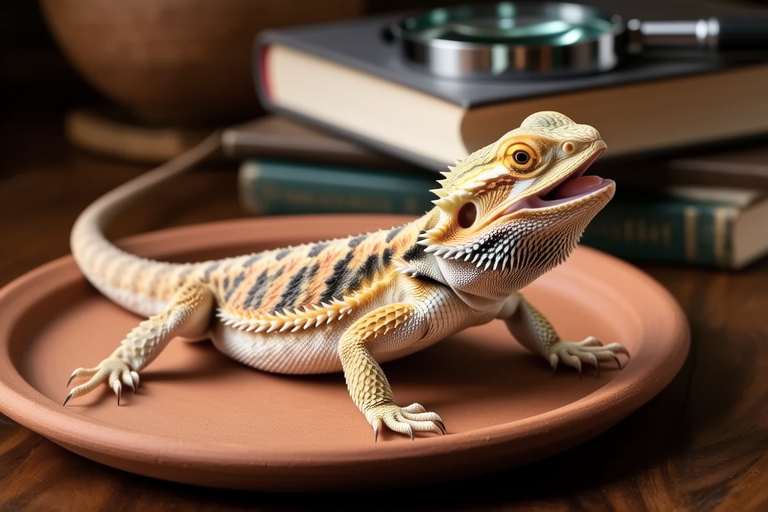
Common Myths About Bearded Dragons Debunked
Bearded dragons, scientifically known as Pogona vitticeps, have become one of the most popular reptile pets worldwide. Their docile nature, vibrant colors, and manageable size make them ideal companions for both novice and experienced pet owners. Originating from the arid regions of Australia, these lizards are named for the spiky scales that extend from their throats, resembling a beard when they puff themselves up in displays of aggression or excitement. Despite their growing popularity, several misconceptions persist regarding their care and behavior. This article aims to dispel some of the most common myths about bearded dragons, offering valuable insights into their care and encouraging responsible pet ownership.
Myth 1: Bearded Dragons Can Survive on a Diet of Crickets Alone
One of the most prevalent myths about bearded dragons is that they can thrive solely on a diet of crickets. While crickets are a crucial part of their diet, they should not form the entirety of it. Bearded dragons are omnivores, meaning they need a balanced diet that includes vegetables, fruits, and occasional insects.
Fact: A well-balanced diet for bearded dragons consists of 80% plant matter and 20% protein (insects). Vegetables such as collard greens, mustard greens, and squash provide essential vitamins and minerals. Fruits, including berries and melons, offer additional nutrients but should be given sparingly due to their high sugar content.
Tips for New Owners: Introduce a variety of vegetables and fruits to your bearded dragon’s diet gradually. Ensure all food items are pesticide-free and appropriately sized for your pet. Consult a veterinarian or a reptile specialist for a tailored feeding schedule.
Myth 2: Bearded Dragons Don’t Require UVB Lighting
Another common misconception is that bearded dragons don’t need UVB lighting. However, UVB light is vital for bearded dragons to synthesize vitamin D3, which aids in calcium absorption and prevents metabolic bone disease.
Fact: Bearded dragons require UVB lighting to help them metabolize calcium, which is crucial for their bone health. Without adequate UVB exposure, they may develop conditions like metabolic bone disease, leading to weak bones and deformities.
Tips for New Owners: Invest in a high-quality UVB lamp and replace it every six months, even if it still appears functional. Position the light so that your dragon can bask within 6-12 inches of the bulb. Ensure the terrarium has a heat gradient to allow your pet to regulate its body temperature effectively.
Myth 3: Bearded Dragons Hibernate in Captivity
Many believe that bearded dragons hibernate during colder months, much like other reptiles. While wild bearded dragons do undergo brumation (a reptilian state similar to hibernation), captive bearded dragons typically do not need to enter this state.
Fact: Captive bearded dragons do not require brumation as they are provided with consistent temperatures and lighting year-round. Brumation is more of a survival mechanism for wild bearded dragons to cope with seasonal changes and food scarcity.
Tips for New Owners: Maintain a stable environment with appropriate temperatures and lighting throughout the year. Monitor your dragon’s activity levels and appetite closely. If you notice significant changes, consult a vet immediately.
Myth 4: Bearded Dragons Can Thrive in Any Environment
Some people assume that bearded dragons can adapt to any living condition, making them easy pets to care for. This couldn’t be further from the truth. Proper habitat setup is crucial for their health and well-being.
Fact: Bearded dragons require specific environmental conditions to thrive. They need a spacious terrarium with proper substrate, hiding spots, and climbing structures. The temperature gradient should range between 75-95°F (24-35°C) with basking areas reaching up to 105°F (40°C).
Tips for New Owners: Research thoroughly before setting up your bearded dragon’s home. Invest in quality equipment like thermometers, hygrometers, and humidity gauges to monitor the environment accurately. Regularly clean and maintain the terrarium to prevent bacterial growth.
Myth 5: Bearded Dragons Are Low-Maintenance Pets
Despite their increasing popularity, many believe that bearded dragons are low-maintenance pets. However, responsible ownership requires time, effort, and commitment.
Fact: Bearded dragons need regular attention, including feeding, cleaning, and handling. They also require routine veterinary check-ups to ensure their health and well-being. Proper care involves understanding their dietary needs, habitat requirements, and behavioral cues.
Tips for New Owners: Allocate time daily for feeding, cleaning, and interacting with your bearded dragon. Attend workshops or join online communities to learn from experienced owners and stay updated on best practices.
Conclusion: Embrace Responsible Pet Ownership
By debunking these common myths, we hope to provide a clearer picture of what it takes to care for a bearded dragon. These fascinating creatures deserve our respect and commitment as responsible pet owners. Continue educating yourself about their unique needs and behaviors. Encourage others to adopt responsibly and seek out reputable breeders or rescue organizations when considering adding a bearded dragon to your family.
Remember, owning a bearded dragon is a rewarding experience that comes with significant responsibilities. By staying informed and committed, you can ensure that your pet lives a long, healthy, and happy life. Let us work together to promote responsible pet ownership and celebrate the beauty and uniqueness of these captivating reptiles.
