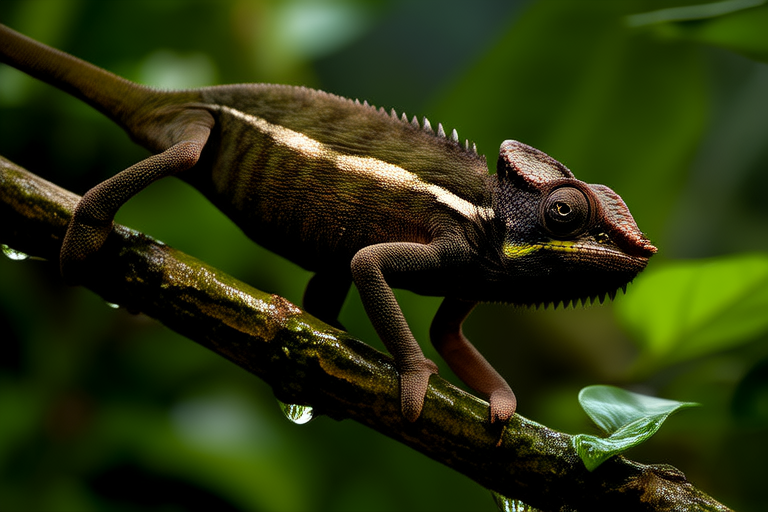
From Jungle to Home: A Journey into the World of Chameleon Care
Chameleons are one of the most fascinating creatures in the animal kingdom. Known for their ability to change color, these reptiles have captivated humans for centuries. With over 200 species, chameleons are found in diverse habitats across Africa, Madagascar, and parts of Asia. Their unique features include independently rotating eyes, prehensile tails, and specialized feet designed for gripping branches. This article delves into the world of chameleon care, offering insights for both novice and seasoned reptile enthusiasts.
The Appeal of Chameleons as Pets
Choosing a chameleon as a pet is a significant decision. These animals are not only beautiful but also intriguing due to their distinctive behaviors and physical attributes. Unlike many other pets, chameleons require specific care to thrive, making them ideal for those willing to invest time and effort into understanding their needs.
Setting Up the Perfect Habitat
A well-designed enclosure is crucial for the health and happiness of your chameleon. The size of the enclosure depends on the species, but generally, larger is better. For example, a full-grown veiled chameleon requires at least a 4-foot by 3-foot by 5-foot enclosure. Ensure there are plenty of branches for climbing and perching.
Temperature and lighting are vital. Chameleons need a basking spot that reaches between 90-100°F during the day, while the cooler side of the enclosure should be around 75-80°F. Use a digital thermometer to monitor temperatures accurately. UVB lighting is essential for calcium absorption and overall health. A 10% UVB bulb placed within 12-18 inches of the basking spot works well. Replace the bulb every six months to ensure it remains effective.
Dietary Requirements and Feeding Techniques
Chameleons are insectivores, meaning their diet consists primarily of insects. Common feeder insects include crickets, dubia roaches, and silkworms. It’s important to gut-load these insects with nutrient-rich foods before feeding them to your chameleon. Dusting the insects with a calcium supplement helps prevent metabolic bone disease. Vitamins can also be added to the diet, but use them sparingly.
Feeding methods vary. Some chameleons will eat from your hand, while others prefer food placed on branches or in bowls. Ensure the insects are appropriately sized for your chameleon; too large, and they may cause injury.
Common Health Issues and Veterinary Care
Despite proper care, chameleons can still face health issues. Metabolic bone disease is prevalent, often caused by insufficient calcium or vitamin D3. Signs include swollen limbs, difficulty moving, and lethargy. Respiratory infections can occur if the enclosure is too humid or dirty. Symptoms include wheezing, discharge from the nostrils, and labored breathing.
Veterinary care is essential. Find a vet experienced with reptiles. Regular check-ups help catch issues early, improving treatment outcomes. Always quarantine new chameleons to prevent the spread of diseases.
Handling and Bonding with Your Chameleon
Chameleons are not typically handled like other pets, but gentle interactions can build trust. Start by allowing your chameleon to become accustomed to your presence. Speak softly and move slowly near its enclosure. Once comfortable, you can attempt gentle handling, ensuring you support its body fully and avoid stress.
Bonding takes time and patience. Offer treats and engage in positive reinforcement. Over time, your chameleon may learn to associate you with good experiences, enhancing your bond.
The Commitment of Responsible Ownership
Owning a chameleon requires dedication. They have specific environmental needs, dietary requirements, and healthcare considerations. Before committing, research thoroughly and prepare adequately. Remember, a chameleon’s lifespan can range from 5 to 10 years, so this is a long-term responsibility.
With the right care and attention, chameleons can make wonderful companions. Their unique behaviors and striking appearance offer endless fascination. By providing a suitable environment and attentive care, you can enjoy a rewarding relationship with these captivating creatures.
