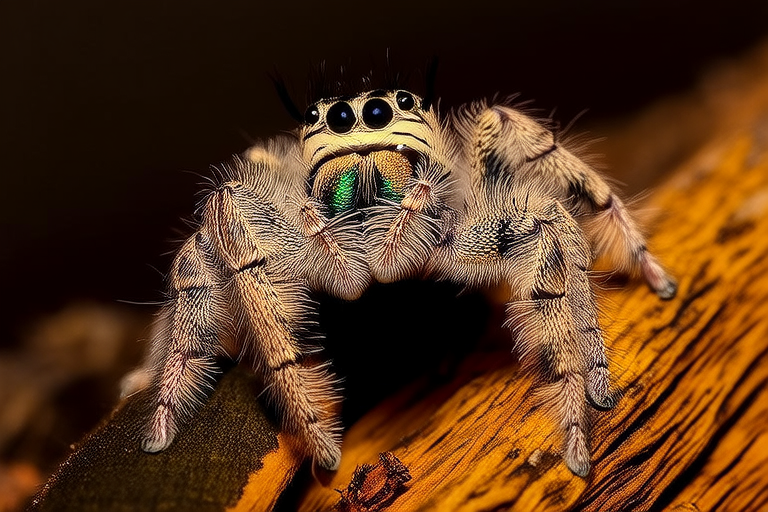
Tarantula Trivia: Fun and Fascinating Insights into These Spiders
Welcome, spider enthusiasts! Today, we’re diving deep into the world of tarantulas. These fascinating creatures have captured imaginations for centuries, but how much do you really know about them? From their peculiar behaviors to their unique habitats, there’s a lot more to these spiders than meets the eye. So, let’s embark on a journey through some fun and fascinating tarantula trivia.
The Basics: What is a Tarantula?
First things first, what exactly is a tarantula? Tarantulas belong to the family Theraphosidae, which consists of over 900 species worldwide. They are large, hairy spiders known for their impressive size and distinct appearance. Tarantulas can be found in diverse environments, from tropical rainforests to arid deserts. Their name comes from the Italian city of Taranto, where people believed a bite from this spider would cause a dance known as the tarantella. However, modern science has debunked this myth, revealing that tarantulas are generally harmless to humans.
Habitats and Distribution
Tarantulas have adapted to a wide range of habitats, making them one of the most versatile spider species. They can thrive in various ecosystems, including forests, grasslands, and even deserts. Some species, like the Mexican red-knee tarantula, prefer dry, rocky areas, while others, such as the Brazilian giant white knee tarantula, are at home in lush, humid jungles. Despite their diverse habitats, all tarantulas share one common trait: they are ground-dwelling spiders. Many species build burrows, which they use as homes and hunting grounds. These burrows are often lined with silk and can be several feet deep, providing protection from predators and harsh weather conditions.
Behavioral Traits
Tarantulas exhibit a variety of interesting behaviors that set them apart from other spiders. One of the most notable is their defensive posture. When threatened, tarantulas will rear up on their hind legs, displaying their fangs and hairy bodies in an attempt to intimidate potential predators. This behavior is often accompanied by the release of urticating hairs from their abdomen, which can cause irritation or allergic reactions in animals that come into contact with them. Another fascinating behavior is their ability to regenerate lost limbs. If a tarantula loses a leg, it can regrow it during its next molt, a process that occurs throughout their lifetime.
Diet and Feeding Habits
Tarantulas are carnivorous creatures with a diet that primarily consists of insects, small mammals, and even other spiders. Their hunting techniques vary depending on the species. Some tarantulas are ambush predators, lying in wait for unsuspecting prey near their burrows. Others actively hunt, using their powerful legs and sharp fangs to capture and subdue their victims. Once they’ve caught their prey, tarantulas inject venom to immobilize it before consuming it. While their venom is potent enough to kill small animals, it is generally not harmful to humans. In fact, many tarantulas have been used in medical research due to the potential benefits of their venom.
Myths and Misconceptions
Despite their intriguing nature, tarantulas are often misunderstood. One of the most common misconceptions is that they are aggressive and dangerous to humans. In reality, tarantulas are shy creatures that will only attack if provoked. Their venom is not deadly to humans, and their bites are typically no worse than a bee sting. Another myth is that tarantulas are blind. While it’s true that their eyesight is not as acute as that of some other animals, tarantulas have excellent senses of touch and vibration, allowing them to detect movement and navigate their surroundings effectively.
Surprising Trivia
Did you know that tarantulas can live for up to 30 years? That’s a remarkable lifespan for a spider! Their longevity is attributed to their slow metabolism and ability to survive on limited resources. Another surprising fact is that tarantulas can produce sounds. Some species, particularly those from the genus Avicularia, have specialized structures on their abdomens that vibrate against the substrate, creating a clicking noise. This sound is thought to serve as a form of communication between individuals or as a defense mechanism against predators. Additionally, female tarantulas can lay up to 1,000 eggs at a time, showcasing their incredible reproductive capabilities.
Conservation Status
While tarantulas may seem abundant in certain regions, many species face threats to their survival. Habitat destruction, climate change, and illegal pet trade are among the challenges these spiders face. Conservation efforts are underway to protect tarantulas and their habitats. Organizations and researchers are working together to raise awareness about the importance of preserving these unique creatures and their ecosystems. By supporting conservation initiatives and promoting responsible pet ownership, we can help ensure the survival of tarantulas for future generations.
Conclusion
Tarantulas are truly fascinating creatures with a wealth of interesting traits and behaviors. From their diverse habitats to their impressive lifespans, these spiders offer endless opportunities for discovery and wonder. By understanding and appreciating tarantulas, we can foster a greater respect for these remarkable animals and the ecosystems they inhabit. So, the next time you encounter a tarantula, take a moment to admire its beauty and complexity. Who knows, you might just find yourself becoming a tarantula enthusiast too!
