Parrot Fish Secrets: How These Vibrant Swimmers Shape Coral Reefs
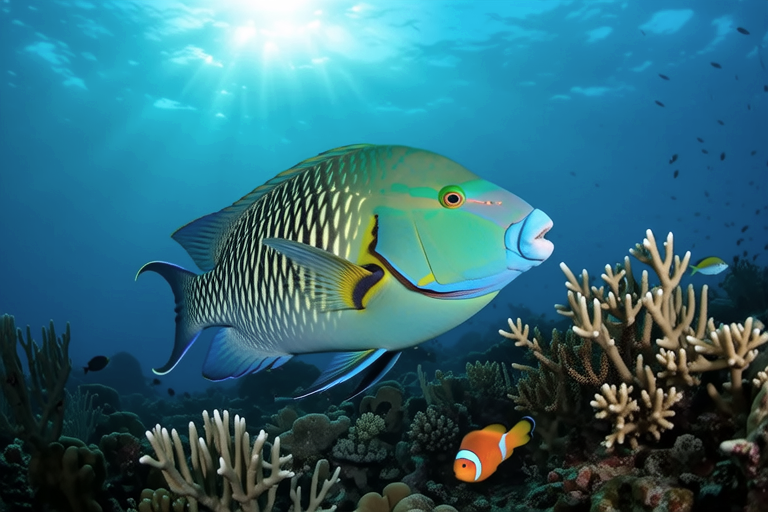
In the sun-drenched waters of tropical oceans, where sunlight dances through crystal-clear waves and coral reefs shimmer like underwater cities, one creature stands out—not just for its dazzling colors but for its extraordinary role in maintaining the very lifeblood of these fragile ecosystems. Meet the parrotfish: a fish that looks like it stepped out of a fantasy novel with its electric blues, fiery reds, neon greens, and iridescent patterns. But beyond their jaw-dropping appearance lies a powerful ecological force—one that shapes entire reef systems, builds beaches, and helps fight climate change’s relentless tide.
These vibrant swimmers are more than just eye candy; they are nature’s master landscapers, architects of marine balance, and silent guardians of coral reef survival. Their feeding habits, digestive processes, and sheer numbers make them indispensable to ocean health. Without them, coral reefs—already under siege from warming seas, pollution, and overfishing—could face collapse. Understanding the parrotfish isn’t just about admiring a beautiful fish; it’s about recognizing a keystone species whose actions ripple across entire ecosystems.
The Bite That Keeps Reefs Alive
At first glance, the idea that a fish could eat coral seems counterintuitive—after all, coral is the foundation of reef structure. But here’s the secret: parrotfish don’t consume coral for its nutrients. Instead, they bite off chunks of dead or live coral not because they’re hungry for calcium carbonate, but because they’re after the algae growing inside and on the surface of the reef.
Using their beak-like mouths—formed from fused teeth that resemble a parrot’s bill—parrotfish scrape algae from coral skeletons with astonishing precision. This process, known as bioerosion, is essential. Algae, when left unchecked, can smother corals, blocking sunlight and preventing photosynthesis by the symbiotic algae (zooxanthellae) living within coral tissues. When algae overgrow, corals starve, weaken, and eventually die—a phenomenon known as algal dominance, which can trigger reef degradation.
By grazing on this algae, parrotfish keep it in check. In doing so, they create space for new coral polyps to settle and grow. Think of them as reef gardeners: constantly pruning, clearing, and preparing the stage for new life. Research shows that healthy parrotfish populations can reduce algal cover by up to 50% in some reef zones, significantly increasing the chances of coral recovery after bleaching events or storms.
And this isn’t a passive habit—it’s an active, continuous effort. A single large parrotfish can consume up to 40 kilograms of coral per year. Multiply that by thousands of individuals across a reef system, and you begin to grasp their immense impact. They are the primary biological force keeping reefs from being overtaken by weeds.
From Reef to Beach: The Sand-Making Miracle
But the parrotfish’s magic doesn’t end at algae control. There’s another astonishing transformation happening inside their bodies—one that literally reshapes the Earth’s surface.
After biting off coral, the parrotfish swallow the material whole. Inside their gut, powerful muscles grind the hard coral skeleton into fine particles. The digestible parts—mainly the algae—are broken down and absorbed. The indigestible calcium carbonate remains, now reduced to microscopic grains. After passing through the digestive tract, this material is excreted as sand—pure, white, and remarkably fine.
One study estimated that a single green parrotfish can produce up to 800 pounds (about 360 kilograms) of sand annually. Over time, millions of parrotfish working together contribute to the formation of vast stretches of tropical beaches. In places like the Caribbean and the Maldives, up to 90% of the sand on popular shores may come from parrotfish feces.
This process isn’t just poetic—it’s practical. Beaches built from parrotfish sand are stable, well-drained, and resilient to erosion. They provide critical habitat for shorebirds, turtles, and other coastal species. Moreover, they help buffer coastlines against storm surges and rising sea levels, offering natural protection for human communities.
Imagine a beach made entirely of fish poop—sounds absurd, yet it’s true. The parrotfish turns what many see as waste into one of nature’s most valuable resources: pristine, white sand. It’s a perfect example of how ecosystems recycle and repurpose materials in ways humans still struggle to replicate.
Reef Resilience in a Changing Climate
As climate change accelerates, coral reefs face unprecedented threats. Rising sea temperatures cause widespread coral bleaching—when stressed corals expel their vital symbiotic algae, turning ghostly white and often dying if conditions don’t improve. Ocean acidification weakens coral skeletons, making them more vulnerable to erosion. And human activities like overfishing, pollution, and coastal development further destabilize reef systems.
In this turbulent environment, parrotfish become even more crucial. Their ability to prevent algal overgrowth gives reefs a fighting chance. When a reef recovers from bleaching, the presence of healthy parrotfish populations dramatically increases the odds of successful coral reestablishment. Without them, algae take over, locking the reef into a degraded state.
Scientists have documented cases where reefs protected from fishing saw a resurgence in parrotfish numbers—and in turn, experienced faster coral recovery. One landmark study in Bonaire, Netherlands Antilles, found that reefs with intact parrotfish populations recovered 70% faster after bleaching than those without. This resilience isn’t accidental; it’s engineered by the parrotfish’s constant grazing and reef-cleaning behavior.
Even more compelling is the evidence linking parrotfish abundance to reduced need for costly artificial reef restoration. By naturally maintaining reef health, these fish act as living infrastructure—free, self-repairing, and endlessly adaptive. Investing in parrotfish conservation, therefore, isn’t just protecting a species—it’s investing in ecosystem-level insurance against environmental collapse.
A Hidden Threat: Why Parrotfish Are Under Siege
Despite their importance, parrotfish are among the most threatened marine animals in tropical regions. They are heavily targeted by commercial and recreational fisheries, prized for their firm, flavorful flesh. In many areas, they are caught using destructive methods like spearfishing and gillnets, which damage reef habitats and often result in high bycatch.
Moreover, parrotfish are often overlooked in marine conservation policies. Unlike sharks or sea turtles, they don’t command the same public attention. Yet their decline has profound consequences. Where parrotfish disappear, reefs quickly degrade. Studies in Hawaii, Florida, and the Great Barrier Reef show that overfishing parrotfish leads directly to algal blooms, reduced coral recruitment, and ultimately, reef death.
Another lesser-known danger is the timing of their vulnerability. Many parrotfish species undergo sex changes during their lifetimes—starting as females and later transforming into males. This complex life history makes them especially sensitive to population disruption. Removing too many mature males can skew sex ratios, reducing reproduction rates and slowing recovery efforts.
Even seemingly benign practices like tourism can harm them. Snorkelers and divers sometimes approach parrotfish too closely, disturbing their feeding patterns. While individual interactions may seem harmless, repeated stress can alter behavior and reduce feeding efficiency—slowly undermining their ecological role.
Protecting the Guardians: What We Can Do
The good news? We have the power to protect parrotfish—and by extension, the reefs they sustain. Conservation isn’t just about banning fishing; it’s about smarter, science-based management that recognizes the value of every species in the web of life.
One effective strategy is establishing no-take marine protected areas (MPAs), where fishing is strictly prohibited. Research consistently shows that MPAs with healthy parrotfish populations experience greater reef resilience, higher biodiversity, and improved fish stocks overall. In places like Palau and the Chagos Archipelago, such protections have led to dramatic rebounds in parrotfish numbers and reef health.
Supporting sustainable seafood choices also matters. Consumers can avoid dishes labeled “parrotfish” or “grunts” in restaurants and markets, especially in tropical destinations. Governments and restaurants should promote alternatives and educate customers about the ecological cost of eating these fish.
Finally, raising awareness is key. The parrotfish is not just a colorful fish—it’s a vital component of a global ecological system. Schools, aquariums, documentaries, and social media campaigns can spotlight their role, turning public fascination into protective action. When people understand that a fish’s poop builds their favorite beach, they’re more likely to care.
Conclusion: The Ripple Effect of a Single Fish
The next time you stand on a white-sand beach under a blazing sun, remember: much of that sand was once part of a coral reef, chewed, digested, and pooped out by a parrotfish. That same fish, with its brilliant plumage and beak-like mouth, played a crucial role in keeping that reef alive—by eating algae, preventing collapse, and helping the reef rebuild after disaster.
Parrotfish are more than just beautiful creatures—they are silent engineers, ecological stewards, and climate allies. Their story reminds us that even the smallest or most unexpected species can hold the key to planetary health. Protecting them isn’t just about saving a fish; it’s about safeguarding entire ecosystems, preserving beaches, and ensuring the future of our oceans.
So the next time you see a parrotfish gliding through the water—its scales flashing like jewels—don’t just admire it. Recognize it as a guardian, a builder, and a symbol of nature’s intricate balance. Because in the grand tapestry of life, the fate of the reef depends not on a single hero, but on the quiet, persistent work of countless unseen hands. And in the case of the parrotfish, those hands are shaped like beaks, and their legacy is written in sand.
