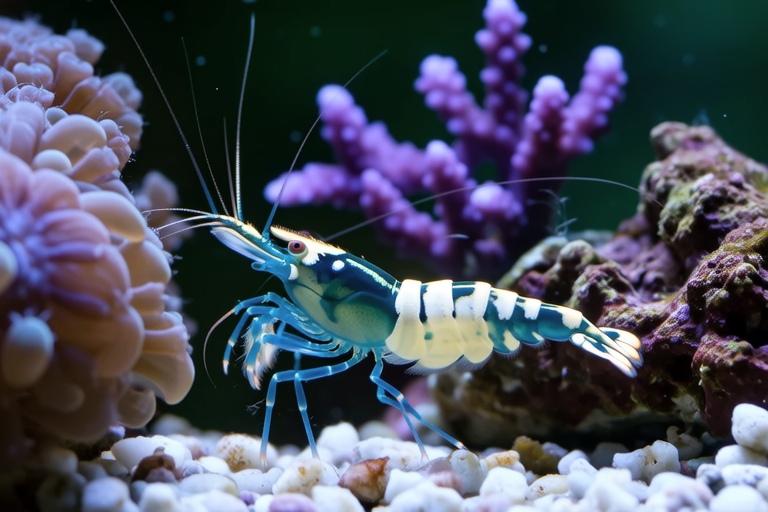
Debunking Common Myths About Coral Shrimp: Ensuring Optimal Health
Coral shrimp, with their vibrant colors and intriguing behaviors, have become increasingly popular among aquarium enthusiasts. These tiny crustaceans add a splash of color and life to any marine or reef tank. However, their delicate nature and specific care requirements often lead to misunderstandings and myths that can harm their health if believed by pet owners. This article aims to debunk seven common myths about coral shrimp, providing scientifically accurate information to ensure these beautiful creatures thrive in their new homes.
Myth 1: Coral Shrimp Can Thrive in Any Water Conditions
What the Myth Is: Some believe that coral shrimp can adapt to any water conditions, making them easy to care for.
Why It’s Harmful: This belief can lead to inadequate water quality management, which is crucial for the health of coral shrimp. Poor water conditions can cause stress, disease, and even death.
Scientifically Accurate Information: Coral shrimp require stable water parameters, including temperature (between 75°F and 82°F), pH levels between 8.1 and 8.4, and salinity of approximately 1.023 to 1.026. Regular water changes and monitoring of these parameters are essential for their well-being.
Myth 2: Coral Shrimp Do Not Need a Varied Diet
What the Myth Is: There’s a misconception that coral shrimp will survive on just one type of food.
Why It’s Harmful: A monotonous diet can lead to malnutrition and deficiencies, affecting their growth, reproduction, and overall health.
Scientifically Accurate Information: Coral shrimp benefit from a varied diet that includes algae, small fish, and various frozen or live foods. Supplementing their diet with vitamin-rich foods can enhance their health and longevity.
Myth 3: Coral Shrimp Are Completely Harmless to Other Tank Inhabitants
What the Myth Is: Many think coral shrimp are entirely peaceful and pose no threat to other aquarium inhabitants.
Why It’s Harmful: Believing this can result in inappropriate tank mates, leading to conflicts and stress for both the shrimp and other species.
Scientifically Accurate Information: While coral shrimp are generally peaceful, they may prey on small fish, snails, and even smaller shrimp. Careful selection of tank mates is necessary to ensure a harmonious environment.
Myth 4: Coral Shrimp Can Survive Without Proper Hiding Places
What the Myth Is: Some owners assume coral shrimp don’t need hiding places as they are active during the day.
Why It’s Harmful: Lack of hiding spots can cause chronic stress, affecting their immune system and reproductive health.
Scientifically Accurate Information: Providing ample hiding places is crucial for coral shrimp. They need secure areas to retreat to, especially during times of stress or when molting. Incorporating caves, rock structures, and plants can offer the necessary shelter.
Myth 5: Coral Shrimp Do Not Need Regular Water Changes
What the Myth Is: There’s a belief that coral shrimp can handle poor water quality without issues.
Why It’s Harmful: Neglecting regular water changes can lead to toxic ammonia and nitrite levels, causing severe health problems.
Scientifically Accurate Information: Regular water changes, typically 10-20% weekly, help maintain water quality and prevent the buildup of toxins. This practice supports the long-term health of your coral shrimp.
Myth 6: Coral Shrimp Are Easy to Breed
What the Myth Is: Some believe breeding coral shrimp is straightforward and requires minimal effort.
Why It’s Harmful: Misconceptions about breeding can lead to unsuitable conditions, resulting in low survival rates of offspring.
Scientifically Accurate Information: Breeding coral shrimp successfully requires specific conditions, including ideal water parameters, appropriate diet, and suitable breeding tanks. Understanding these requirements ensures higher chances of successful breeding.
Myth 7: Coral Shrimp Are Immune to Parasites and Diseases
What the Myth Is: There’s a belief that coral shrimp are naturally resistant to parasites and diseases.
Why It’s Harmful: Ignoring potential health threats can delay treatment, worsening the condition and possibly infecting other tank inhabitants.
Scientifically Accurate Information: Like all living organisms, coral shrimp are susceptible to parasites and diseases. Regular observation and prompt action at the first sign of illness are crucial for their health.
Tips for Optimal Coral Shrimp Care
To ensure the best possible care for your coral shrimp, consider the following tips:
- Maintain optimal water parameters through regular testing and adjustments.
- Provide a balanced and varied diet to support their nutritional needs.
- Select compatible tank mates to prevent conflicts.
- Incorporate hiding places to reduce stress and provide security.
- Perform regular water changes to maintain water quality.
- Research and prepare for breeding if interested in expanding your shrimp population.
- Monitor for signs of illness and consult aquatic specialists for advice.
Responsible pet ownership involves ongoing education and commitment. Stay informed about the latest care practices and be willing to adapt based on your shrimp’s needs. Consider joining online forums or local clubs where you can exchange experiences and learn from fellow enthusiasts.
Call to Action: If you’re unsure about any aspect of coral shrimp care, consult an aquatic specialist. They can provide personalized advice tailored to your specific setup and shrimp population. Continue your learning journey by exploring resources such as books, articles, and reputable forums dedicated to marine and reef aquariums. By staying informed and proactive, you can ensure your coral shrimp thrive in their new home.
