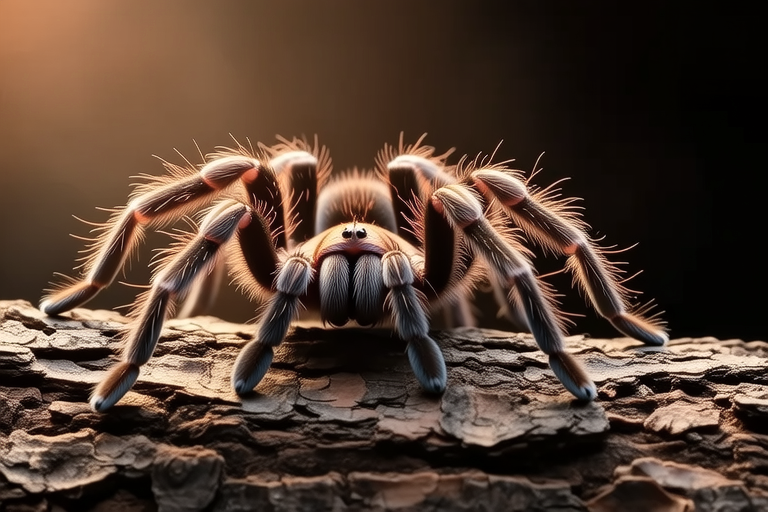
How to Care for Your Pet Tarantula Like a Pro
Welcome to the world of tarantulas! These fascinating arachnids can make wonderful pets for those who appreciate their unique beauty and relatively low-maintenance nature. Whether you’re a seasoned spider enthusiast or a beginner looking to add a tarantula to your family, this guide will help you care for your pet like a pro. We’ll cover essential habitat setup, appropriate diet and feeding schedules, handling tips, health care basics, common myths debunked, and advice on choosing the right tarantula species for beginners.
Essential Habitat Setup
Creating a safe and comfortable environment is crucial for your tarantula’s well-being. Start with an appropriately sized enclosure; a general rule of thumb is one gallon of tank space per inch of tarantula length. For instance, a medium-sized tarantula would need a 10-gallon tank. The enclosure should have a secure lid to prevent escapes and allow for proper ventilation.
Substrate is another important aspect of habitat setup. Many tarantula owners prefer coconut fiber, which retains moisture well and mimics natural habitats. Other options include peat moss or vermiculite. The substrate should be at least three inches deep to allow burrowing and humidity control.
To provide a sense of security, include hiding spots such as cork bark or half logs. Tarantulas are nocturnal creatures that spend most of their time resting in these shelters. Additionally, maintain a temperature range between 75°F and 85°F (24°C to 29°C) and a humidity level around 60% to 80%. Use a thermometer and hygrometer to monitor these conditions accurately.
Appropriate Diet and Feeding Schedules
Tarantulas are carnivorous and require a diet rich in protein. In the wild, they hunt insects like crickets, grasshoppers, and small vertebrates. As pets, they can thrive on a similar diet. Feed your tarantula once or twice a week, depending on its size and appetite. A good rule of thumb is to offer prey items no larger than half the width of the tarantula’s abdomen.
It’s essential to gut-load feeder insects before offering them to your tarantula. This process involves feeding the insects nutritious foods high in vitamins and minerals. Gut-loading can be done by providing them with fresh vegetables, fruits, and commercial insect food. Dusting the insects with calcium and vitamin supplements can also benefit your tarantula’s health.
Remember to remove uneaten prey after 24 hours to prevent contamination. Keep a shallow water dish filled with clean water accessible at all times. Tarantulas drink directly from the surface of the water, so ensure it’s not too deep to avoid accidental drowning.
Handling Tips
While tarantulas can be fascinating to observe, handling should be approached with caution. Most tarantulas are docile and unlikely to attack unless provoked, but they possess urticating hairs that can cause irritation if mishandled. Always wash your hands before and after handling to prevent transferring oils or chemicals to your tarantula.
When handling, gently scoop your tarantula from its enclosure using both hands. Support its body from underneath while avoiding direct contact with its legs or abdomen. Allow your tarantula to crawl onto your hand instead of forcing it. Keep handling sessions short and infrequent, as tarantulas are not social animals and may become stressed with excessive handling.
If you notice any signs of stress, such as rapid leg movements or retraction into its burrow, immediately return your tarantula to its enclosure. It’s best to handle your tarantula only when necessary, like during cage cleaning or when moving it to a new home.
Health Care Basics
Maintaining a healthy tarantula starts with proper husbandry practices. Regularly clean the enclosure by removing waste and replacing the substrate every few months. Monitor your tarantula for signs of illness, such as lethargy, loss of appetite, or abnormal behavior. If you notice any concerning symptoms, consult a veterinarian specializing in exotic animals.
Tarantulas shed their exoskeletons periodically, a process known as molting. During this time, they become vulnerable and may refuse food. Provide a humid environment and avoid disturbing the tarantula until the molt is complete. After molting, the new exoskeleton is soft and susceptible to injury, so handle your tarantula carefully during this period.
Preventative care includes regular observation and record-keeping. Maintain a log of feeding schedules, shedding events, and any changes in behavior. This information can be valuable for identifying potential issues early and ensuring your tarantula receives the best possible care.
Common Myths Debunked
There are many misconceptions surrounding tarantulas that can deter potential owners. One common myth is that all tarantulas are aggressive and dangerous. While some species can deliver painful bites, most are generally docile and pose little threat to humans. Another misconception is that tarantulas are difficult to care for. With the right knowledge and resources, tarantulas can be rewarding pets for those willing to learn.
Another myth is that tarantulas are solitary creatures that cannot live together. While tarantulas are not social animals, some species can coexist in the same enclosure under specific conditions. Research the compatibility of different species before considering housing multiple tarantulas together. Lastly, some believe that tarantulas require extensive exercise outside their enclosures. However, tarantulas are adapted to their enclosed environments and do not need additional exercise beyond what they get naturally within their habitat.
Advice on Choosing the Right Tarantula Species for Beginners
Choosing the right tarantula species is crucial for a successful and enjoyable experience. Consider factors such as temperament, size, and care requirements. Some popular beginner-friendly species include the Chilean rose tarantula, Mexican red-knee tarantula, and Brazilian black tarantula.
The Chilean rose tarantula is known for its docile nature and attractive pink markings. It grows to about 5 inches in length and has a lifespan of up to 10 years. The Mexican red-knee tarantula is another excellent choice, featuring vibrant red and black bands on its legs. This species is relatively slow-moving and easy to handle. The Brazilian black tarantula is known for its calm demeanor and dark appearance, making it a striking addition to any collection.
Research each species thoroughly before making a decision. Visit local reptile expos or consult experienced hobbyists for advice. Remember that tarantulas come in various sizes and colors, so choose one that appeals to you and fits your lifestyle. With proper research and preparation, you can find the perfect tarantula companion.
