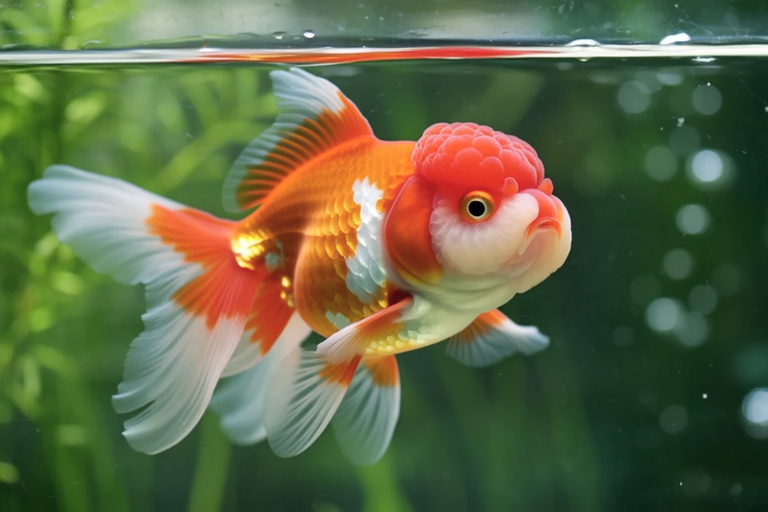
The Hidden World of Goldfish: Debunking Common Myths
Goldfish are often viewed as simple pets, perfect for beginners or as decorative additions to a home. However, these small, colorful fish are far more complex than commonly perceived. They possess remarkable intelligence, require specific environmental conditions, and have dietary needs that are essential for their well-being. This article aims to explore the hidden world of goldfish, debunking common myths and providing insights into their fascinating lives.
More Than Just Decorative Fish
Goldfish are not just passive ornaments floating in tanks; they are intelligent creatures capable of learning and responding to their environment. Their ability to navigate mazes, recognize different people, and even perform tricks demonstrates their cognitive abilities. Understanding these aspects of goldfish can transform our perception of them from mere decorations to sentient beings deserving of proper care and attention.
Debunking the Three-Second Memory Myth
One of the most pervasive myths about goldfish is that they have a three-second memory. This misconception likely stems from their seemingly forgetful behavior when they fail to recall previous interactions or locations within their tank. However, scientific studies have shown that goldfish can remember things for much longer periods. Research conducted at the University of Edinburgh found that goldfish can remember solutions to tasks for up to three months. They can also learn to avoid certain areas in their tank after experiencing negative stimuli, indicating a capacity for associative learning and memory retention.
Tank Sizes and Environmental Requirements
Another common myth is that goldfish can thrive in small bowls or tanks. In reality, goldfish require ample space to swim and grow. A single goldfish should have at least 20 gallons of water, and this requirement increases with each additional fish. Overcrowding leads to poor water quality, stress, and health issues for the fish. It’s important to provide a tank large enough to accommodate their growth and swimming patterns.
Environmental enrichment is crucial for the well-being of goldfish. Adding plants, rocks, and other structures to the tank can stimulate their curiosity and provide hiding spots. These elements create a more natural habitat that mimics their wild environment, reducing stress and promoting healthy behaviors. Additionally, maintaining proper water temperature (around 68-74°F) and pH levels (6.0 to 8.0) ensures that the goldfish remain comfortable and healthy.
Dietary Needs and Intelligence
Goldfish have specific dietary requirements that go beyond the typical flakes found in pet stores. While flake food can be part of their diet, it should be supplemented with pellets, vegetables, and occasional treats like bloodworms or brine shrimp. Feeding them a varied diet rich in nutrients supports their growth and overall health. Overfeeding can lead to obesity and poor water quality, so it’s important to feed them only what they can consume in a few minutes.
Goldfish are intelligent and can be trained to respond to various stimuli. For example, they can be taught to come to the surface when they hear a particular sound or to retrieve food from specific locations. Training sessions not only entertain the owner but also engage the fish mentally, preventing boredom and promoting mental stimulation.
Tips for Enriching Your Goldfish’s Environment
- Interactive Toys: Introduce toys like floating balls or tunnels that encourage exploration and play.
- Feeding Techniques: Use feeding techniques that involve hiding food or using feeding sticks to stimulate their hunting instincts.
- Regular Water Changes: Perform regular water changes to maintain clean and healthy living conditions.
- Visual Stimulation: Place mirrors or reflective objects outside the tank to provide visual interest and reduce aggression.
Signs of a Healthy Goldfish
A healthy goldfish exhibits vibrant colors, active swimming, and clear eyes. They should eat regularly and excrete waste normally. Any signs of lethargy, discoloration, or abnormal behavior may indicate underlying health issues and should prompt immediate attention. Regular check-ups with a veterinarian specializing in aquatic animals can help ensure your goldfish remains in optimal health.
Resources for Further Learning and Conservation
To deepen your understanding of goldfish care and conservation, consider reading books such as “The Truth About Goldfish” by Mary Bailey or exploring websites dedicated to aquarium care. Local aquarium societies often host workshops and seminars that provide valuable insights into goldfish husbandry. Engaging with communities of fellow aquarists through forums and social media groups can also offer support and advice.
Conservation efforts are crucial for preserving the species in their natural habitats. By supporting organizations focused on protecting aquatic ecosystems and participating in local clean-up initiatives, you can contribute to the sustainability of goldfish populations. Additionally, choosing ethically sourced fish and advocating for responsible breeding practices helps prevent overfishing and ensures the long-term survival of these fascinating creatures.
In conclusion, goldfish are more than just decorative pets; they are intelligent, sensitive animals that deserve proper care and respect. By debunking common myths and understanding their true nature, we can provide them with enriched environments that promote their physical and mental well-being. Embracing these insights not only enhances the relationship between humans and goldfish but also fosters a deeper appreciation for these captivating creatures.
