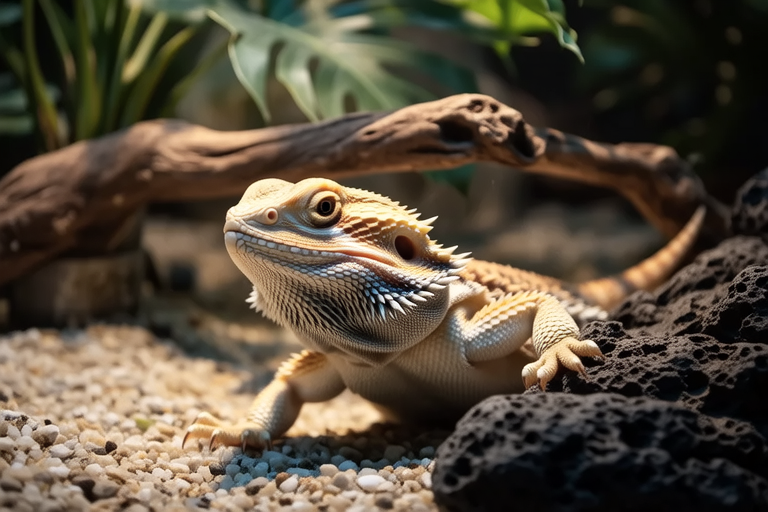
Bearded Dragon Care Mistakes You Didn’t Know You Were Making
Welcome to the fascinating world of bearded dragons! These captivating creatures have become increasingly popular as pets due to their unique appearance and relatively easy care requirements. However, even the most dedicated owners can sometimes overlook important aspects of bearded dragon care. In this article, we will explore some common yet overlooked errors that can negatively impact your pet’s health and happiness. By understanding these mistakes, you’ll be better equipped to provide your bearded dragon with the optimal environment and care it deserves.
Incorrect Feeding Habits
One of the most critical aspects of bearded dragon care is proper nutrition. Many owners unknowingly make mistakes when it comes to feeding their pets, which can lead to serious health issues. One common error is overfeeding. Bearded dragons have small stomachs and do not require large quantities of food at once. Overfeeding can result in obesity, digestive problems, and reduced lifespan. It’s essential to offer适量的食物以避免这些问题。
Another mistake is providing an unbalanced diet. While insects like crickets and dubia roaches are excellent protein sources, they should not form the entire diet. Vegetables and fruits should also be included to ensure your bearded dragon receives all necessary nutrients. A balanced diet typically consists of 80% protein (insects) and 20% vegetables and fruits. Additionally, it’s crucial to dust the insects with calcium and vitamin D3 supplements before feeding them to your dragon. This helps prevent metabolic bone disease, a condition caused by calcium deficiency.
To correct these feeding habits, start by measuring out appropriate portions based on your dragon’s size and age. For adult bearded dragons, offering three to four insects twice a day is usually sufficient. Younger dragons may need more frequent feedings but smaller portions. Always include a variety of vegetables such as collard greens, mustard greens, and squash in their diet. Avoid feeding them iceberg lettuce, spinach, or rhubarb, as these can cause health problems. Lastly, ensure you’re using high-quality calcium and vitamin D3 supplements and follow the manufacturer’s instructions carefully.
Improper Habitat Setup
The habitat in which your bearded dragon lives plays a significant role in its overall health and well-being. Many owners make the mistake of setting up an enclosure that lacks essential elements, leading to stress and illness for their pet. One common oversight is inadequate space. Bearded dragons need room to move around, bask, and explore. A general rule of thumb is to provide at least 4 square feet of space for an adult bearded dragon. Smaller enclosures can cause stress and limit the dragon’s ability to thermoregulate properly.
Another frequent mistake is failing to provide hiding spots and climbing structures. Bearded dragons are naturally curious and enjoy exploring their environment. Without proper hiding spots, they may feel exposed and stressed. Climbing structures allow them to exercise and engage in natural behaviors. Consider adding branches, rocks, and caves to your enclosure. These items not only enhance the aesthetic appeal of the habitat but also promote mental stimulation and physical activity.
To address these issues, start by choosing an appropriately sized enclosure. If you’re unsure, consult with a veterinarian or reptile expert to determine the ideal size for your dragon. Once you’ve selected the right size, focus on creating a stimulating environment. Add multiple hiding spots, including caves and tunnels, to give your dragon privacy and security. Incorporate sturdy branches and rocks for climbing and basking. Make sure all materials are safe and free from sharp edges or toxic substances. Regularly clean and maintain the enclosure to prevent the buildup of bacteria and parasites.
Insufficient Lighting and Temperature Management
Proper lighting and temperature management are crucial for maintaining the health of your bearded dragon. Many owners overlook the importance of UVB lighting, which is essential for calcium absorption and overall bone health. Without adequate UVB exposure, your dragon may develop metabolic bone disease, characterized by soft bones, difficulty moving, and even paralysis. It’s recommended to use a high-quality UVB bulb designed specifically for reptiles and replace it every six months, even if it still appears functional.
In addition to UVB lighting, bearded dragons require a consistent temperature gradient within their enclosure. The basking area should reach temperatures between 95-110°F (35-43°C), while the cooler side of the enclosure should be around 75-85°F (24-29°C). This temperature gradient allows your dragon to regulate its body temperature effectively. Using a thermometer placed on both sides of the enclosure will help monitor these temperatures accurately.
To ensure your bearded dragon receives the necessary UVB exposure and maintains a proper temperature gradient, invest in a reliable UVB bulb and a thermostat-controlled heat lamp. Position the UVB bulb so that it covers the entire basking area, and place the heat lamp directly above the basking spot. Remember to turn off the UVB bulb during nighttime hours to mimic natural day-night cycles. Additionally, consider using ceramic heat emitters or under-tank heaters to maintain stable temperatures overnight.
Hydration Mistakes
Proper hydration is vital for the health of your bearded dragon. Many owners mistakenly believe that their dragon will obtain all the water it needs from its food, but this is not always the case. While some vegetables and fruits contain moisture, it’s essential to provide a separate water source for your dragon to drink from. Dehydration can lead to various health issues, including kidney failure and organ damage.
One common mistake is not providing a shallow water dish. Bearded dragons are not swimmers, so the water dish should be shallow enough for them to easily access without drowning. Change the water daily to prevent bacterial growth and keep the dish clean. Another misconception is misting the enclosure as the sole method of hydration. While misting can help increase humidity levels and encourage drinking, it should not replace the availability of fresh water.
To ensure your bearded dragon stays hydrated, place a shallow water dish in the enclosure and change the water daily. Monitor your dragon’s drinking habits and adjust the size and depth of the dish as needed. Consider misting the enclosure, especially during dry seasons, to increase humidity levels and encourage drinking. However, continue to provide a reliable water source for your dragon to drink from. If you notice signs of dehydration, such as sunken eyes or lethargy, consult a veterinarian immediately.
Misconceptions About Handling and Social Interaction
Many owners assume that bearded dragons are social animals and require frequent handling to bond with their human companions. While bearded dragons can become accustomed to gentle handling, they are not inherently social creatures. Overhandling can cause stress and anxiety, leading to behavioral changes and health issues. It’s essential to understand your dragon’s comfort level and respect its boundaries.
Another misconception is that bearded dragons enjoy being held in the palm of your hand. While some dragons may tolerate this, many prefer to rest on a flat surface or perch. When handling your dragon, always support its body fully and avoid lifting it by its tail or limbs. Gently place your dragon on a stable surface and allow it to acclimate to your presence. Gradually introduce handling sessions, starting with short durations and increasing as your dragon becomes more comfortable.
To foster a positive relationship with your bearded dragon, observe its behavior and respond accordingly. Offer treats and gentle interactions to build trust. Avoid sudden movements or loud noises that may startle your dragon. Respect its personal space and avoid overhandling. With time and patience, your dragon may become more comfortable with regular interactions, but always prioritize its well-being over frequent handling.
Conclusion
By addressing these common yet overlooked mistakes in bearded dragon care, you can significantly improve the health and happiness of your pet. Proper feeding, habitat setup, lighting and temperature management, hydration, and handling practices are all essential for ensuring your bearded dragon thrives. Remember, each dragon is unique, and it’s crucial to tailor your care routine to meet its individual needs. With dedication and attention to detail, you can provide your bearded dragon with a loving home and a long, healthy life.
