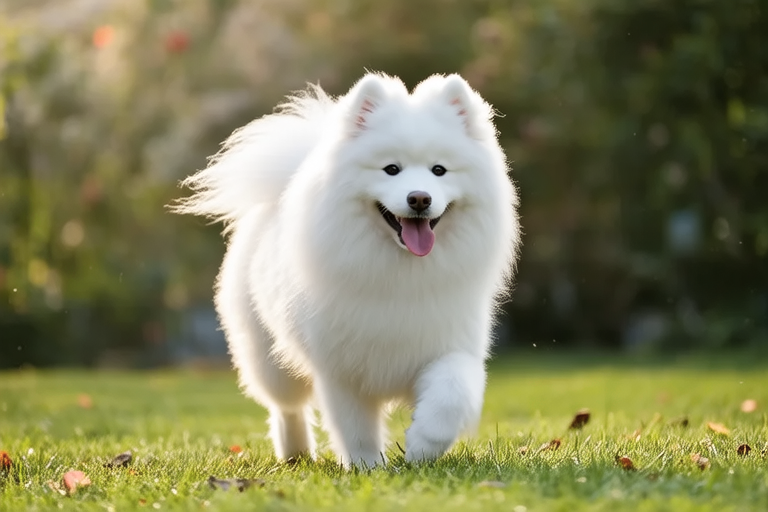
Samoyed Dogs: A Closer Look at Their Playful and Gentle Nature
The Samoyed is a breed of dog that has captured the hearts of many with its striking appearance and gentle demeanor. Known for their fluffy white coats and characteristic smile, these dogs have a rich history that dates back centuries. In this article, we will explore the origins of the Samoyed, delve into their physical characteristics, discuss their temperament and intelligence, and examine their suitability as family pets. Additionally, we will provide insights into their exercise needs, grooming requirements, common health issues, and offer tips for potential owners.
Origin of the Samoyed
The Samoyed breed originates from Siberia, where it was developed by the nomadic Samoyede people. These ancient tribes relied on the dogs for various tasks, including herding reindeer, pulling sleds, and providing warmth during harsh winters. The Samoyed’s loyalty and hardiness made them invaluable companions in this challenging environment. Over time, the breed spread to other parts of the world, gaining recognition for their unique qualities.
Physical Characteristics
Samoyeds are medium-sized dogs known for their striking white double coat. This coat consists of a soft undercoat and a longer, coarse outer coat, which provides excellent insulation against cold weather. Their thick fur gives them a fluffy appearance, and they often have a distinctive ruff around their neck. One of the most recognizable features of the Samoyed is their expressive face, which seems to wear an ever-present smile due to the upward curve of their lips. Their eyes are almond-shaped and typically dark brown, adding to their gentle and friendly expression.
In addition to their coat and facial features, Samoyeds have a sturdy build. They stand between 19 to 21 inches (48 to 53 cm) tall at the shoulder and weigh between 45 to 65 pounds (20 to 29 kg). Males tend to be slightly larger than females. Their muscular bodies and strong legs make them well-suited for activities such as sledding and herding.
Temperament and Intelligence
Samoyeds are renowned for their friendly and gentle nature, making them excellent companions for families. They are known to be affectionate and patient, often forming strong bonds with their human family members. Their playful disposition means they enjoy interactive games and outdoor activities, making them ideal playmates for children. However, their gentle nature also extends to strangers, so early socialization is important to ensure they remain friendly but not overly trusting.
Despite their gentle demeanor, Samoyeds are intelligent dogs. They are quick learners and can be trained effectively with positive reinforcement techniques. However, their independent streak can sometimes make training a bit challenging. Consistency and patience are key when working with Samoyeds, as they may test boundaries and require clear leadership. Nonetheless, their desire to please their owners makes them responsive to training when approached correctly.
Suitability as Family Pets
Samoyeds are generally well-suited as family pets, thanks to their friendly and gentle nature. They are highly adaptable and can thrive in various living situations, from apartments to large homes with spacious yards. Their loyalty and protective instincts mean they will form close bonds with all family members, including children and other pets. However, it is important to note that their high energy levels and need for mental stimulation require regular exercise and engagement to prevent boredom and destructive behavior.
Samoyeds are particularly good with children because of their playful and patient nature. They are gentle and tolerant, which makes them ideal companions for young kids. However, supervision is always recommended to ensure safe interactions between dogs and children. Additionally, Samoyeds can get along well with other animals, especially if introduced at an early age. Early socialization is crucial to help them develop positive relationships with other pets.
Exercise Needs
Samoyeds are active dogs that require regular exercise to maintain their physical and mental well-being. They have a strong working heritage, which means they thrive on activities that engage both their body and mind. Daily walks, runs, and play sessions are essential to keep them healthy and happy. Without sufficient exercise, Samoyeds may become restless and exhibit behaviors such as excessive barking or chewing.
While they enjoy outdoor activities, it is important to be mindful of their thick coats, especially in warmer climates. Excessive heat can cause discomfort and even overheating. Therefore, it is advisable to limit their exposure to extreme temperatures and provide them with plenty of shade and water during hot weather. Swimming can also be a great way to cool off and provide additional exercise for Samoyeds.
Grooming Requirements
Due to their thick double coat, Samoyeds require regular grooming to maintain their appearance and prevent matting. Weekly brushing is necessary to remove loose hair and distribute natural oils throughout the coat. During shedding seasons, which typically occur twice a year, more frequent brushing may be required to manage the amount of fur they release. Bathing should be done sparingly, as over-bathing can strip the coat of its natural oils and lead to skin problems.
In addition to coat care, Samoyeds also need regular nail trimming, ear cleaning, and dental hygiene. Their nails should be trimmed every few weeks to prevent overgrowth, which can cause discomfort and difficulty walking. Regular ear cleaning helps prevent infections, while dental care, including brushing their teeth and providing chew toys, promotes oral health.
Common Health Issues
Like all breeds, Samoyeds are prone to certain health issues. Some of the most common conditions include hip dysplasia, elbow dysplasia, and progressive retinal atrophy. Hip dysplasia is a genetic disorder that affects the hip joint, leading to pain and mobility issues. Elbow dysplasia similarly affects the elbow joint and can cause discomfort and lameness. Progressive retinal atrophy is a degenerative eye condition that can result in vision loss.
Regular veterinary check-ups and a balanced diet can help mitigate some of these risks. Maintaining a healthy weight and providing appropriate exercise are also important factors in preventing joint-related issues. Genetic testing and responsible breeding practices can further reduce the likelihood of inherited diseases.
Why Samoyeds Are Known for Their Playful and Gentle Nature
The playful and gentle nature of Samoyeds can be attributed to their historical role as working dogs. Originally bred to herd reindeer and pull sleds, Samoyeds were valued for their ability to work harmoniously with their handlers and other animals. This collaborative spirit translated into a friendly and cooperative attitude toward humans. Their gentle nature also stems from their close relationship with the Samoyede people, who treated the dogs as valuable companions rather than mere working animals.
Moreover, Samoyeds are highly social dogs that thrive on interaction and attention. Their desire to please their owners and participate in family activities contributes to their playful and gentle demeanor. Their intelligence and adaptability make them capable of learning new tricks and engaging in various games, further enhancing their playful nature.
Tips for Potential Owners
If you are considering bringing a Samoyed into your home, there are several things to keep in mind:
- Exercise and Mental Stimulation: Ensure your Samoyed gets plenty of daily exercise and mental stimulation to prevent boredom and destructive behavior. Interactive toys, puzzle feeders, and obedience training can help keep them engaged.
- Grooming: Be prepared for regular grooming, especially during shedding seasons. Invest in quality brushes and establish a routine to maintain their coat.
- Training: Use positive reinforcement techniques and be consistent in your training approach. Patience and consistency are key when working with Samoyeds.
- Socialization: Socialize your Samoyed from an early age to ensure they are comfortable around different people, animals, and environments.
- Veterinary Care: Schedule regular veterinary check-ups and adhere to a vaccination schedule. Monitor your dog for any signs of health issues and address them promptly.
By following these tips and providing your Samoyed with love, attention, and proper care, you can ensure a happy and fulfilling life for both you and your furry companion.
Conclusion
Samoyed dogs are truly remarkable animals with a rich history and endearing qualities. Their playful and gentle nature, combined with their striking appearance, makes them popular among dog lovers. Whether you are considering adopting a Samoyed or simply admire the breed, understanding their origins, physical characteristics, temperament, and care requirements can help you appreciate these wonderful dogs even more. With the right care and attention, Samoyeds can bring joy and companionship to any household, making them cherished members of the family.
