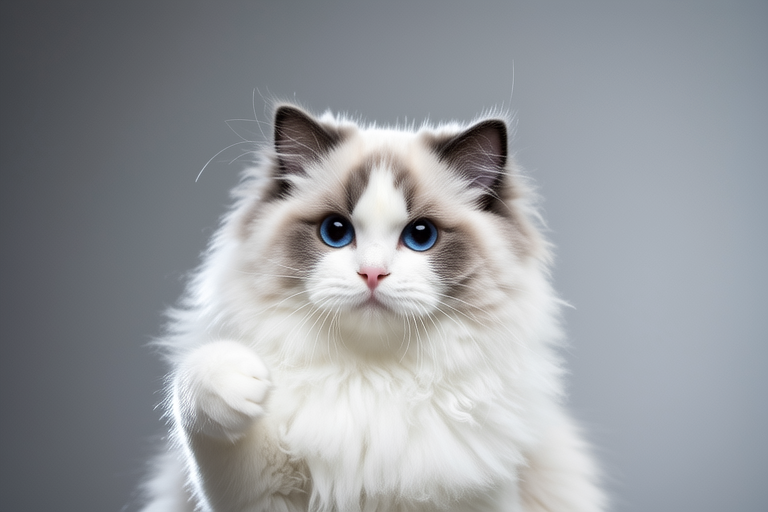
Say Hello to Your New Best Friend: Raising Happy and Healthy Scottish Folds
Welcome to the world of Scottish Fold cats! These charming felines have captured the hearts of many cat lovers with their distinctive folded ears and affectionate personalities. If you’re considering adopting a Scottish Fold or already have one as part of your family, this guide will provide you with all the information you need to raise a happy and healthy pet. From understanding their unique physical traits to addressing common health concerns, we’ll cover everything you need to know about these delightful creatures.
Introduction to Scottish Folds
The Scottish Fold is a breed of domestic cat known for its distinctively folded ears. This genetic mutation causes the ear cartilage to fold forward and downward, giving the cat an appearance that some liken to an owl. The breed was first discovered in Scotland in the mid-20th century when a barn cat named Susie gave birth to a litter with one kitten having folded ears. This kitten, named Snooks, was the ancestor of today’s Scottish Fold cats.
Scottish Folds come in various colors and patterns, but they are all characterized by their soft, medium-sized bodies and expressive faces. Their round eyes and slightly flattened faces give them a sweet, innocent look that many find irresistible. They are known for their friendly, adaptable nature and their ability to get along well with other pets and people.
Unique Physical Traits
The most striking feature of Scottish Folds is, of course, their folded ears. However, there are other notable physical characteristics that set them apart from other breeds. Their medium-length coats can be either straight or slightly curly, and they require regular grooming to keep their fur healthy and free from mats. Their compact, muscular bodies are supported by sturdy legs, making them agile and playful despite their somewhat stocky appearance.
Scottish Folds are also known for their expressive tails, which they often carry high and use to communicate their moods. When relaxed, their tails may curve gently, while when excited or playful, they might flick or wave energetically. Their large, round eyes add to their overall charm and make them appear perpetually curious and alert.
Common Health Concerns
While Scottish Folds are generally healthy cats, there are some specific health concerns associated with the breed due to their unique genetic makeup. One of the most significant issues is osteochondrodysplasia, a condition affecting the bones and joints. This condition can lead to arthritis and other joint problems, particularly in older cats. Regular veterinary check-ups are essential to monitor your cat’s joint health and catch any issues early.
Another concern is the potential for ear infections due to the folded ears. The shape of their ears can trap moisture and debris, increasing the risk of infections. It’s important to clean their ears regularly and seek veterinary care if you notice any signs of discomfort or discharge.
Proper Nutrition
Nutrition plays a crucial role in maintaining your Scottish Fold’s health and happiness. A balanced diet rich in protein, vitamins, and minerals is essential for their growth and overall well-being. High-quality commercial cat food formulated for your cat’s life stage (kitten, adult, or senior) is usually sufficient, but you can also supplement their diet with occasional treats or fresh ingredients like cooked chicken or fish. Always consult with your veterinarian before making any changes to your cat’s diet.
Ensure your cat has access to fresh water at all times. Hydration is vital for maintaining kidney function and overall health. Some cats prefer running water, so consider investing in a pet water fountain to encourage drinking.
Grooming
Regular grooming is necessary to keep your Scottish Fold looking and feeling its best. Their medium-length coats require brushing at least once a week to prevent matting and hairballs. Use a soft-bristled brush or a slicker brush to remove loose fur and distribute natural oils throughout the coat. During shedding seasons, you may need to increase the frequency of grooming to help manage excess hair.
In addition to brushing, it’s important to clean your cat’s ears and trim their nails regularly. Use a gentle ear cleaner and cotton balls to remove any dirt or debris from inside the ears. Trim your cat’s nails every few weeks to prevent overgrowth and potential scratching damage.
Exercise and Socialization
Despite their relatively sedentary appearance, Scottish Folds enjoy playtime and mental stimulation. Interactive toys, such as wand toys or laser pointers, can engage their minds and keep them active. Puzzle feeders are another excellent way to stimulate their problem-solving skills while providing entertainment. Rotate toys periodically to maintain interest and excitement.
Scottish Folds are social animals and thrive in environments where they receive attention and affection. Spend time playing with your cat each day, and provide opportunities for interaction with family members or other pets. Positive reinforcement training can also strengthen the bond between you and your cat. Reward good behavior with treats, praise, or playtime to encourage desirable actions.
Creating a Safe and Stimulating Environment
Your home should be a safe and stimulating environment for your Scottish Fold. Cat-proof your living space by securing loose wires, covering electrical outlets, and ensuring that small objects are out of reach. Install secure window screens or restrict access to windows to prevent falls. Provide climbing structures, such as cat trees or shelves, to satisfy their natural desire to explore and perch.
Create designated spaces for sleeping, eating, and using the litter box. Choose a quiet area for the litter box away from high-traffic areas and near a source of water. Place comfortable beds in cozy corners where your cat can retreat for rest and relaxation. Consider adding scratching posts to give your cat an outlet for claw maintenance and marking territory.
Training and Handling Behavioral Issues
Positive reinforcement is key when training your Scottish Fold. Reward desired behaviors with treats, praise, or playtime to encourage repetition. Consistency is important; ensure all family members use the same commands and rewards to avoid confusion.
If your cat exhibits behavioral issues, such as aggression, inappropriate elimination, or excessive meowing, it’s important to address the root cause rather than simply punishing the behavior. Consult with a veterinarian or a professional animal behaviorist for guidance tailored to your specific situation. Patience and understanding are crucial during the training process.
The Rewarding Companionship of Scottish Folds
Raising a Scottish Fold is a rewarding experience that brings joy and companionship into your life. These affectionate cats form strong bonds with their human families and offer unconditional love and loyalty. By providing proper care, attention, and enrichment, you can ensure that your Scottish Fold lives a long, healthy, and fulfilling life.
Embrace the unique qualities of your Scottish Fold and cherish the moments spent together. Whether lounging on the couch, playing games, or simply enjoying each other’s company, your relationship with your cat will bring countless smiles and heartwarming memories. Remember, a happy cat makes for a happy owner!
