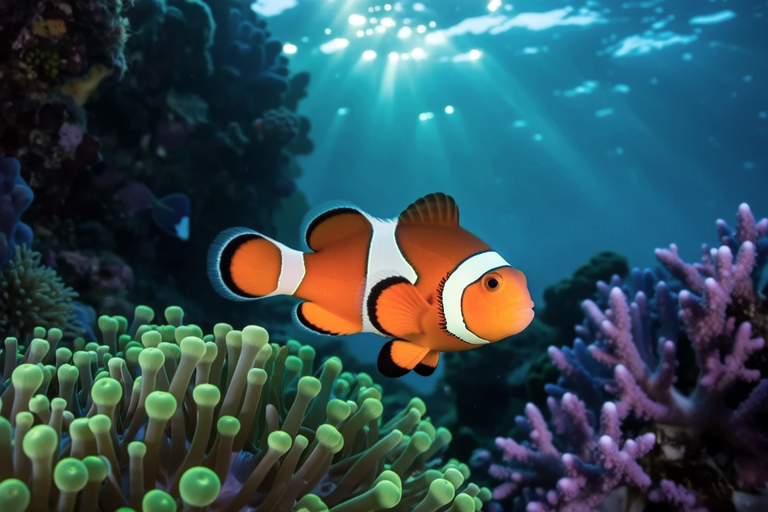
How to Care for Your Clownfish: A Complete Guide for Beginners
Welcome to the wonderful world of clownfish care! This guide will walk you through everything you need to know to ensure your clownfish thrive in their new home. From setting up the perfect tank to understanding their dietary needs and common health issues, this comprehensive guide will provide all the information you need to become a successful clownfish keeper.
Selecting the Right Tank Setup
The first step in caring for your clownfish is creating the right tank setup. Clownfish require a minimum tank size of 30 gallons, but larger tanks are always better as they allow more swimming space and help maintain stable water conditions. The tank should be equipped with a quality filter that can handle the volume of water while providing gentle water movement. Avoid overly strong currents that might stress the fish.
In addition to filtration, clownfish need hiding spots. These can be provided by live rock, caves, or artificial decorations. Live rock not only offers shelter but also contributes to biological filtration, helping to keep the water clean. Make sure to arrange the tank in such a way that there are multiple hiding spots and open swimming areas.
Substrate choice is also important. Fine-grained sand is ideal because it mimics the natural environment of clownfish. Avoid sharp-edged substrates that could injure the fish. Additionally, a heater is necessary to maintain a stable temperature between 76°F and 82°F (24°C and 28°C).
Water Parameters Crucial for Clownfish Health
Clownfish are sensitive to changes in water chemistry, so maintaining optimal water parameters is crucial. Start by testing the pH level, which should range from 8.1 to 8.4. Slightly alkaline water is preferred as it mimics the natural habitat of these fish.
Ammonia and nitrite levels should be kept at zero, as even low concentrations can be harmful. Nitrate levels should be below 20 ppm. To achieve this, perform regular partial water changes, typically 10-20% every week. Regular monitoring of these parameters ensures a healthy environment for your clownfish.
Clownfish prefer a specific gravity of 1.020 to 1.025, which corresponds to the salinity found in their natural marine environment. Use a hydrometer to measure and adjust the salinity as needed.
Suitable Tank Mates
Choosing the right tank mates is essential for the well-being of your clownfish. Clownfish are generally peaceful and can coexist with other non-aggressive species. However, it’s important to avoid aggressive or territorial fish that may bully them. Some suitable tank mates include:
- Gobies: Small, peaceful fish that won’t pose a threat to clownfish.
- Purple Tangs: Active swimmers that add color and activity to the tank without being too aggressive.
- Blennies: These small, bottom-dwelling fish are peaceful and won’t compete for food or space.
It’s important to research any potential tank mates thoroughly to ensure compatibility. Additionally, consider the size of the tank and the number of inhabitants to prevent overcrowding.
Diet and Feeding Guidelines
Clownfish are omnivores, meaning they eat both plant matter and animal-based foods. In the wild, they feed on zooplankton, algae, and small crustaceans. In captivity, you can replicate their diet by offering a variety of high-quality flake foods, pellets, and frozen or freeze-dried foods. These include brine shrimp, mysis shrimp, and bloodworms.
Aim to feed your clownfish two to three times daily, providing only as much food as they can consume within a few minutes. Overfeeding can lead to poor water quality and health problems. It’s also beneficial to offer occasional vegetable matter, such as spirulina flakes or algae wafers, to ensure a balanced diet.
Varying the diet helps to ensure that your clownfish receive all the nutrients they need. Additionally, providing a diverse diet can help stimulate natural behaviors like hunting and foraging.
Common Health Issues
Despite your best efforts, clownfish can still encounter health issues. Some common problems include:
- Ich: A parasitic infection that appears as white spots on the fish. Ich is often caused by sudden changes in water temperature or poor water quality. Treatment involves raising the water temperature slightly and adding medication specifically designed for ich.
- Fungal Infections: These can occur if the fish has an open wound or if the water quality is poor. Symptoms include white, cotton-like growths on the body. Fungal infections can be treated with antifungal medications.
- Bacterial Infections: Bacteria can cause fin rot, ulcers, or cloudiness in the eyes. Antibiotics are usually required to treat bacterial infections. Always consult with a veterinarian before administering any medication.
To prevent health issues, maintain excellent water quality, quarantine new fish before introducing them to the main tank, and monitor your clownfish closely for any signs of distress.
Tips for Maintaining a Healthy Environment
Maintaining a healthy environment for your clownfish requires ongoing attention to several key factors:
- Regular Water Changes: Perform partial water changes weekly to remove accumulated waste and toxins. This helps keep the water clean and stable.
- Monitor Equipment: Check the filter, heater, and lighting systems regularly to ensure they are functioning properly. Malfunctioning equipment can quickly degrade water quality.
- Provide Enrichment: Clownfish are curious and active fish. Provide enrichment through toys, plants, and rearranging decorations periodically to keep them engaged and mentally stimulated.
- Watch for Stress Signs: Stressed fish may show signs like loss of appetite, lethargy, or erratic swimming. Address any potential stressors promptly to prevent further health issues.
By following these tips, you can create a thriving environment for your clownfish and enjoy watching them grow and flourish.
Conclusion
Caring for clownfish is a rewarding experience that brings joy and beauty to any aquarium. By setting up the right tank, maintaining proper water parameters, choosing compatible tank mates, providing a balanced diet, and addressing common health issues, you can ensure that your clownfish remain healthy and happy. With patience and dedication, you’ll become a confident and knowledgeable clownfish keeper.
