Unlocking the Mystery of Leopard Gecko Behavior: What You Need to Understand
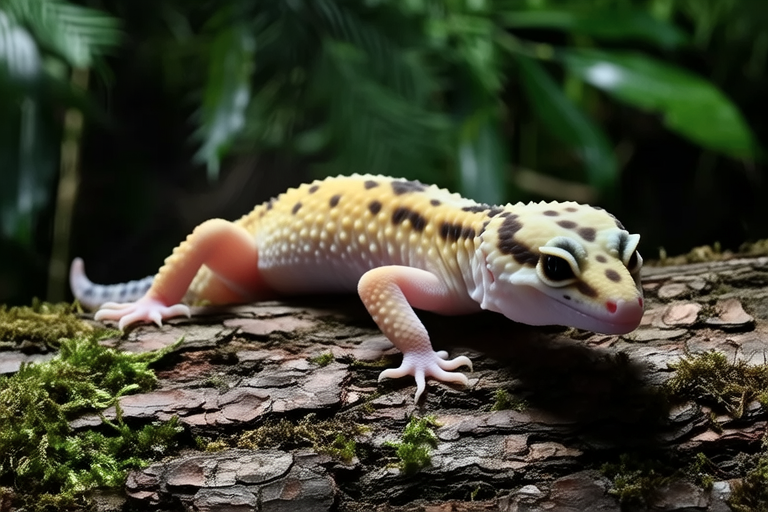
Leopard geckos, known for their distinctive spotted patterns and docile nature, have become one of the most popular reptiles among pet enthusiasts. These small lizards are native to the arid regions of Pakistan, Afghanistan, and parts of India. Their unique characteristics make them not only visually appealing but also relatively easy to care for, making them ideal pets for beginners and seasoned reptile owners alike.
Unique Characteristics of Leopard Geckos
Leopard geckos possess several unique features that set them apart from other lizard species. One of their most striking attributes is their ability to shed their skin completely, a process known as ecdysis. Unlike snakes, which shed their skin in pieces, leopard geckos remove their entire outer layer in one piece, often consuming it for its nutritional value. This shedding cycle typically occurs every four to eight weeks, depending on the age and health of the gecko.
Another remarkable characteristic is their tail, which serves multiple purposes. Not only does it act as a fat storage reserve, but it can also be voluntarily detached if the gecko feels threatened. This defense mechanism, known as autotomy, allows the gecko to escape predators by leaving behind its tail, which continues to wiggle, distracting the predator while the gecko makes its getaway. However, once lost, the tail does not regrow completely, leaving a noticeable scar.
Natural Habitat and Its Influence on Behavior
The natural habitat of leopard geckos plays a crucial role in shaping their behavior. Native to the arid regions of South Asia, these lizards thrive in hot, dry climates with sparse vegetation. The desert-like conditions of their natural habitat have adapted them to be primarily nocturnal, avoiding the intense heat of the day. They are most active during the cooler evening hours when they search for food and mates.
In captivity, replicating these environmental conditions is essential for maintaining the health and well-being of your pet leopard gecko. A temperature gradient within the enclosure is vital, allowing the gecko to regulate its body temperature. The cool end of the enclosure should maintain temperatures between 78°F and 82°F (25°C to 28°C), while the warm end should reach around 90°F (32°C). Providing a hideout at both ends of the temperature gradient ensures the gecko can thermoregulate effectively.
Common Behaviors
Basking
Despite being nocturnal, leopard geckos still require some exposure to UVB light to synthesize vitamin D3, which aids in calcium absorption. While they don’t bask in the traditional sense like diurnal lizards, providing a low-level UVB light source during daylight hours is recommended. This helps prevent metabolic bone disease, a condition caused by insufficient calcium.
Feeding Habits
Leopard geckos are insectivores, meaning their diet consists primarily of insects. In the wild, they feed on crickets, mealworms, and other small invertebrates. In captivity, it’s essential to provide a varied diet to ensure proper nutrition. Offering a mix of appropriately sized crickets, dubia roaches, and waxworms (in moderation due to their high-fat content) will keep your gecko healthy and satisfied.
It’s important to gut-load the feeder insects with nutritious foods before offering them to your gecko. Gut-loading involves feeding the insects a diet rich in vitamins and minerals, ensuring that when the gecko eats them, it receives optimal nutrition. Additionally, dusting the feeder insects with a calcium and vitamin D3 supplement twice a week is recommended to support bone health.
Nocturnal Activities
As mentioned earlier, leopard geckos are primarily nocturnal, becoming active during the evening and night. During these times, they engage in hunting, exploring their enclosure, and interacting with their environment. Observing your gecko’s nocturnal activities can provide valuable insights into its overall health and well-being. Signs of lethargy or reluctance to explore may indicate underlying health issues that require attention.
Social Interactions
Leopard geckos are generally solitary creatures, preferring to live alone rather than in groups. Housing multiple geckos together can lead to stress, aggression, and even injury. If you decide to house two or more geckos, it’s crucial to provide ample space and hiding spots to minimize territorial disputes. Males should never be housed together, as they are highly aggressive toward each other. Females can sometimes coexist peacefully, but careful monitoring is necessary to ensure compatibility.
Communication Methods
Body Language
Understanding your leopard gecko’s body language is key to interpreting its needs and emotions. A relaxed gecko will typically remain still, with its body low to the ground and its tail held close to its body. If your gecko is feeling threatened or stressed, it may flatten its body, puff up its tail, or wave its arms in a defensive posture. These actions are meant to make the gecko appear larger and more intimidating to potential threats.
When handling your gecko, it’s important to approach it slowly and gently, giving it time to acclimate to your presence. Avoid sudden movements or loud noises that could startle the gecko, as this can lead to stress and potentially aggressive behavior. Over time, with consistent and gentle handling, your gecko will become more comfortable and less likely to exhibit defensive postures.
Vocalizations
While not as vocal as some other reptile species, leopard geckos can produce a variety of sounds. They are capable of chirping, squeaking, and hissing, though these vocalizations are relatively rare. Chirping is often associated with distress or excitement, while hissing is typically a sign of agitation or fear. Understanding these vocal cues can help you respond appropriately to your gecko’s needs and create a more harmonious living environment.
Common Behavioral Issues and Solutions
Like any pet, leopard geckos can experience behavioral issues that may require attention. Some common problems include:
- Aggression: Aggressive behavior, such as biting or tail whipping, can occur if the gecko feels threatened or stressed. Ensuring a properly sized enclosure with adequate hiding spots and maintaining a consistent routine can help reduce stress and promote a calm demeanor.
- Lethargy: If your gecko appears lethargic or uninterested in its surroundings, it may be a sign of illness or improper husbandry. Check the temperature gradient, humidity levels, and diet to ensure all aspects of care are optimal. Consulting a veterinarian specializing in reptiles is recommended for a thorough evaluation.
- Poor Appetite: A lack of appetite can be concerning, as it may indicate health issues or environmental factors. Stress, improper lighting, or dietary imbalances can all contribute to a decreased appetite. Adjusting these variables and consulting with a veterinarian can help resolve this issue.
Tips for Encouraging Healthy and Natural Behaviors
To encourage healthy and natural behaviors in your leopard gecko, consider the following tips:
- Create a Stimulating Environment: Provide a variety of hiding spots, climbing structures, and tunnels to mimic their natural habitat. This will encourage exploration and mental stimulation, promoting a healthier and happier gecko.
- Maintain Proper Humidity Levels: Leopard geckos require a specific level of humidity to aid in shedding and overall health. Using a hygrometer to monitor humidity levels and misting the enclosure as needed can help maintain optimal conditions.
- Offer a Balanced Diet: Providing a diverse and nutritious diet is essential for preventing nutritional deficiencies and supporting overall health. Incorporate various feeder insects and supplements to ensure a balanced intake of vitamins and minerals.
- Handle Your Gecko Gently: Regular, gentle handling can help your gecko become accustomed to human interaction. Approach your gecko calmly and allow it time to adjust to your presence before attempting to handle it.
By understanding and addressing the unique behaviors and needs of your leopard gecko, you can create an enriching and supportive environment that promotes its well-being. With patience, care, and attention to detail, you’ll be able to unlock the mystery of your gecko’s behavior and enjoy a rewarding companionship.
