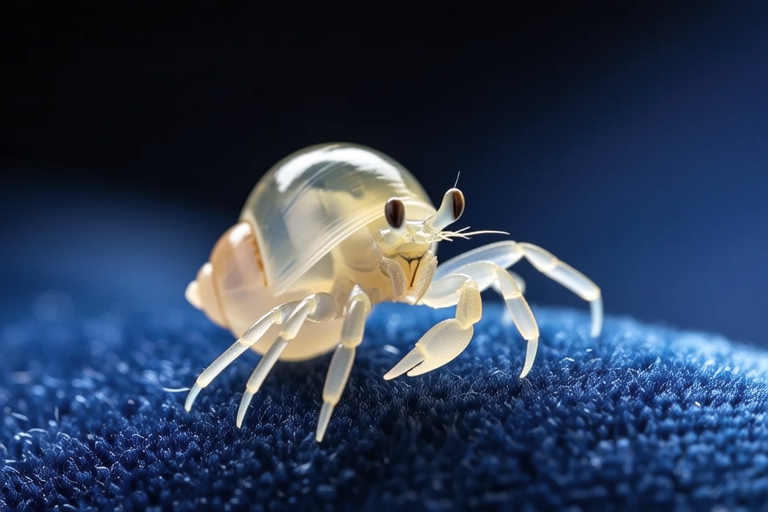
The Tiny Pea Crab: A Delightful Sea Companion
Welcome to the fascinating world of the tiny pea crab! This minuscule crustacean is one of the smallest crabs in existence, measuring just a few millimeters in length. Despite its diminutive size, the pea crab has a wealth of unique characteristics that make it stand out among its fellow marine creatures. In this article, we’ll explore the intriguing life of the pea crab, from its habitat and diet to its behavior and symbiotic relationships. We’ll also discuss why this adorable sea creature is considered a cute companion, and why you should take notice of this charming species.
Size Matters
The pea crab gets its name from its resemblance to a small pea, making it easy to overlook in the vast ocean. Its size ranges from 3mm to 8mm, depending on the species. This petite size allows the pea crab to find shelter within the protective shells of various bivalves, where it can hide from predators and live comfortably. The pea crab’s diminutive stature is both a blessing and a curse, as it enables the crab to evade larger threats but also limits its ability to hunt for food independently.
Habitat and Diet
Pea crabs are found in coastal waters worldwide, particularly in shallow areas where they can access their preferred hosts, which are often oysters, scallops, mussels, or clams. These bivalves provide the pea crab with a safe haven and a reliable source of food. The pea crab’s diet consists mainly of the host’s reproductive tissues, such as eggs and sperm, as well as the soft tissue of the gills and mantle. This diet is rich in nutrients, ensuring the pea crab’s survival and growth within its host’s shell.
Behavior and Lifestyle
Unlike many other crabs, pea crabs are not known for their aggressive behavior. Instead, they are peaceful inhabitants of their hosts’ shells, rarely venturing outside unless disturbed. The pea crab’s lifestyle revolves around its host, forming a mutually beneficial relationship that is essential for both parties’ survival. This symbiotic relationship is one of the most fascinating aspects of the pea crab’s life, and we’ll explore it further in the next section.
Symbiotic Relationships
The pea crab’s most remarkable feature is its symbiotic relationship with its host bivalves. This relationship is classified as parasitism, where the pea crab benefits at the expense of its host. However, the relationship is not entirely one-sided, as the pea crab provides some protection for its host by consuming harmful bacteria and parasites. Additionally, the presence of a pea crab within a bivalve’s shell can deter predators, as the crab’s movements and scent may signal danger to potential attackers.
One of the most interesting aspects of this relationship is how the pea crab finds its host. When a young pea crab is ready to settle down, it releases pheromones into the water, signaling its readiness to form a partnership. The bivalve responds by opening its shell slightly, allowing the pea crab to enter. Once inside, the crab uses its claws to anchor itself securely, preventing it from being washed away by currents or expelled by the host.
A Cute Companion
Despite being a sea creature, the pea crab is often regarded as a cute companion due to its small size and delicate appearance. Its rounded body and bright colors, ranging from pink to orange, make it an endearing sight. Many people are drawn to the pea crab’s gentle nature and its ability to coexist peacefully with its host. The pea crab’s cuteness extends beyond its physical appearance; its symbiotic relationship with other marine life is a testament to the beauty of cooperation in nature.
Why People Should Be Aware of the Pea Crab
The pea crab is a vital part of marine ecosystems, playing a crucial role in maintaining the health of its host bivalves. By controlling harmful bacteria and parasites, the pea crab helps ensure the survival of its host and, consequently, contributes to the overall balance of the ecosystem. Moreover, the pea crab’s unique symbiotic relationship with its host highlights the importance of cooperation and mutual support in nature.
Understanding the pea crab’s role in the marine environment can help raise awareness about the importance of preserving marine biodiversity. As human activities continue to impact marine ecosystems, it is crucial to recognize the value of all marine species, including the tiny pea crab. By learning about the pea crab and its symbiotic relationships, we can gain a deeper appreciation for the intricate web of life that exists beneath the waves.
Conclusion
The tiny pea crab is a fascinating and adorable sea creature that deserves our attention and admiration. Its small size, unique habitat, and symbiotic relationship with its host bivalves make it a remarkable example of adaptation and cooperation in nature. By understanding the pea crab’s role in marine ecosystems, we can better appreciate the complexity and beauty of the underwater world. Let us cherish this tiny crab and its contributions to the health and balance of our oceans.
