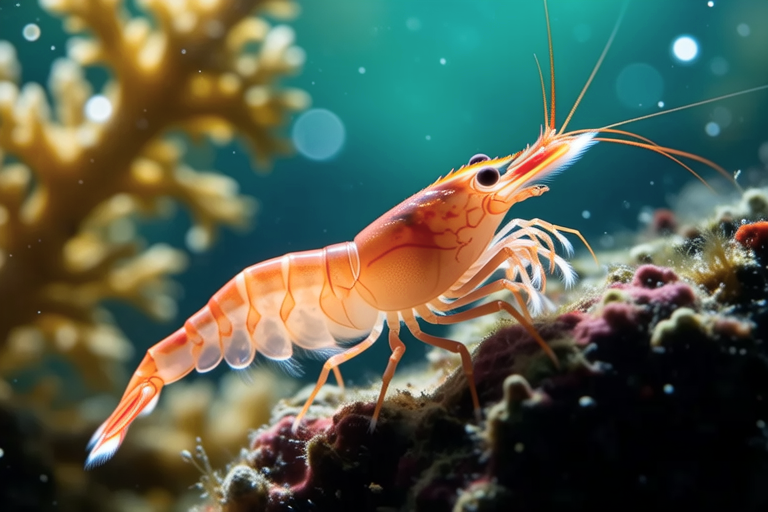
Top Secrets to Keeping Coral Shrimp Happy and Healthy in Your Home Aquarium
Welcome to the vibrant world of coral shrimp care! These captivating creatures bring a splash of color and life to any home aquarium. Understanding their specific needs is key to ensuring they thrive in your underwater paradise. This guide will delve into the secrets of keeping coral shrimp happy and healthy, covering everything from water parameters to tank mates and regular maintenance.
The Importance of Water Parameters
Water quality is paramount for the health and happiness of coral shrimp. Maintaining the right conditions ensures that these delicate crustaceans can flourish. Ideal water temperature for coral shrimp ranges between 72°F and 82°F (22°C to 28°C). Slightly cooler temperatures towards the lower end of this range are generally preferred, as it mimics their natural habitat better.
Ammonia and nitrite levels must be undetectable, while nitrate levels should remain below 20 ppm. A pH level between 8.0 and 8.4 is optimal, reflecting the alkaline waters of their natural environments. Regular testing with reliable test kits is crucial to monitor these parameters and make necessary adjustments.
Dietary Needs: What Coral Shrimp Love to Eat
Coral shrimp are omnivores with a diverse diet. In the wild, they feed on algae, microorganisms, and organic matter. To replicate this in captivity, provide a balanced diet that includes algae wafers, blanched vegetables like spinach or zucchini, and occasional meaty foods such as brine shrimp or bloodworms. Ensure that the food is appropriate for their size and avoid overfeeding, which can lead to water pollution.
Additionally, consider offering them some live foods like microworms or vinegar eels. Live foods not only provide nutritional benefits but also stimulate natural hunting behaviors, enriching their lives and mental well-being. Feeding should be done in small portions several times a week rather than large amounts infrequently.
Selecting Suitable Tank Mates: Compatibility Is Key
Choosing compatible tank mates is vital for the wellbeing of coral shrimp. They generally get along well with peaceful fish species such as guppies, tetras, and dwarf gouramis. However, avoid aggressive or predatory fish that might pose a threat. Larger bottom-dwelling species, like loaches or cichlids, may compete for food or even harass shrimp.
Other invertebrates can also make good companions. Snails and certain types of crabs can coexist peacefully. However, ensure that there are no aggressive or territorial invertebrates present that could harm the shrimp. Research each potential tank mate thoroughly before introducing them to your aquarium community.
Hiding Spots: Creating Safe Havens for Your Shrimp
Coral shrimp need ample hiding spots to feel secure and reduce stress. Incorporate various decorations such as driftwood, rocks, and plants into your aquarium setup. These structures provide both shelter and opportunities for exploration, mimicking their natural reef environments.
Plants, especially those with dense foliage, offer excellent cover and spawning sites. Java moss, java fern, and anubias are popular choices among aquarists due to their hardiness and aesthetic appeal. Ensure that the hiding spots are strategically placed around the tank to encourage exploration and minimize territorial disputes.
Regular Maintenance: Ensuring Longevity and Health
Maintaining a clean and stable environment is essential for the longevity of coral shrimp. Perform weekly partial water changes of about 10-20% to remove accumulated waste and maintain water quality. During water changes, carefully siphon out debris from the substrate without disturbing the shrimp.
Monitor equipment such as filters and heaters regularly. Clogged filters can reduce water flow and oxygenation, while malfunctioning heaters may cause temperature fluctuations harmful to the shrimp. Replace filter media according to manufacturer recommendations and check heater settings periodically.
Avoiding Common Pitfalls
One common mistake is overstocking the aquarium, leading to overcrowded conditions不利于珊瑚虾的健康。避免过度喂食也很重要,因为这会导致水质恶化并增加疾病的风险。此外,确保水族箱中的过滤器和其他设备正常工作以维持稳定的水质和氧气水平。
另一个常见的错误是忽略了定期维护的重要性。每周进行10-20%的部分换水可以去除积累的废物并保持水质。在换水时,小心地用虹吸管清除底床中的碎屑,而不会打扰虾。
监控过滤器和其他设备(如加热器)的工作状态也非常重要。堵塞的过滤器会降低水流和氧气化,而故障的加热器可能会导致温度波动,这对虾有害。根据制造商的建议更换过滤介质,并定期检查加热器的设置。
Conclusion: Enjoying the Beauty of Coral Shrimp
By following these guidelines, you’ll create an ideal environment where your coral shrimp can thrive. Remember, patience and careful observation are key to understanding their unique behaviors and needs. With proper care, your coral shrimp will become cherished members of your aquatic family, adding beauty and joy to your home aquarium.
