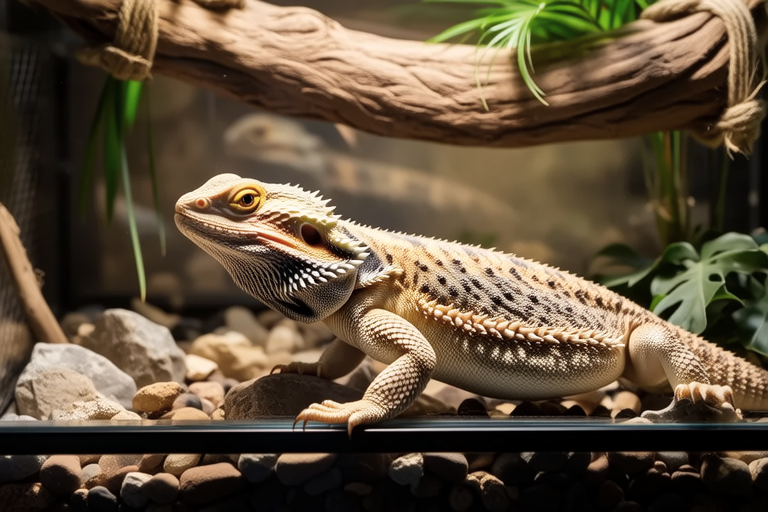
Transforming Your Home into a Paradise for Your Bearded Dragon
Welcome to the wonderful world of bearded dragon ownership! These fascinating reptiles are popular pets due to their docile nature and relatively low maintenance requirements. However, to ensure your bearded dragon thrives, it’s crucial to create a home environment that closely resembles their natural habitat. This guide will walk you through setting up the perfect living space, maintaining the right temperature and lighting, providing a balanced diet, and offering enrichment activities to keep your pet happy and healthy.
Optimal Habitat Setup
The first step in creating a paradise for your bearded dragon is designing its enclosure. A glass aquarium with a screen lid or a custom-built wooden vivarium are both suitable options. For a single adult bearded dragon, aim for a tank size of at least 4 feet long by 2 feet wide by 2 feet tall. Ensure there’s plenty of vertical space, as these lizards love climbing.
Inside the enclosure, include a variety of branches, rocks, and hides. These items provide essential climbing opportunities and hiding spots, which help reduce stress. Live or artificial plants can also enhance the aesthetic appeal while offering additional climbing surfaces. Make sure any materials used are non-toxic and safe for reptiles.
Substrate choice is another critical consideration. Avoid loose substrates like sand, which can lead to impaction if ingested. Instead, opt for safer alternatives such as paper towels, reptile carpet, or tile. These substrates are easy to clean and maintain, ensuring a hygienic environment for your bearded dragon.
Temperature Control
Maintaining the correct temperature gradient within the enclosure is vital for your bearded dragon’s health. In the wild, these creatures bask in the sun to regulate their body temperature. You can replicate this by installing a heat lamp on one side of the enclosure, creating a warm basking area. The ideal basking spot temperature ranges between 95°F to 110°F (35°C to 43°C), depending on the age and size of your lizard.
On the cooler end of the enclosure, temperatures should range from 75°F to 85°F (24°C to 29°C). This allows your bearded dragon to thermoregulate by moving between warmer and cooler areas. Use a thermometer to monitor temperatures and adjust heating equipment as necessary.
For nighttime, temperatures can drop slightly but should not fall below 65°F (18°C). Consider using a ceramic heat emitter or a red bulb for gentle heat without disrupting your dragon’s sleep cycle.
Lighting Requirements
In addition to heat, bearded dragons require specific types of lighting to thrive. UVB lighting is essential for calcium absorption and overall bone health. Choose a UVB bulb with a strength of 5.0 or higher, replacing it every six months to ensure effectiveness. Position the light so that it reaches the basking area, and place the enclosure no more than 12 inches away from the bulb.
UVB bulbs should be left on for 10 to 12 hours per day, mimicking natural daylight cycles. Supplemental full-spectrum lighting can enhance color perception and mood, making your bearded dragon’s environment more vibrant and enjoyable. Remember to turn off all lights at night to provide a restful period.
Diet Tips
Feeding your bearded dragon a balanced diet is key to their longevity and well-being. Young dragons should eat daily, while adults can be fed every other day. Offer a mix of insects and vegetables. Crickets, dubia roaches, and mealworms are common choices for protein sources. Gut-load these insects with nutritious foods before feeding them to your dragon to maximize nutritional value.
Vegetables like collard greens, mustard greens, and squash provide essential vitamins and minerals. Feed vegetables lightly dusted with calcium powder to support strong bones and prevent metabolic bone disease. Occasional treats, such as fruits or pinkie mice for adults, can add variety to their diet.
Avoid feeding iceberg lettuce, spinach, or rhubarb, as these can cause digestive issues or mineral imbalances. Always provide fresh water in a shallow dish, changing it daily to prevent bacterial growth.
Enrichment Activities
Creating a stimulating environment is just as important as providing proper care. Enrichment activities can keep your bearded dragon mentally and physically active. Rotate toys and accessories regularly to prevent boredom. Consider adding a small water feature or a shallow pool for swimming, which many bearded dragons enjoy.
Interactive feeding methods, such as hiding food in different locations around the enclosure, encourage exploration and problem-solving. Providing a variety of climbing structures and hides will also promote natural behaviors and reduce stress.
Practical Advice for Beginners and Advanced Owners
For beginners, focus on setting up a simple yet effective habitat. Start with a basic tank, reliable heat source, and UVB light. As you gain experience, gradually introduce more complex elements like live plants and interactive toys. Always prioritize your dragon’s health and comfort above aesthetics.
Advanced owners can explore more sophisticated setups, including outdoor enclosures for seasonal use. Experiment with different substrate types and lighting schedules to find what works best for your pet. Sharing experiences with fellow reptile enthusiasts can also provide valuable insights and inspiration.
No matter your level of expertise, always consult with veterinarians specializing in reptiles for guidance on specific care needs. Regular check-ups can help catch potential health issues early, ensuring your bearded dragon lives a long and happy life.
Conclusion
By following these guidelines, you’ll transform your home into a paradise for your bearded dragon. Creating a safe, stimulating environment that mimics their natural habitat is crucial for their well-being. With careful attention to detail and a commitment to ongoing learning, you can provide a loving home for these captivating creatures. Enjoy the journey of raising a healthy and happy bearded dragon!
