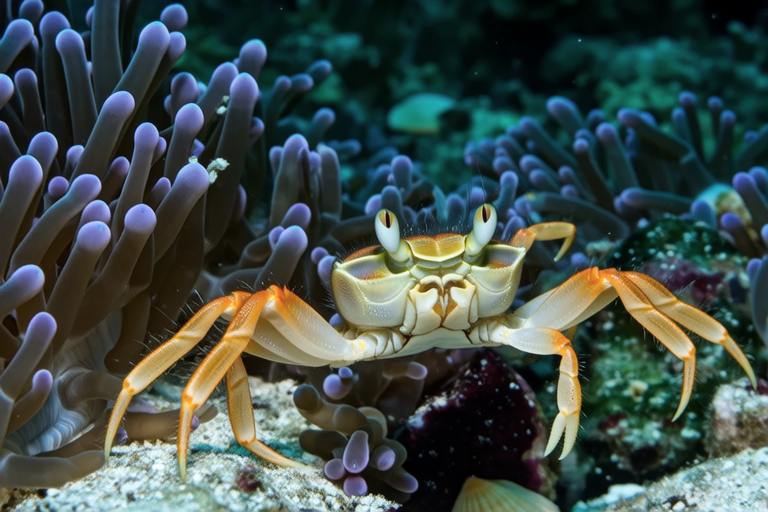
Pea Crabs: The Surprisingly Social Shelled Creatures You Need to Know About
Welcome to the fascinating world of pea crabs, those tiny yet mighty creatures that have captured the hearts of marine biologists and nature enthusiasts alike. Despite their diminutive size, pea crabs (family Pinnotheridae) boast a remarkable array of social behaviors and symbiotic relationships that set them apart from other crab species. These little crustaceans are more than just small shells scuttling around; they are intricate players in the marine ecosystem, often living in harmony with larger organisms. Let’s dive into the captivating world of pea crabs and explore what makes them so special.
The Habitat of Pea Crabs
Pea crabs are found in various marine environments, from shallow coastal waters to deeper offshore areas. They are particularly prevalent in estuaries and mangroves, where the water is rich in nutrients and teems with life. Their preferred habitats are characterized by abundant food sources and suitable hosts, such as sea cucumbers, anemones, and barnacles. These hosts provide the pea crabs with shelter, protection, and a steady supply of nutrients, all while benefiting from the presence of these tiny companions.
The crabs’ adaptability to different environments is one of their most remarkable traits. They can thrive in both freshwater and saltwater, making them versatile survivors in diverse aquatic settings. This adaptability has allowed pea crabs to colonize various parts of the globe, from the chilly waters of the North Atlantic to the tropical reefs of the Indo-Pacific.
Symbiotic Relationships: A Dance of Mutualism
One of the most intriguing aspects of pea crabs is their symbiotic relationships with other marine organisms. These relationships are based on mutualism, a type of symbiosis where both parties benefit. The pea crabs find refuge and sustenance within the bodies of their hosts, while the hosts gain protection and sometimes even improved reproductive success.
Sea cucumbers, for instance, serve as ideal homes for pea crabs. The crabs reside within the cucumber’s body cavity, protected from predators and supplied with a constant stream of nutrients. In return, the pea crabs consume detritus and parasites, helping to keep the sea cucumber clean and healthy. This relationship exemplifies the delicate balance of nature, where each organism plays a crucial role in maintaining the health of the ecosystem.
Anemones and barnacles also offer safe havens for pea crabs. The crabs often inhabit the protective tentacles of anemones or the calcified shells of barnacles. These hosts provide camouflage and a secure environment, while the pea crabs assist in nutrient cycling and waste removal. The symbiotic relationship between pea crabs and their hosts underscores the interconnectedness of marine life, highlighting the importance of biodiversity.
Diet and Feeding Habits
The diet of pea crabs is as varied as their habitats. As omnivores, they feed on a wide range of organic matter, including plankton, algae, and small invertebrates. However, their primary source of nutrition comes from the detritus and organic particles present in the host’s body cavity. This diet is rich in nutrients, providing the pea crabs with the energy they need to grow and reproduce.
In addition to scavenging for food, pea crabs have developed specialized feeding techniques. For example, some species use their claws to scrape off algae from the surface of their hosts, while others filter-feed on plankton-rich water. These feeding strategies allow the crabs to efficiently obtain nutrients without leaving the safety of their host.
Reproduction and Life Cycle
The reproductive cycle of pea crabs is a fascinating aspect of their biology. Unlike many other crab species, pea crabs do not require external environments for mating. Instead, males and females engage in internal fertilization, with the male transferring sperm directly to the female. This process ensures that the eggs are fertilized within the safety of the host, protecting them from predation and environmental hazards.
Once fertilized, the female carries her eggs beneath her abdomen until they hatch. The larvae, known as zoeae, are released into the water column, where they undergo several molts before developing into juvenile crabs. This complex reproductive strategy allows pea crabs to maximize their chances of survival in a challenging marine environment.
Interestingly, the timing of reproduction is often synchronized with the lifecycle of the host. For example, pea crabs living within sea cucumbers may time their breeding to coincide with periods of increased nutrient availability within the host’s body cavity. This synchronization ensures that the offspring have the best possible conditions for growth and development.
Adaptations for Host Living
To thrive within their hosts, pea crabs have evolved a series of remarkable adaptations. Their flattened bodies allow them to fit snugly within the confines of their hosts, while their soft, flexible shells enable them to conform to the shape of the host’s interior. Additionally, pea crabs possess specialized sensory organs that help them navigate and communicate within the dark, cramped spaces of their hosts.
Another adaptation is their reduced size. By remaining small, pea crabs minimize the impact on their hosts and reduce competition for resources. This size advantage also allows them to exploit niches that larger crabs cannot access, further enhancing their survival prospects.
The Social Lives of Pea Crabs
Contrary to popular belief, pea crabs are not solitary creatures. While they rely on their hosts for shelter and food, they exhibit complex social behaviors within their communities. Pea crabs often gather in groups within a single host, forming bustling microcosms of activity. These aggregations provide opportunities for cooperation and communication, allowing the crabs to share resources and coordinate their activities.
Within these communities, there is a division of labor. Some crabs focus on feeding, while others are responsible for cleaning and maintaining the host’s environment. This cooperative behavior enhances the overall fitness of the group, ensuring that each individual benefits from the collective efforts.
Communication plays a vital role in these social interactions. Pea crabs use chemical signals and tactile cues to convey information about food sources, potential threats, and reproductive readiness. These communication methods facilitate coordination and cooperation within the group, promoting a harmonious existence.
Interesting Facts About Pea Crabs
Pea crabs are full of surprises, and there are several fascinating facts that make them stand out among other crab species:
- Size Matters: Despite their name, not all pea crabs are as small as a pea. Some species can grow up to 2 inches in length, making them relatively large compared to their counterparts.
- Colorful Companions: Pea crabs come in a variety of colors, ranging from pale white to vibrant reds and oranges. These hues help them blend in with their hosts and avoid detection by predators.
- Longevity: Pea crabs can live for several years, with some species reaching ages of over five years. This longevity is impressive for such small creatures.
- Global Presence: Pea crabs are found in oceans across the globe, from the Arctic to the Antarctic, showcasing their ability to adapt to diverse environments.
Conservation and Future Research
Despite their widespread distribution, pea crabs face challenges due to human activities such as pollution, habitat destruction, and overfishing. These factors can disrupt the delicate balance of marine ecosystems, potentially impacting the survival of pea crabs and their hosts.
Future research will focus on understanding the ecological roles of pea crabs and their symbiotic relationships. Scientists aim to uncover new insights into the mechanisms that govern these interactions and explore ways to protect these tiny but vital members of the marine community. By studying pea crabs, researchers hope to gain a better understanding of the broader marine ecosystem and develop strategies to conserve it.
Moreover, the study of pea crabs provides valuable lessons about the importance of biodiversity and the interconnectedness of life. Each organism, no matter how small, plays a critical role in maintaining the health and stability of the ecosystem.
Conclusion
Pea crabs are more than just small, shelled creatures; they are complex social beings with unique adaptations and behaviors that make them stand out in the world of marine biology. From their symbiotic relationships with hosts to their cooperative social structures, pea crabs offer a window into the intricate web of life in the ocean. As we continue to explore and understand these fascinating creatures, we gain a deeper appreciation for the wonders of nature and the importance of preserving the delicate balance of our marine ecosystems.
