The Enchanting World of Hotot Rabbits: Facts and Care Tips
Welcome to the enchanting world of Hotot rabbits! These charming creatures have captured the hearts of many with their striking appearance and gentle nature. Whether you’re a seasoned rabbit owner or considering adding a Hotot to your family, this guide will provide you with all the information you need to understand and care for these delightful animals.
Unique Appearance
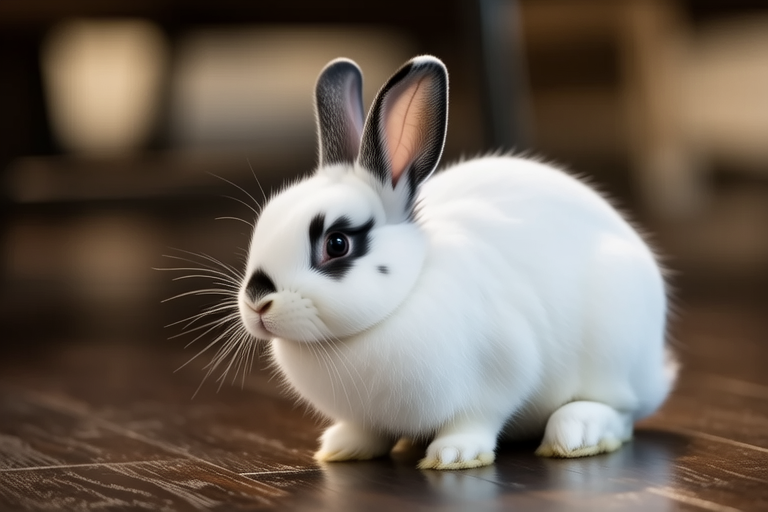
The Hotot rabbit is instantly recognizable thanks to its distinctive white fur and black or blue-gray eye rings that encircle its eyes like a mask. This striking contrast gives them an almost mystical appearance, making them one of the most visually appealing breeds of domestic rabbits. Their fur is soft and plush, and they typically weigh between 4 to 6 pounds, making them medium-sized rabbits. Their compact size makes them perfect for smaller living spaces, yet their robust bodies ensure they are healthy and active.
History
The Hotot rabbit breed originated in France at the beginning of the 20th century. Developed by Eugène Émile Oustric, it was initially bred as a meat rabbit but quickly gained popularity as a pet due to its endearing looks and friendly disposition. The name ‘Hotot’ comes from the town of Hotot-en-Auge in Normandy, France, where the breed was developed. Over time, the Hotot has become a beloved companion animal known for its charm and uniqueness.
Temperament
Hotot rabbits are known for their gentle and affectionate personalities. They enjoy human interaction and can be quite playful, often showing excitement when their owners arrive home. Unlike some other breeds, Hotot rabbits tend to be more docile and less prone to aggressive behavior, which makes them ideal pets for families with children. However, every rabbit has its own personality, so patience and understanding are key when building a bond with your new furry friend.
Dietary Needs
A well-balanced diet is essential for keeping your Hotot rabbit healthy and happy. Their diet should primarily consist of high-quality hay, such as timothy or orchard grass, which provides necessary fiber for digestion. Fresh vegetables like carrots, broccoli, and leafy greens can also be offered in moderation. Pellets designed specifically for rabbits should make up a small portion of their daily intake, ensuring they receive adequate nutrients without overfeeding. Always introduce new foods gradually to avoid digestive upset.
Habitat Setup
Creating a comfortable and safe environment for your Hotot rabbit is crucial. Provide a spacious cage with plenty of room for movement, ideally at least three times the length of the rabbit’s body. Line the bottom with absorbent bedding, such as paper-based products or recycled newspaper litter, to keep the area clean and dry. Include tunnels, chew toys, and hiding spots to stimulate mental and physical activity. Regular cleaning of the habitat helps prevent odor and ensures your rabbit stays healthy.
Grooming Requirements
Despite their short fur, Hotot rabbits require regular grooming to maintain their coat’s condition. Brushing once or twice a week with a soft bristle brush helps remove loose hair and prevents matting. During shedding seasons, more frequent brushing may be necessary. Bathing is generally not required unless absolutely necessary, as it can stress the rabbit and strip natural oils from the skin. Instead, focus on spot cleaning any soiled areas and keeping the living space clean.
Health Issues Specific to Hotot Rabbits
Like all rabbit breeds, Hotots are susceptible to certain health issues. Common problems include dental disease, gastrointestinal stasis, and respiratory infections. Regular veterinary check-ups are vital for early detection and treatment of potential health concerns. Providing a balanced diet rich in hay, maintaining proper hygiene, and monitoring your rabbit’s behavior for signs of illness can help prevent many of these issues. If you notice changes in appetite, energy levels, or bathroom habits, consult your veterinarian promptly.
Tips for Bonding and Training
Bonding with your Hotot rabbit takes time and patience. Start by spending quiet time together in a neutral space, allowing the rabbit to approach you at its own pace. Once trust is established, you can begin introducing interactive play sessions using treats and toys. Training your rabbit can involve teaching simple commands or tricks, rewarding good behavior with praise and small treats. Positive reinforcement methods work best, ensuring the experience remains enjoyable for both you and your pet.
Real-life example: Sarah, a first-time rabbit owner, shares her experience, “I adopted a young Hotot rabbit named Binky who was initially shy. By offering him small pieces of carrot during our daily playtime, he soon became more confident and began following me around the house.”
Call to Action
We hope this guide has provided valuable insights into the captivating world of Hotot rabbits. Whether you’re a seasoned enthusiast or just starting out, there’s always something new to learn about these wonderful companions. We encourage you to share your own Hotot rabbit stories, experiences, or questions in the comments below. Let’s create a community where we can support each other in providing the best care for our furry friends!
