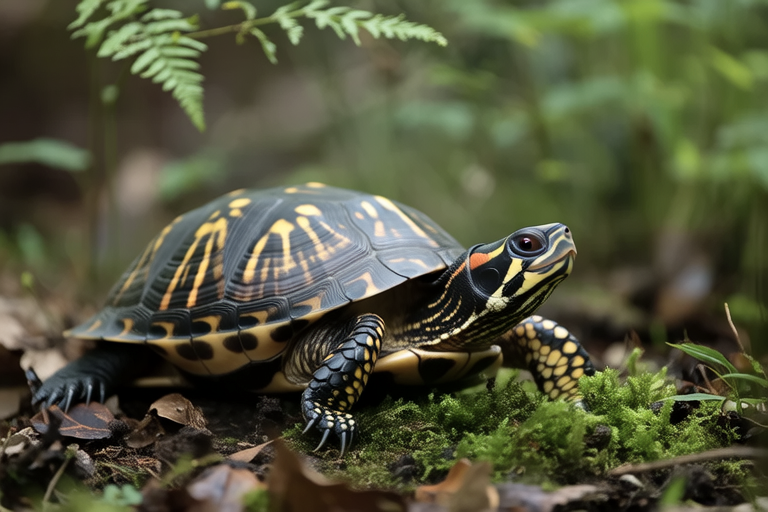
Meet the Three-Striped Box Turtle: A Unique Addition to Your Outdoor Habitat
The three-striped box turtle (Terrapene triunguis) is a charming reptile that has captivated the hearts of many pet enthusiasts. Known for its distinctive three longitudinal stripes on its head, this turtle is a unique addition to any outdoor habitat. With proper care, these turtles can thrive in a backyard environment, offering both beauty and companionship to their human caretakers. This article aims to provide a comprehensive guide to understanding and caring for the three-striped box turtle, ensuring that you can enjoy its presence for years to come.
A Distinctive Appearance
The three-striped box turtle is easily recognizable by its striking three longitudinal yellow or orange stripes that run along each side of its head. These stripes contrast beautifully against its dark, usually brown or black, shell and skin. The carapace, or upper shell, is domed and typically ranges from 4.5 to 6 inches in length for adult males, while females tend to be slightly larger, reaching up to 7 inches. The plastron, or lower shell, is hinged, allowing the turtle to close itself completely inside its shell when threatened. This defensive mechanism is one of the reasons why they are often referred to as box turtles.
Natural Habitat and Dietary Preferences
In the wild, the three-striped box turtle is native to the southeastern United States, ranging from eastern Texas to Illinois and southward through Louisiana and Mississippi. They prefer habitats that include open woodlands, grassy meadows, and areas near water sources such as streams and ponds. These turtles are primarily terrestrial but are also comfortable in shallow water. Understanding their natural habitat helps in creating a suitable environment for them in captivity.
Dietary preferences play a crucial role in maintaining the health of your three-striped box turtle. In the wild, their diet consists mainly of insects, worms, fruits, and plants. As pets, they can thrive on a varied diet that includes leafy greens, vegetables, fruits, and protein-rich foods such as earthworms, crickets, and mealworms. It’s important to ensure a balanced diet to support their growth and overall health. Supplementing their food with calcium and vitamin D3 can help prevent metabolic bone disease, a common issue in captive turtles.
Setting Up the Perfect Outdoor Habitat
Creating a safe and stimulating outdoor habitat is essential for the well-being of your three-striped box turtle. Begin by selecting an area that mimics their natural environment, offering a mix of open space and shaded areas. A good size for a backyard enclosure would be at least 8 feet by 8 feet, though larger is always better. Use a combination of fencing and landscaping to create boundaries that keep the turtle contained while still allowing it to explore.
Ensure the enclosure has a variety of terrain, including soft soil, mulch, and rocks. This provides opportunities for burrowing and basking, which are important activities for the turtle’s physical and mental health. Incorporate a shallow water source, such as a small pond or water dish, where the turtle can swim and soak. Regularly clean the water to maintain hygiene.
Protection from predators and harsh weather conditions is paramount. Secure the enclosure with a sturdy fence, burying it at least 6 inches deep to prevent burrowing animals from entering. Cover the top of the enclosure with wire mesh to deter birds and other aerial predators. Additionally, provide shelters such as wooden boxes or hollow logs where the turtle can retreat during extreme temperatures or inclement weather.
Safety Measures and Health Checks
Regular health checks are vital for the well-being of your three-striped box turtle. Monitor their weight and shell condition regularly, looking for signs of illness or injury. Common issues include respiratory infections, shell rot, and parasites. Consult a veterinarian specializing in reptiles if you notice any abnormalities.
To keep your turtle active and engaged, offer enrichment activities. Provide hiding spots, tunnels, and climbing structures within the enclosure. Rotate toys and food items periodically to stimulate curiosity and prevent boredom. Encourage natural behaviors by allowing the turtle to hunt for food hidden among the substrate. This not only keeps them mentally stimulated but also promotes physical activity.
Conclusion
The three-striped box turtle is a fascinating and rewarding pet for those willing to provide the necessary care and attention. By understanding their natural habitat and dietary needs, and by setting up a safe and enriching outdoor environment, you can ensure that your turtle thrives in your home. Remember to prioritize their health and happiness by conducting regular check-ups and offering stimulating activities. With love and proper care, your three-striped box turtle will bring joy and companionship to your life for many years to come.
