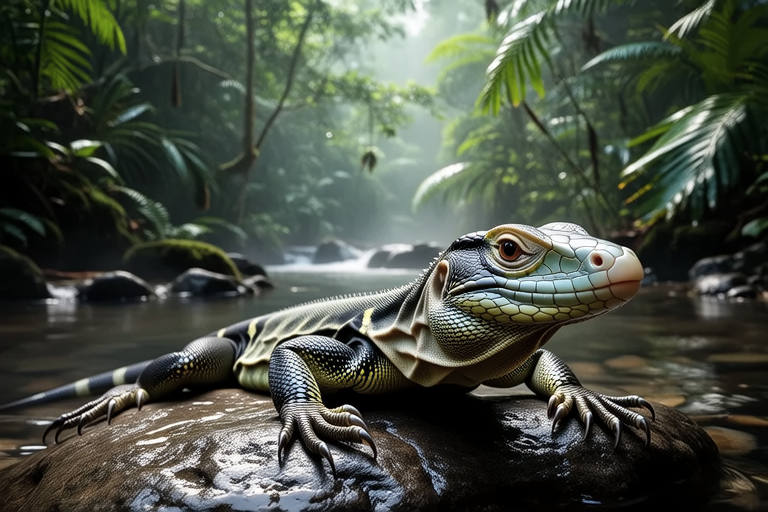
The Water Monitor Lizard: A Comprehensive Guide
The water monitor lizard (Varanus salvator) is an extraordinary reptile known for its impressive size, adaptability, and remarkable aquatic skills. Found primarily in Southeast Asia, this species is one of the largest lizards in the world, captivating both nature enthusiasts and reptile lovers alike. This article delves into the water monitor lizard’s size, habitat, unique characteristics, behavior, diet, and interactions with its environment. Additionally, it highlights interesting facts about its swimming abilities and hunting techniques, compares its personality traits in captivity versus the wild, and concludes with conservation efforts and advice for potential pet owners.
Size and Habitat
Water monitor lizards can reach lengths of up to 3 meters (9.8 feet) and weigh over 50 kilograms (110 pounds). Their robust build, muscular tails, and sharp claws make them well-suited for their semi-aquatic lifestyle. These lizards inhabit a wide range of environments, including mangrove swamps, rivers, lakes, and coastal areas. They are highly adaptable and can thrive in diverse ecosystems, from dense forests to open grasslands. Their ability to swim efficiently allows them to navigate through water bodies, making them excellent at escaping predators or pursuing prey.
Unique Characteristics
One of the most striking features of the water monitor lizard is its long, powerful tail, which serves multiple purposes. It acts as a rudder when swimming, propelling the lizard through the water with ease. On land, the tail provides balance and agility, allowing the lizard to climb trees, rocks, and other structures. The water monitor’s keen sense of smell helps it locate food, while its sharp eyesight enables it to spot potential threats or prey from a distance. Additionally, these lizards have strong jaws and teeth, capable of delivering powerful bites.
Behavior and Diet
Water monitors are diurnal, meaning they are active during the day. They spend much of their time basking in the sun to regulate their body temperature, a crucial aspect of their cold-blooded physiology. In the wild, these lizards are solitary creatures, only coming together during the breeding season. They are opportunistic feeders, consuming a wide variety of prey, including fish, crabs, insects, small mammals, birds, and even carrion. Their diet varies depending on availability and location.
In captivity, water monitors exhibit similar behaviors but may become more social due to the close proximity of humans. They often form bonds with their caretakers and can be trained to respond to commands or stimuli. However, it is important to note that these lizards remain wild animals and should always be treated with respect and caution.
Swimming Abilities and Hunting Techniques
Water monitors are exceptional swimmers, capable of staying submerged for extended periods thanks to their ability to slow their heart rate and reduce oxygen consumption. They can dive to depths of up to 4.5 meters (15 feet) and hold their breath for up to 30 minutes. Their streamlined bodies and webbed feet enable swift movements underwater, allowing them to chase down prey or escape danger. When hunting, water monitors employ a combination of stealth and speed, ambushing unsuspecting victims or stalking them until the perfect moment to strike.
Personality Traits in Captivity vs Wild
Water monitors in captivity tend to display more docile behavior compared to their wild counterparts. In a controlled environment, these lizards often form bonds with their caretakers and can be trained to recognize familiar faces and respond to gentle handling. However, they still retain their natural instincts and should never be underestimated. While some individuals may become more comfortable around humans, others may remain wary and unpredictable. It is essential for potential owners to understand the risks associated with keeping such large, powerful animals as pets.
Wild water monitors are generally more cautious and aggressive. Their survival depends on their ability to avoid predators and secure food, leading to a more solitary and independent lifestyle. In captivity, however, these lizards can learn to trust their caretakers and even enjoy regular interactions. Nonetheless, it is crucial to remember that they are wild animals and should always be treated with respect and caution.
Conservation Efforts
The water monitor lizard faces several threats in the wild, including habitat destruction, poaching for the illegal pet trade, and overharvesting for their skin and meat. Conservation organizations and local communities are working together to protect these magnificent creatures by establishing protected areas, promoting sustainable practices, and raising awareness about the importance of preserving biodiversity. By supporting these initiatives, we can help ensure the survival of the water monitor lizard and maintain the ecological balance of their habitats.
Tips for Potential Pet Owners
If you are considering owning a water monitor lizard as a pet, there are several factors to consider:
- Research thoroughly: Before committing to a water monitor, conduct extensive research to understand their specific needs, care requirements, and potential challenges.
- Prepare adequately: Ensure you have a suitable enclosure, proper heating, lighting, and enrichment items to provide a stimulating and healthy environment for your lizard.
- Consult professionals: Seek guidance from experienced herpetologists, veterinarians, or other experts who specialize in water monitors to ensure you are equipped with the necessary knowledge and resources.
- Be prepared for long-term commitment: Water monitors can live for 15 to 20 years, so it is important to consider the long-term responsibilities and costs associated with owning one.
- Evaluate your living situation: Consider whether your home and lifestyle are conducive to housing a large reptile, taking into account space, safety, and compatibility with other family members or pets.
Owning a water monitor lizard can be a rewarding experience for those willing to invest the time, effort, and resources required to provide a safe and enriching environment. However, it is crucial to approach this decision with careful consideration and respect for the animal’s welfare and conservation status.
