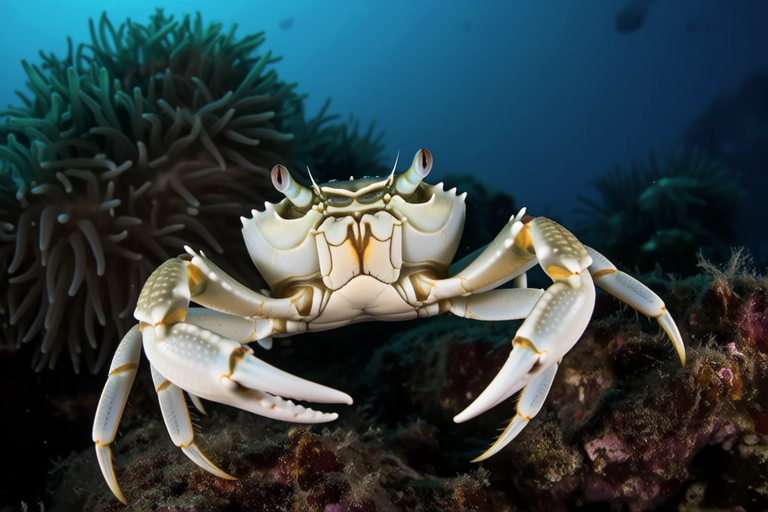
From Ocean Floors to Home Aquariums: Bringing Pea Crabs Closer
Introduction
The world beneath the waves is a realm of mystery and wonder, teeming with creatures both familiar and bizarre. Among these fascinating denizens of the deep, pea crabs stand out as tiny marvels of nature. These diminutive crustaceans, named for their size rather than their color, have captured the interest of marine biologists and hobbyists alike. This article delves into the world of pea crabs, exploring their natural habitat, unique symbiotic relationships, and the challenges and considerations involved in bringing them into home aquariums. We will also discuss their care, feeding habits, and the benefits of keeping them in aquariums, concluding with insights on their ecological importance.
The Natural Habitat of Pea Crabs
Pea crabs (family Pinnotheridae) inhabit a variety of marine environments across the globe. They are typically found in coastal areas, particularly around estuaries and coral reefs. Their preferred habitats include sandy or muddy substrates, seagrass beds, and within the bodies of larger marine organisms. These crabs are known for their ability to thrive in diverse conditions, from shallow waters near shorelines to deeper regions where they can burrow into the sediment.
The ocean floor serves as a crucial habitat for pea crabs, offering protection from predators and providing ample opportunities for finding food. Their small size and agility allow them to navigate through intricate environments, making them well-suited to life on the seabed. Additionally, many species of pea crabs exhibit remarkable adaptability, enabling them to survive in fluctuating environmental conditions such as changes in salinity and temperature.
Symbiotic Relationships
One of the most intriguing aspects of pea crabs is their unique symbiotic relationships with other marine organisms. Many pea crab species live in close association with bivalve mollusks, such as clams and oysters, acting as commensal or parasitic partners. In some cases, the pea crab benefits from the protection and nutrients provided by its host without causing significant harm. Other species may be more detrimental, consuming tissue or reproductive organs of their hosts while receiving shelter.
These symbiotic interactions highlight the complexity of marine ecosystems and the delicate balance maintained among different species. By studying these relationships, researchers gain valuable insights into the dynamics of marine communities and the factors that influence species coexistence.
Challenges and Considerations in Bringing Pea Crabs into Home Aquariums
Bringing pea crabs from their natural environment into home aquariums presents several challenges and considerations. One of the primary concerns is ensuring that the aquarium mimics the crabs’ native habitat as closely as possible. This involves replicating the appropriate water chemistry, temperature, and substrate conditions. Proper filtration systems are essential to maintain clean and stable water parameters, which are critical for the health and well-being of the crabs.
Another challenge lies in providing suitable hiding spots and shelters within the aquarium. Pea crabs require secure spaces to retreat to when feeling threatened or during molting periods. Incorporating rocks, driftwood, or artificial structures can help create a more naturalistic environment for the crabs. Additionally, it is important to consider potential interactions between pea crabs and other inhabitants of the aquarium. Some species may be compatible, while others could pose threats to the crabs’ safety.
Feeding habits must also be carefully managed. Pea crabs are opportunistic feeders, often relying on detritus, plankton, and small invertebrates. Providing a balanced diet that meets their nutritional needs requires careful planning. This may involve supplementing their diet with commercial foods designed for small crustaceans or offering live foods like brine shrimp and daphnia.
Care and Feeding Habits
Caring for pea crabs in a home aquarium involves maintaining optimal water quality, providing adequate space and hiding places, and ensuring a nutritious diet. Regular water testing and monitoring are crucial to prevent any fluctuations that could stress the crabs. A stable pH level, appropriate salinity, and oxygenated water contribute to a healthy environment.
Feeding pea crabs should be done with precision. While they are generally not picky eaters, offering a variety of food options can promote overall health. Small portions of high-quality commercial foods, enriched with vitamins and minerals, can complement their natural diet. Live foods such as brine shrimp and daphnia provide essential nutrients and mimic their natural feeding behavior. It is advisable to feed the crabs multiple times a week, ensuring that uneaten food is removed promptly to avoid fouling the water.
Molting is another aspect of care that requires attention. During this process, pea crabs shed their exoskeleton to accommodate growth. Providing soft substrates or dedicated areas for molting helps reduce the risk of injury. Observing the crabs during this vulnerable period is important to ensure their safety and well-being.
Benefits of Keeping Pea Crabs in Aquariums
Keeping pea crabs in home aquariums offers numerous benefits for both the hobbyist and the broader community. For enthusiasts, these crabs provide an opportunity to observe and appreciate the intricate lives of marine organisms up close. Their small size and interesting behaviors make them captivating subjects for observation. Moreover, caring for pea crabs can enhance one’s understanding of marine ecosystems and the importance of maintaining balanced aquatic environments.
On a broader scale, keeping pea crabs in aquariums can contribute to conservation efforts. By raising awareness about these creatures and their role in marine ecosystems, hobbyists can inspire others to support marine conservation initiatives. Additionally, successful husbandry practices can inform scientific research and contribute to our knowledge of these fascinating animals.
Ecological Importance and Appreciation for Marine Biodiversity
Pea crabs play a vital role in marine ecosystems, contributing to nutrient cycling and serving as prey for larger organisms. Their presence in home aquariums can foster a greater appreciation for marine biodiversity and the interconnectedness of species within ecosystems. By showcasing the beauty and complexity of marine life, hobbyists can encourage others to take an active interest in protecting these environments.
Understanding the ecological importance of pea crabs also underscores the need for responsible aquaculture practices. Ensuring that the crabs are sourced sustainably and that their introduction into aquariums does not disrupt local ecosystems is paramount. Educational programs and community outreach efforts can further promote awareness and appreciation for these tiny but significant creatures.
Conclusion
From ocean floors to home aquariums, pea crabs offer a window into the wonders of marine life. By bringing these crabs closer, we not only enrich our own experiences but also contribute to a greater understanding and appreciation of marine biodiversity. Through careful consideration of their needs and responsible practices, hobbyists can enjoy the beauty and complexity of these tiny crustaceans while supporting conservation efforts and fostering a deeper connection with the underwater world.
