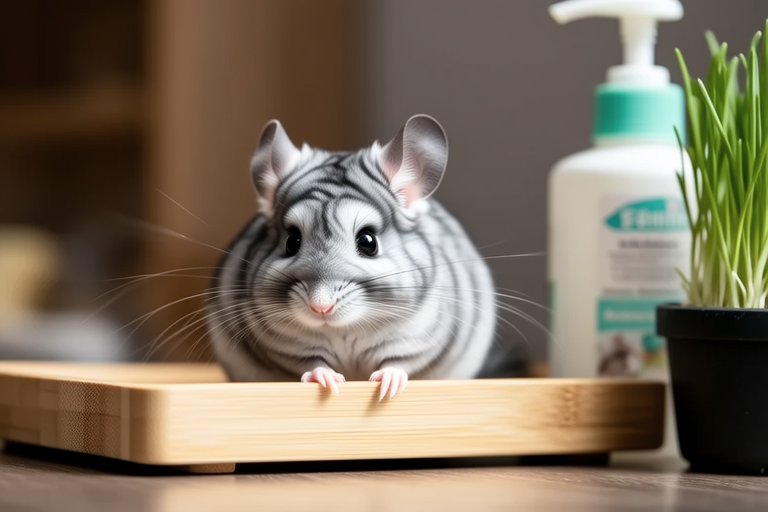
Chinchilla Care Tips: Secrets for a Long-Lasting Bond with Your Pet
Welcome to the wonderful world of chinchillas! These adorable, fluffy creatures are not only charming but also require special care to ensure they thrive in their new home. As a responsible pet owner, it’s important to understand their unique needs and provide them with a loving environment that encourages growth and happiness. This guide will cover essential aspects of chinchilla care, including diet, habitat setup, grooming, exercise, and social interaction. We’ll also explore ways to build trust and create a strong bond with your chinchilla.
Dietary Needs: Nourishing Your Chinchilla
Chinchillas have specific dietary requirements that must be met to maintain their health. Their diet primarily consists of hay, pellets, and fresh water. Timothy hay is highly recommended as it aids in digestion and keeps teeth healthy by promoting natural wear. Pellets should be high-quality and specifically formulated for chinchillas, ensuring they receive all necessary nutrients without excessive fat or sugar.
In addition to hay and pellets, chinchillas enjoy occasional treats like raisins, oats, and small pieces of apple or carrot. However, these should be given sparingly to avoid digestive upset. Fresh water should always be available, and it’s best to use a sipper bottle designed for small animals to prevent contamination.
Habitat Setup: Creating a Comfortable Home
A well-designed habitat is crucial for your chinchilla’s comfort and safety. Start by selecting an appropriate cage size; ideally, it should allow enough space for your pet to move around freely. A wire cage with solid flooring is preferred to prevent injury from sharp edges or small gaps. The cage should be placed in a quiet area away from direct sunlight, drafts, and loud noises.
Provide bedding material such as paper-based products or shredded newspaper to keep the bottom of the cage clean and absorbent. Avoid wood shavings, sawdust, or cedar as they can irritate your chinchilla’s respiratory system. Additionally, include nesting boxes filled with soft bedding for your chinchilla to hide and rest comfortably.
Environmental enrichment is key to keeping your chinchilla mentally stimulated. Offer toys like tunnels, chew sticks, and hanging wheels to encourage physical activity and mental engagement. Ensure all items are safe and free from small parts that could be swallowed.
Grooming Needs: Maintaining a Healthy Coat
Chinchillas possess incredibly dense fur, which requires regular grooming to prevent matting and skin irritation. Dust baths are essential for maintaining coat health; they help remove dirt, excess oils, and loose hair. Fill a shallow container with chinchilla dust (available at pet stores) and place it inside the cage for about 15 minutes daily. Monitor closely to prevent overbathing, which can lead to dry skin.
Aside from dust baths, gently brush your chinchilla’s fur using a soft-bristled brush or comb during handling sessions. This not only promotes bonding but also helps distribute natural oils throughout the coat. Regular nail trimming may be necessary if your chinchilla does not naturally wear down its nails through climbing and running. Consult a veterinarian for proper technique and tools.
Exercise Requirements: Encouraging Physical Activity
Chinchillas are active creatures that benefit greatly from regular exercise. While they spend most of their time in the cage, providing opportunities for supervised play outside the enclosure is beneficial. Set up a safe play area with ramps, tunnels, and platforms to mimic their natural environment. Always supervise your chinchilla during playtime to prevent accidents.
Interactive toys such as treat-dispensing puzzles or hanging balls can stimulate your chinchilla mentally while encouraging physical movement. Rotate toys periodically to maintain interest and challenge. Exercise also plays a role in stress reduction and overall well-being, contributing positively to your relationship with your pet.
Social Interaction: Building Trust and Connection
Establishing a trusting relationship with your chinchilla takes time and patience. Begin by allowing your chinchilla to become accustomed to your presence through passive observation. Gradually introduce gentle handling, starting with brief periods of holding and petting. Reward calm behavior with treats or praise.
Consistency is key when interacting with your chinchilla. Spend quality time together daily, engaging in activities that promote bonding such as grooming sessions or playtime. Over time, your chinchilla will learn to associate you with positive experiences, fostering a deeper connection.
Common Health Issues and Preventive Care
Like any pet, chinchillas can experience health problems. Common issues include dental disease, respiratory infections, and digestive disorders. Regular veterinary check-ups are vital for early detection and treatment. Signs of illness may include lethargy, loss of appetite, unusual droppings, or changes in behavior.
To prevent health issues, maintain cleanliness in the cage by cleaning bedding and accessories regularly. Monitor food intake and water consumption, adjusting as needed based on your chinchilla’s activity level and age. Provide a balanced diet rich in hay and pellets, supplemented with occasional treats.
Conclusion
Raising a chinchilla is a rewarding experience filled with joy and companionship. By understanding their dietary needs, setting up an appropriate habitat, attending to grooming requirements, encouraging exercise, and fostering social interaction, you can create a nurturing environment that supports your pet’s physical and emotional well-being. With dedication and love, you’ll build a lasting bond that brings years of happiness to both you and your furry friend.
