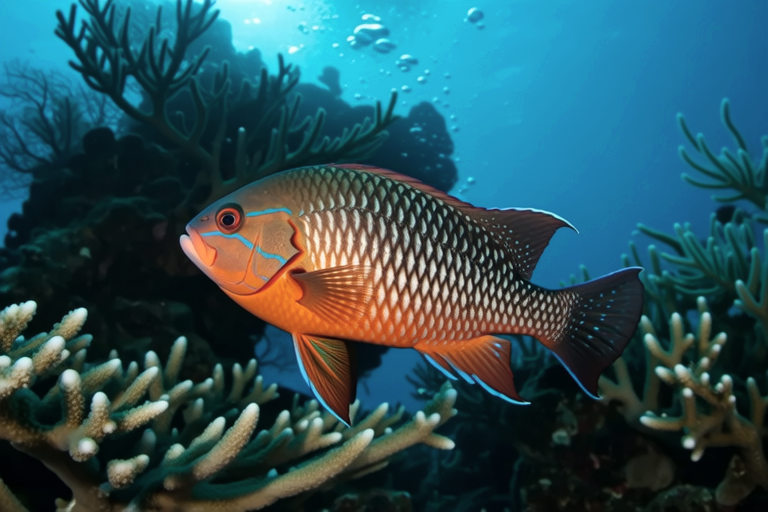
The Colorful Life of Parrot Fish: A Dive into Their Vibrant World
Welcome to the vibrant underwater world of parrot fish, where colors dance like brushstrokes on a canvas and each species paints its own unique masterpiece. These marine marvels, named for their beak-like mouths and the resemblance of their scales to feathers, are more than just a pretty sight; they play a crucial role in maintaining the health of coral reefs.
Introduction to Parrot Fish
Parrot fish, belonging to the family Scaridae, are found in tropical and subtropical waters around the globe. With over 90 species, they come in a dazzling array of hues, from electric blues and greens to fiery reds and yellows. Their unique appearance is not only striking but also serves various purposes, including camouflage and communication. These fish can grow up to three feet long, depending on the species, and are known for their robust bodies and large, often colorful scales that form a protective armor against predators.
Vibrant Coloration: A Reflection of Age and Gender
One of the most fascinating aspects of parrot fish is their ever-changing color palette. As these fish mature, their coloration shifts dramatically. Juvenile parrot fish often display muted tones to blend in with their surroundings, which helps them avoid detection by predators. However, as they reach adulthood, their colors intensify, becoming the vivid and varied hues we associate with this family of fish.
Gender also plays a significant role in determining the coloration of parrot fish. Male parrot fish tend to have more vibrant and distinct color patterns compared to females. This difference is particularly pronounced during mating season when males put on their most dazzling displays to attract females and intimidate rivals. Some species even exhibit temporary color changes during aggressive encounters or courtship rituals, adding another layer of complexity to their already dynamic appearance.
Feeding Habits and Their Role in Reef Health
Parrot fish are herbivores, primarily feeding on algae that grow on coral reefs. They use their strong teeth, enclosed in a beak-like structure, to scrape algae off the coral surface. This grazing behavior is crucial for the health of coral reefs, as it prevents excessive algal growth that could otherwise smother and kill corals. By keeping the reef clean, parrot fish ensure that sunlight reaches the coral polyps, allowing them to photosynthesize and thrive.
Interestingly, parrot fish consume vast amounts of coral material along with the algae. This material passes through their digestive systems, where it is ground down into sand. In some cases, up to 90% of the sand found on tropical beaches originates from the digestion of coral by parrot fish. This process not only contributes to the formation of new beaches but also helps maintain the delicate balance of the marine ecosystem.
Social Behaviors and Communication
Parrot fish are highly social creatures, often living in groups called schools. These schools can range in size from a few individuals to hundreds, depending on the species and environmental conditions. Living in schools provides protection from predators and allows for more efficient foraging. Parrot fish communicate through a variety of visual signals, body movements, and sounds. For instance, during courtship, males may perform elaborate dances and display their brightest colors to attract females.
Communication among parrot fish is also essential for establishing and maintaining social hierarchies within the group. Dominant males often assert their position through aggressive displays and physical confrontations. These interactions help determine access to resources such as food and mates, ensuring the survival and reproduction of the fittest individuals.
Breeding Habits
The breeding season for parrot fish is a spectacle of color and activity. Males establish territories and build nests to attract females. Courtship involves intricate dances and displays of vibrant colors. Once a female is attracted, she will lay her eggs in the nest, which the male then fertilizes externally. After spawning, the male continues to guard the eggs until they hatch, ensuring their safety from predators.
In some species, males form harems, with one dominant male defending multiple females. This arrangement increases the chances of successful reproduction for both sexes. The offspring, once hatched, will join the school of juveniles, where they will learn the necessary skills for survival and eventually take their place in the adult population.
Threats and Conservation Efforts
Despite their importance to marine ecosystems, parrot fish face numerous threats. Overfishing, habitat destruction, and pollution are among the leading causes of declining parrot fish populations. Many species are targeted for their meat and vibrant skin, which is used in jewelry and other decorative items. Additionally, coral reef degradation due to climate change and human activities further reduces the available habitat for parrot fish.
To address these challenges, conservation efforts are crucial. Marine protected areas (MPAs) have been established to safeguard critical habitats and provide safe zones for parrot fish to thrive. These areas restrict fishing activities and other harmful practices, allowing populations to recover and stabilize. Education and awareness campaigns also play a vital role in promoting sustainable fishing practices and reducing demand for products derived from endangered species.
Furthermore, initiatives aimed at reducing carbon emissions and addressing climate change are essential for preserving coral reefs and the myriad of species that depend on them. By supporting these conservation efforts, we can help ensure the continued existence of parrot fish and the vibrant ecosystems they inhabit.
In conclusion, parrot fish are not only beautiful and fascinating creatures but also vital components of marine ecosystems. Their vibrant colors, unique behaviors, and critical roles in maintaining reef health make them a subject of wonder and admiration. By understanding and appreciating these remarkable fish, we can work towards protecting them and the diverse environments they call home.
