Coral Shrimp: The Hidden Gem of Saltwater Aquariums
When it comes to saltwater aquariums, coral shrimp (genus Serastoderma) have long been considered a hidden gem among hobbyists. These tiny crustaceans are not only visually appealing but also play a crucial role in maintaining the health of your marine ecosystem. Coral shrimp are known for their vibrant colors, unique behaviors, and ability to contribute positively to the well-being of your tank’s inhabitants. In this article, we will explore the reasons why coral shrimp are often overlooked yet highly valued additions to saltwater aquariums.
The Unique Characteristics of Coral Shrimp
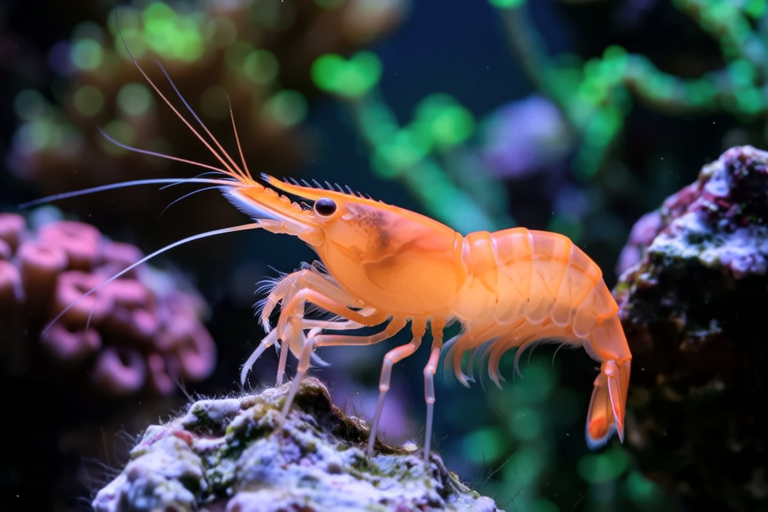
Coral shrimp are small, typically ranging from 1 to 3 inches in length, depending on the species. They come in various shades of red, orange, and white, making them stand out against the backdrop of corals and rocks. Their translucent bodies and bright coloration make them visually striking, adding a splash of color to any aquarium. One of the most distinctive features of coral shrimp is their long, slender antennae, which they use to sense their environment and communicate with other shrimp.
In addition to their appearance, coral shrimp exhibit fascinating behaviors that can captivate aquarium enthusiasts. For instance, these shrimp are known for their cleaning habits, where they actively search for detritus and uneaten food particles within the tank. This behavior not only keeps the aquarium clean but also helps maintain water quality by reducing the accumulation of harmful substances. Coral shrimp are also territorial creatures, establishing and defending specific areas within the tank. While they may appear passive, they can be quite aggressive towards other shrimp or even fish if they feel threatened.
Care Requirements for Coral Shrimp
Keeping coral shrimp healthy requires attention to detail when setting up and maintaining their environment. Proper water parameters are essential for the well-being of these delicate creatures. Coral shrimp thrive in water with a temperature range of 72-82°F (22-28°C), a pH level between 8.1 and 8.4, and salinity levels between 1.023 and 1.026 specific gravity. It’s important to ensure that the water is well-oxygenated and free from pollutants, as poor water conditions can lead to stress and disease.
Feeding coral shrimp is relatively straightforward. They are omnivorous, meaning they eat both plant and animal matter. In the wild, they feed on algae, detritus, and small invertebrates. In captivity, you can offer them a variety of foods such as high-quality flake food, frozen brine shrimp, and algae wafers. It’s crucial to provide a balanced diet to ensure proper nutrition and prevent deficiencies. Additionally, supplementing their diet with occasional live or frozen foods like mysis shrimp or brine shrimp can help stimulate their natural feeding behaviors.
Creating a suitable habitat for coral shrimp involves providing ample hiding spots and surface area for them to explore. Live rock and coral structures are ideal for creating a naturalistic environment that mimics their native habitats. These structures not only serve as shelter but also offer surfaces for algae growth, which coral shrimp can graze on. Ensure that there are enough hiding places so that each shrimp has its own territory, reducing the likelihood of aggression. Decorative elements like driftwood, caves, and tunnels can also enhance the visual appeal of the tank while offering additional hiding spots.
The Role of Coral Shrimp in Maintaining Tank Health
Coral shrimp play a vital role in maintaining the overall health of a saltwater aquarium. As mentioned earlier, their cleaning habits help keep the tank free from debris and excess organic material. By scavenging for food particles and dead organisms, coral shrimp contribute to the biological filtration process, reducing the buildup of harmful substances like ammonia and nitrite. This, in turn, helps maintain stable water parameters and promotes the well-being of all tank inhabitants.
Moreover, coral shrimp are excellent at controlling algae growth. They feed on various types of algae, including green hair algae and cyanobacteria, which can become problematic if left unchecked. By grazing on these algae, coral shrimp help prevent overgrowth, ensuring that corals and other sessile organisms have sufficient space to thrive. Their presence can significantly reduce the need for manual algae removal, saving time and effort for the aquarist.
Compatibility with Other Species
One of the reasons coral shrimp are considered a hidden gem is their compatibility with a wide range of tank mates. They coexist peacefully with many species of fish, invertebrates, and corals, making them an excellent choice for community tanks. However, it’s important to exercise caution when selecting tank mates to ensure a harmonious environment.
Coral shrimp are generally compatible with peaceful fish species such as clownfish, damselfish, and cardinalfish. They tend to avoid aggressive or predatory fish that might view them as prey. When introducing new fish into the tank, it’s advisable to observe their behavior closely to ensure that they do not pose a threat to the shrimp. Some larger fish, particularly those with protruding teeth or sharp fins, can accidentally harm coral shrimp during feeding frenzies or territorial disputes.
In terms of invertebrate compatibility, coral shrimp get along well with non-aggressive species such as hermit crabs, snails, and certain types of sea stars. However, they may compete with other shrimp species, especially if space is limited. It’s best to introduce only one or two coral shrimp per tank to minimize competition and territorial disputes. Additionally, some shrimp species, particularly cleaner shrimp, may coexist peacefully with coral shrimp, but it’s essential to monitor their interactions to ensure that neither species becomes stressed or injured.
Corals can also benefit from the presence of coral shrimp. These shrimp help control algae growth around corals, allowing them to thrive without competition for space and light. However, it’s crucial to choose corals that are compatible with shrimp. Some soft corals, such as zoanthids and mushroom corals, may release toxins that could harm coral shrimp. Therefore, it’s recommended to research the specific needs of the corals you plan to introduce and ensure that they are safe for shrimp to cohabit with.
Tips for Beginners Interested in Adding Coral Shrimp to Their Setup
If you’re new to saltwater aquariums and considering adding coral shrimp to your setup, here are some valuable tips to help you get started:
- Research thoroughly: Before purchasing coral shrimp, take the time to learn about their specific care requirements, including water parameters, feeding habits, and compatibility with other species. Understanding these factors will help you create a suitable environment for your shrimp.
- Quarantine new arrivals: To protect your existing tank inhabitants from potential diseases or parasites, it’s a good practice to quarantine new shrimp for several weeks before introducing them to your main tank. This allows you to monitor their health and ensure that they are not carrying any pathogens.
- Gradually acclimate: When introducing coral shrimp to your tank, acclimate them slowly to the water parameters. Place the shrimp in a container filled with tank water and gradually add small amounts of tank water over a period of 30 minutes to an hour. This helps reduce stress and increases the chances of successful introduction.
- Provide adequate hiding spots: Ensure that your tank has plenty of hiding spots and surface area for the shrimp to establish territories. This will help reduce aggression and promote a more peaceful environment.
- Monitor water quality: Regularly test your water parameters and perform partial water changes to maintain optimal conditions for your shrimp. Consistent monitoring ensures that your shrimp remain healthy and thrive in their environment.
Conclusion
Coral shrimp are truly a hidden gem in the world of saltwater aquariums. Their vibrant colors, unique behaviors, and beneficial roles in maintaining tank health make them an invaluable addition to any marine ecosystem. By understanding their care requirements and compatibility with other species, you can create a thriving environment that supports the well-being of your shrimp and enhances the overall beauty of your aquarium. Whether you’re a seasoned aquarist or just starting out, coral shrimp offer endless fascination and satisfaction, making them a must-have for any saltwater enthusiast.
