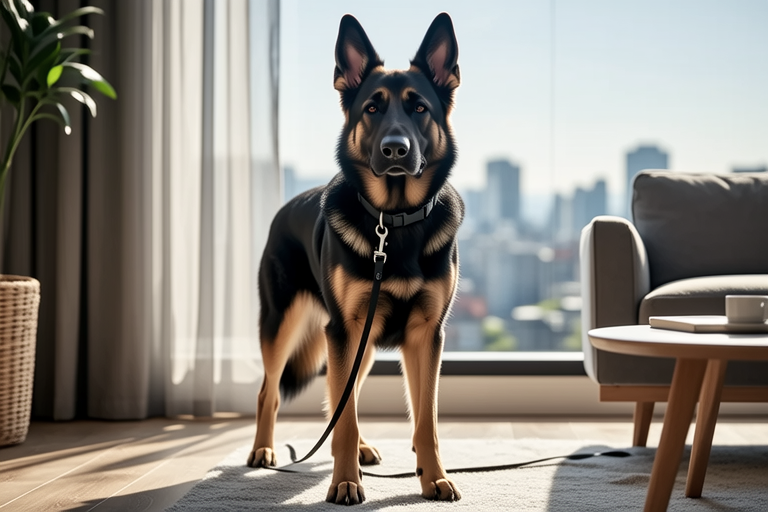
From Farm to City: Adapting Your Home for a German Shepherd
Welcome to the bustling world of city living! If you’ve recently moved from a rural area with your German Shepherd and are wondering how to best adapt your home for them, you’re in the right place. Transitioning from a farm to an urban environment can be challenging for both you and your furry companion. This guide will help you navigate the changes, ensuring a smooth and enjoyable transition for both of you.
Adjusting Living Spaces
One of the first things you’ll notice about city living is the limited space compared to rural areas. German Shepherds are active dogs that need ample room to move around freely. Here are some tips to make your urban home more accommodating:
- Create a designated dog area: Set up a cozy corner or room where your German Shepherd can relax and feel secure. This space should include comfortable bedding, toys, and a feeding station.
- Utilize vertical space: In smaller homes, consider adding shelves or elevated platforms for your dog to rest on. This not only maximizes space but also provides a change of scenery for your pet.
- Outdoor access: If possible, ensure your home has a small yard or balcony where your German Shepherd can spend time outside. However, remember that outdoor time in the city may be limited due to noise and pollution.
Exercise Routines Suitable for City Life
German Shepherds are energetic dogs that require regular physical activity. While a farm offers vast open spaces, cities present unique opportunities and challenges for exercise. Here’s how you can keep your dog active:
- Leash walks: Regular leash walks are crucial for mental stimulation and physical fitness. Explore different parks and green spaces in your city to keep the routine interesting.
- Agility training: Many cities have agility clubs or classes where you can enroll your German Shepherd. This activity not only keeps them physically fit but also mentally engaged.
- Interactive play: Engage your dog in interactive games like fetch or tug-of-war. These activities can be done in parks or even in your living room if space permits.
Recommended Training Methods for Behavioral Adaptation
Moving from a rural to an urban setting can lead to behavioral changes in your German Shepherd. Proper training is essential to ensure they adjust well to their new environment:
- Positive reinforcement: Use treats, praise, and affection to reward good behavior. This method encourages your dog to repeat positive actions.
- Consistency: Establish clear rules and boundaries. Consistent training helps your German Shepherd understand what is expected of them.
- Socialization: Introduce your dog to various environments, people, and other animals. This will help them become more adaptable and less anxious in unfamiliar situations.
Dietary Considerations
Feeding a German Shepherd in the city requires careful consideration. Urban environments often expose dogs to more pollutants and stress, which can affect their health:
- High-quality food: Choose a premium dog food that meets all nutritional requirements. Look for ingredients that are easily digestible and free from artificial preservatives.
- Hydration: Ensure your German Shepherd has access to clean, fresh water at all times. Dehydration can exacerbate health issues, especially in a hot urban climate.
- Supplements: Depending on your dog’s age and health, consult with a veterinarian about potential supplements that could benefit your pet, such as joint support for older dogs.
