Understanding Siberian Huskies: A Comprehensive Guide
Siberian Huskies are one of the most recognizable dog breeds due to their striking appearance and unique characteristics. Known for their endurance, intelligence, and independent spirit, these dogs have a rich history that dates back centuries. This article explores the unique aspects of Siberian Huskies, including their history, communication methods, social dynamics, and common misconceptions. We’ll also delve into their physical traits in relation to their mental capabilities, focusing on their legendary endurance and independence. Finally, we’ll discuss effective training techniques and provide practical advice for owners and potential adopters.
History and Origin
The Siberian Husky originated in Northeast Asia, where they were bred by the Chukchi people as working dogs. These nomadic tribes relied on the Huskies to pull sleds across vast distances in harsh winter conditions. The dogs’ ability to endure long journeys with minimal food and water made them invaluable companions. In the early 20th century, Siberian Huskies gained international recognition when they participated in sled races, most notably the 1925 serum run to Nome, Alaska. Their remarkable performance during this event solidified their reputation as exceptional sled dogs and brought them to the attention of dog enthusiasts worldwide.
Physical Traits and Mental Capabilities
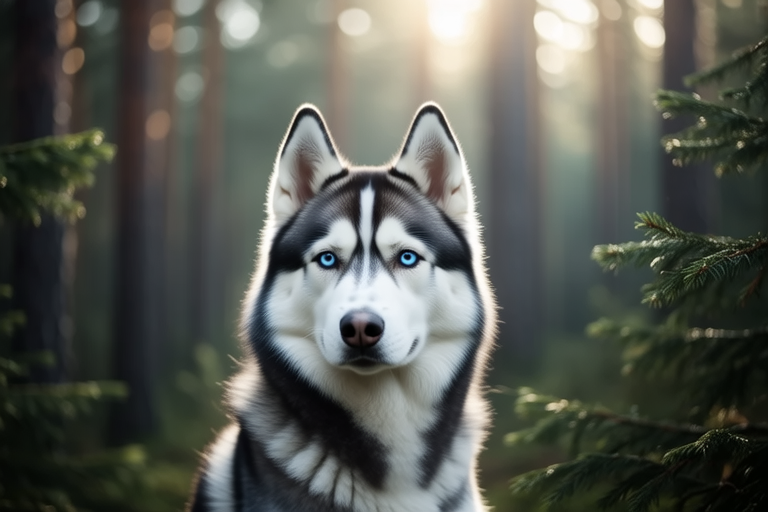
Siberian Huskies are medium-sized dogs with a distinctive wolf-like appearance. They have thick, double-layered coats that protect them from cold temperatures, making them well-suited for arctic environments. Their almond-shaped eyes can be blue, brown, or a combination of both, adding to their unique look. Despite their robust build, Huskies are surprisingly agile and quick, capable of covering long distances at a steady pace.
Beyond their physical attributes, Siberian Huskies possess remarkable mental capabilities. Their intelligence allows them to solve problems and adapt to various situations. However, this intelligence also contributes to their independent nature, which can sometimes make training challenging. Experts in canine behavior and genetics suggest that the breed’s high energy levels and strong will are linked to their genetic makeup, inherited from generations of working dogs. Understanding these traits is crucial for effective training and management.
Communication Methods and Social Dynamics
Siberian Huskies communicate primarily through body language, vocalizations, and facial expressions. They are known for their soft, almost melodic barking, which can be soothing but may also indicate alertness or excitement. While they generally get along well with other dogs and animals, their strong-willed nature can lead to conflicts if not properly managed. Socialization from an early age is essential to ensure harmonious interactions with other pets and humans.
Huskies are pack-oriented animals and thrive in environments where they feel part of a group. They often form close bonds with their human families and enjoy spending time with them. However, their independence means they may not always seek constant attention or affection. It’s important for owners to recognize and respect their need for space while still providing plenty of opportunities for interaction and play.
Common Misconceptions
One of the most common misconceptions about Siberian Huskies is that they are aggressive or dangerous. In reality, Huskies are generally friendly and gentle dogs, especially with children. Another misconception is that they are easy to train due to their intelligence. While Huskies are indeed intelligent, their independent nature can make obedience training more challenging than with some other breeds. Patience, consistency, and positive reinforcement are key to successful training.
Another myth is that all Huskies are white with blue eyes. While many Huskies do have this coloration, they come in a variety of colors and patterns, including black, gray, and red. Their eye color can also vary widely, from deep brown to icy blue. Understanding the diversity within the breed helps potential owners set realistic expectations and appreciate the individuality of each dog.
Training Techniques
Effective training for Siberian Huskies requires a balance between leveraging their strengths and addressing their challenges. Positive reinforcement, such as treats and praise, is highly effective in motivating Huskies to learn new commands. Consistency is crucial, as these dogs thrive on routine and clear expectations. Owners should establish themselves as leaders in the pack hierarchy, setting boundaries and rules that the dog understands and respects.
Given their high energy levels, Huskies benefit from regular exercise and mental stimulation. Daily walks, runs, or games of fetch can help burn off excess energy and prevent behavioral issues caused by boredom. Training sessions should be short and engaging, incorporating activities that challenge the dog’s mind and body. Puzzle toys and agility courses are excellent ways to keep Huskies mentally stimulated and focused.
Expert Insights
Experts in canine behavior and genetics emphasize the importance of understanding the breed’s history and genetic predispositions when working with Siberian Huskies. Dr. Lisa Peterson, a veterinarian and certified animal behaviorist, notes that “Huskies are descendants of working dogs, and their natural instincts remain strong today. This makes them ideal candidates for activities that engage both their bodies and minds.” She recommends incorporating tasks that simulate hunting and herding behaviors, such as scent work or agility training.
Dr. Sarah Hodgson, a geneticist specializing in canine health, adds that “The Siberian Husky’s genetic makeup includes traits that contribute to their endurance and independence. These characteristics are valuable in working dogs but can pose challenges in pet settings. Owners must be prepared to invest time and effort into training and socialization to ensure their Husky becomes a well-adjusted companion.”
Practical Advice for Owners and Potential Adopters
For current and prospective owners of Siberian Huskies, it’s essential to understand the breed’s unique needs and temperament. Regular exercise, mental stimulation, and consistent training are vital for maintaining a healthy and happy Husky. Owners should also be prepared for the possibility of escape attempts; Huskies are notorious for their ability to dig under fences or find creative ways to roam. Ensuring secure fencing and monitoring the dog’s outdoor activities can help prevent accidents.
Potential adopters should consider the commitment required to care for a Siberian Husky. These dogs require significant time and attention, particularly during the first few months of ownership. Socialization and training should begin as early as possible to establish good habits and prevent behavioral issues. Prospective owners should also research local breed-specific rescue organizations and shelters to learn more about adopting a Husky in need of a loving home.
In conclusion, Siberian Huskies are fascinating and rewarding companions with a rich history and unique characteristics. By understanding their physical traits, mental capabilities, and social dynamics, owners can better meet their dogs’ needs and foster strong, healthy relationships. With patience, consistency, and positive reinforcement, even the strongest-willed Husky can become a loyal and loving member of the family.
