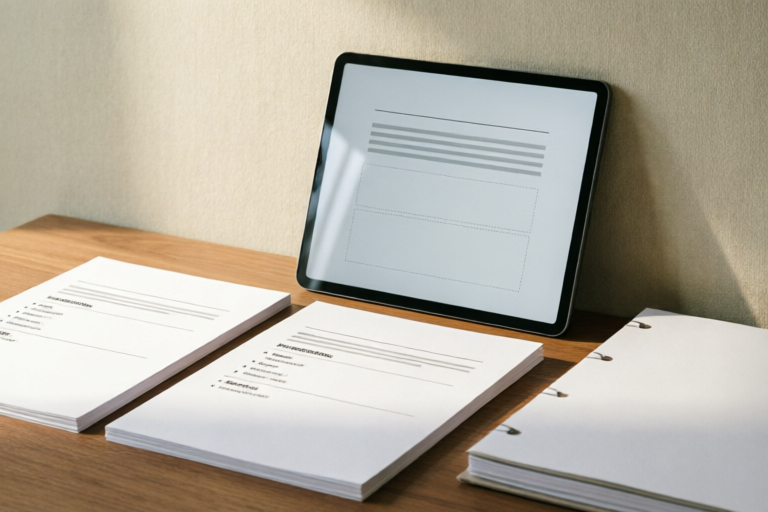
Examples of Effective Meeting Agenda Templates
Efficient Meetings Start with a Well-Crafted Agenda
Introduction to Meeting Agendas
Definition and Importance of Meeting Agendas: A meeting agenda is a structured outline that lists the topics to be discussed during a meeting. It serves as a roadmap, ensuring that all participants are aware of the purpose and expected outcomes. An effective meeting agenda helps streamline the process, making sure that everyone stays on track and that the meeting remains productive.
Benefits of Using Effective Agenda Templates: Utilizing pre-designed templates can save time and effort when preparing for meetings. These templates provide a standardized format that can be customized to fit specific needs, ensuring consistency across different types of meetings. Additionally, they help set clear expectations for attendees, reducing confusion and increasing engagement.
Overview of Different Types of Meetings that Require Agendas: Various kinds of meetings benefit from having well-crafted agendas. These include project management meetings, team collaboration sessions, and executive leadership gatherings. Each type has its own unique requirements and focuses, which will be explored further in subsequent sections.
Key Components of an Effective Meeting Agenda
Opening Statement or Welcome Message: Every good agenda starts with a warm greeting or brief introduction by the host. This sets a positive tone and reminds everyone of the meeting's purpose.
Clear Objectives and Outcomes for the Meeting: Clearly defining what you hope to achieve during the session ensures alignment among all participants. Setting SMART (Specific, Measurable, Achievable, Relevant, Time-bound) goals helps maintain focus throughout the discussion.
Detailed List of Topics to Be Discussed, With Time Allocations: Providing a comprehensive breakdown of subjects alongside estimated durations keeps discussions organized and prevents overrunning any single topic. Prioritizing more complex issues early in the schedule allows sufficient time for thorough exploration.
Action Items and Responsible Parties: Assigning specific tasks to individuals promotes accountability and ensures follow-through after the meeting concludes. Clearly stating who is responsible for each action item helps avoid misunderstandings later on.
Follow-Up Steps and Next Meeting Details: Ending with information about upcoming deadlines or subsequent get-togethers encourages continued momentum between sessions. Including contact details for further inquiries demonstrates commitment to ongoing communication.
Example 1: Project Management Meeting Template
Sample Structure for a Project Management Meeting: For projects requiring regular updates and coordination, consider adopting a template that includes sections such as status reports, milestone achievements, challenges faced, solutions proposed, and future plans. Such formats facilitate easy tracking of progress and task allocation.
Specific Elements Tailored for Tracking Progress and Assigning Tasks: Incorporate columns listing current statuses, deadlines, responsible persons, and priority levels within your document. Visual aids like Gantt charts or Kanban boards may also prove beneficial depending upon team preferences.
Tips on How to Customize This Template for Your Team’s Needs: While general structures offer valuable guidance, tailoring them specifically to suit your organization's operations enhances effectiveness. Consider factors like team size, industry standards, technological capabilities, etc., when personalizing your chosen framework.
Example 2: Team Collaboration Meeting Template
Layout Designed to Foster Communication and Idea Sharing Among Team Members: Create space within your agenda for open dialogue and creative thinking. Allocate blocks dedicated solely to brainstorming new ideas or resolving existing problems together.
Emphasis on Brainstorming Sessions and Collaborative Problem-Solving Activities: Encourage active participation from every member present by encouraging free-flowing conversations without judgment. Use tools like mind maps or whiteboards if necessary to visually represent thoughts.
Suggestions for Incorporating Feedback Mechanisms Into the Agenda: Allow ample opportunity for constructive criticism through formal question-and-answer periods or informal roundtable discussions. Implementing anonymous suggestion boxes could also encourage honest input from quieter colleagues.
Example 3: Executive Leadership Meeting Template
Format Suitable for High-Level Discussions Involving Decision-Makers: Given their strategic nature, executive meetings often involve fewer but more significant decisions. Therefore, brevity coupled with precision becomes crucial here.
Focus Areas Including Strategic Planning, Financial Reviews, and Performance Evaluations: Concentrate primarily on overarching strategies rather than day-to-day operations. Discuss financial health thoroughly but succinctly; likewise, conduct performance appraisals objectively yet empathetically.
Advice on Maintaining Brevity While Covering Critical Points in Executive Summaries: Keep summaries concise yet informative enough so that all stakeholders understand key takeaways immediately. Utilize bullet points where possible to enhance readability.
Conclusion and Best Practices
Recap of Key Takeaways From Various Examples Provided: Throughout this guide, we have examined several distinct styles of effective meeting agenda templates tailored towards specific purposes. Whether managing projects efficiently, fostering teamwork effectively, or guiding senior executives strategically, there exists an appropriate format suited for virtually every scenario.
General Guidelines for Creating Your Own Effective Meeting Agenda Templates: When crafting bespoke versions based on our examples above, remember always to prioritize clarity, relevance, and actionable content. Ensure that each section contributes meaningfully towards achieving overall objectives.
Encouragement to Adapt These Templates According to Organizational Culture and Goals: Finally, recognize that no single approach fits all situations perfectly. Adjustments might be necessary to align perfectly with corporate values, operational norms, or personal leadership styles. Flexibility paired with creativity yields optimal results.
Comments

Used the project template for our last sprint. Super helpful for keeping everyone on track.

Loving the emphasis on brainstorming in the team template. Makes meetings more productive.

Suggestions for improving the clarity of action items in the project template?

Saved this template for future reference. Thanks!

The exec template is great but could use more space for Q&A at the end. Any tips?

How do I customize the team collaboration template to include more time for breakout sessions?

Used this and it worked! Especially liked the project management template for our weekly sprints.