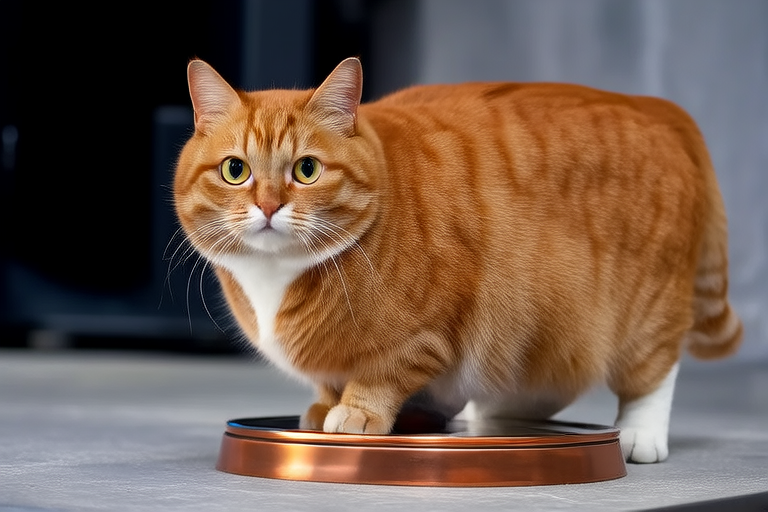
Abyssinian Cats: A Guide to Their Unique Appearance, Origins, Behaviors, and Care Requirements
Welcome to the world of Abyssinian cats, one of the most elegant and striking breeds known for their sleek coats and lively personalities. These cats have been captivating the hearts of cat lovers for centuries, and their unique appearance, coupled with fascinating histories and behaviors, make them stand out from other feline companions.
Origins and Historical Significance
The exact origin of the Abyssinian breed is shrouded in mystery and myth. While some believe they originated from ancient Egypt, where they were worshipped as sacred animals, others suggest they may have been brought to England by British soldiers returning from Abyssinia (now Ethiopia). Regardless of their true origins, these cats have been a part of human history for millennia. They were first recognized as a distinct breed in the 19th century, and since then, they’ve been cherished for their grace and beauty.
Abyssinians have been featured in paintings and sculptures throughout history, often depicted alongside pharaohs and gods. Their presence in these artworks suggests that they were highly valued by ancient civilizations. In modern times, they continue to be popular pets due to their intelligence, playful nature, and strong bond with their human companions.
Unique Appearance
Abyssinians are known for their striking appearance, with a sleek, muscular build, large ears, and almond-shaped eyes. Their coat is short and fine, with a distinctive ticked pattern that gives them a shimmering, iridescent look. This pattern is created by each hair having bands of color, which results in a rich, warm coloration that can range from ruddy to blue, fawn, and cinnamon.
Their genetic makeup contributes to this unique coat pattern. Abyssinians carry a gene called the “ticked tabby” gene, which causes each individual hair to have multiple bands of color. This gene is rare in other cat breeds, making Abyssinians truly one-of-a-kind. The ticking pattern is most pronounced in areas like the face, tail, and legs, creating a stunning contrast against their lighter underbellies.
When compared to other breeds, Abyssinians stand out for their slender, athletic frames and expressive faces. Their large, alert ears and almond-shaped eyes give them a keen, intelligent expression, while their muscular bodies hint at their agility and speed. Unlike some other breeds, Abyssinians tend to be medium-sized, weighing between 6 and 10 pounds, making them a perfect size for both small and large households.
Behavior and Personality
Abyssinians are known for their curious and active nature, always eager to explore their surroundings. They are highly intelligent and enjoy mental stimulation, so it’s important to provide them with toys and puzzles that challenge their minds. Abyssinians are also very social animals, often forming strong bonds with their human families. They thrive on interaction and may become anxious or depressed if left alone for long periods.
Despite their independent streak, Abyssinians are generally affectionate and loving towards their owners. They are known for their playful behavior and love to engage in interactive play with their humans. Abyssinians are also very vocal, often communicating their needs and desires through chirps, trills, and meows. They may even try to communicate with you through gestures, such as headbutting or rubbing against your legs.
Compared to other breeds, Abyssinians are more active and require more attention and engagement. While some cat breeds are content to laze around all day, Abyssinians need regular playtime and mental stimulation to stay happy and healthy. They are also less likely to adapt to changes in routine or environment, so it’s important to establish a consistent schedule and provide a stable home environment.
Care Requirements
Abyssinians are relatively low-maintenance when it comes to grooming, but they still require regular brushing to keep their coats healthy and shiny. Their short, fine fur sheds minimally, but brushing once a week can help remove loose hairs and prevent matting. Bathing is rarely necessary, but it’s a good idea to get your Abyssinian used to being handled from a young age to make grooming easier.
In terms of diet, Abyssinians should be fed a high-quality, balanced diet that meets their nutritional needs. They are prone to dental issues, so it’s important to provide them with appropriate chew toys and dental treats to help maintain good oral hygiene. Regular veterinary check-ups are also essential to ensure your Abyssinian remains healthy and free from common health issues.
Exercise is crucial for keeping Abyssinians fit and happy. Providing them with climbing structures, scratching posts, and interactive toys can help them burn off excess energy and stay mentally stimulated. Regular play sessions with your Abyssinian can also strengthen your bond and provide you with endless entertainment.
Facts and Myths
There are many misconceptions about Abyssinians, some of which stem from their exotic appearance and historical significance. One common myth is that Abyssinians are descendants of royal Egyptian cats. While this may add to their allure, there is no concrete evidence to support this claim. Another myth is that Abyssinians are difficult to care for, but with proper attention and stimulation, they can thrive in a variety of household settings.
One of the most interesting facts about Abyssinians is their genetic makeup. As mentioned earlier, they carry the ticked tabby gene, which is responsible for their unique coat pattern. This gene is also linked to their high intelligence and active nature, making them one of the most dynamic and engaging cat breeds. Additionally, Abyssinians are known for their longevity, often living into their late teens or early twenties.
Living with an Abyssinian
If you’re considering adopting an Abyssinian, it’s important to be prepared for a lively and demanding companion. These cats require plenty of attention and stimulation, so it’s best to have a lifestyle that allows for regular playtime and interaction. Abyssinians are also known for their loyalty and affection, making them ideal companions for individuals who enjoy a close relationship with their pets.
When bringing an Abyssinian into your home, it’s important to create a safe and stimulating environment. Provide them with plenty of hiding spots, climbing structures, and interactive toys to keep them entertained. It’s also a good idea to introduce them to new environments gradually to help them adjust to changes in their surroundings.
Overall, living with an Abyssinian can be a rewarding experience for those who are willing to put in the effort to meet their needs. With their unique appearance, playful nature, and strong bond with their human companions, Abyssinians make excellent additions to any household.
