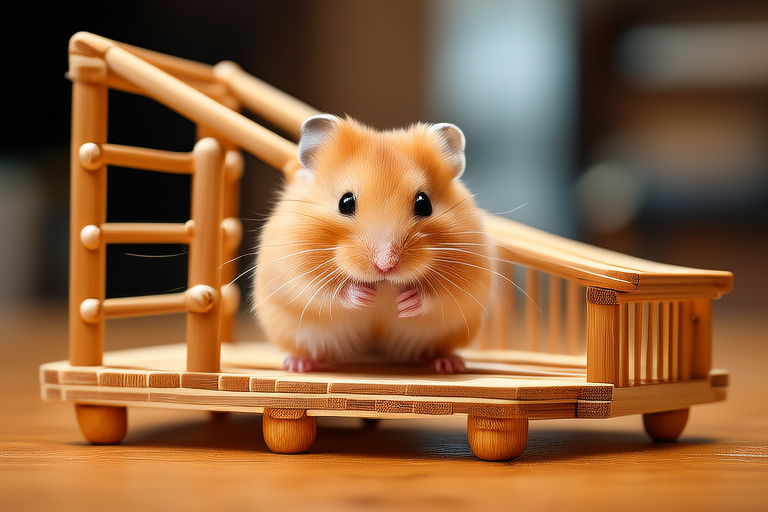
DIY Fun: Crafting the Perfect Playground for Your Hamster
Welcome to your ultimate guide on creating a safe, stimulating, and personalized playground for your beloved hamster! This guide will walk you through every step, from gathering materials to assembling an enriching habitat that ensures your pet’s happiness and well-being.
Understanding Your Hamster’s Needs
Before diving into construction, it’s crucial to understand what makes a hamster thrive. These small creatures are naturally curious and active, requiring ample space to explore and exercise. Additionally, they need mental stimulation to prevent boredom, which can lead to stress or health issues. A well-designed playground will cater to these needs while providing comfort and safety.
Gathering Materials
- Hamster cage: Choose a spacious wire cage with multiple levels or a large aquarium with a secure lid.
- Bedding: Opt for soft, dust-free bedding like aspen wood shavings or paper-based products.
- Exercise wheel: Ensure the wheel is solid (not wire) and has a diameter appropriate for your hamster’s size.
- Tunnels: Look for flexible tubes made of safe materials like plastic or cardboard.
- Hiding spots: Include cozy hideaways such as small boxes or ceramic pots.
- Toys: Add chew toys, ladders, and bridges for additional entertainment.
- Food dish and water bottle: Select non-spillable options for easy feeding and hydration.
- Sanitation tools: Prepare a litter scoop and cleaning supplies.
Building the Playground
Step 1: Setting Up the Cage
Begin by placing the cage in a quiet area away from direct sunlight and drafts. Line the bottom with a thick layer of bedding, ensuring it’s at least two inches deep for comfort and insulation.
Step 2: Adding the Exercise Wheel
Mount the exercise wheel securely within the cage, making sure it’s stable and doesn’t wobble. For dwarf hamsters, choose a smaller wheel with a diameter of about five inches; Syrian hamsters require larger wheels around eight inches in diameter.
Step 3: Incorporating Tunnels
Arrange tunnels strategically throughout the cage, connecting various areas and providing pathways for exploration. Ensure they’re wide enough for your hamster to move comfortably but not so large that they feel insecure.
Step 4: Providing Hiding Spots
Place several hiding spots around the cage, offering your hamster places to retreat when feeling overwhelmed or sleepy. Position them near the entrance of tunnels or alongside walls.
Step 5: Introducing Toys
Scatter toys throughout the playground, including chew sticks, ladders, and bridges. Rotate these items periodically to maintain novelty and excitement.
Step 6: Installing Food and Water Supplies
Position the food dish and water bottle in easily accessible locations, preferably near one of the entrances to encourage regular visits.
Ensuring Safety and Comfort
Safety should always be a priority when designing your hamster’s playground. Here are some tips to ensure their environment is secure:
- Avoid using any materials that could pose choking hazards or cause injuries.
- Regularly check all components for wear and tear, replacing anything that shows signs of damage.
- Keep the cage clean by removing soiled bedding daily and performing thorough cleans weekly.
- Monitor temperature and humidity levels, maintaining a comfortable range between 68-79°F (20-26°C).
Personalizing Based on Breed
Different hamster breeds have unique requirements. Consider the following adjustments for specific types:
- Syrian Hamsters: These larger hamsters need more space and bigger tunnels compared to their smaller counterparts.
- Dwarf Hamsters: Dwarf varieties benefit from smaller, more intricate tunnels and toys designed specifically for their size.
- Chinese Hamsters: Known for their climbing abilities, provide plenty of vertical structures like ladders and ropes.
Maintaining a Clean Environment
Regular cleaning is vital to maintaining a healthy living space for your hamster. Follow these guidelines:
- Remove soiled bedding daily.
- Wash food dishes and water bottles weekly.
- Perform a deep clean of the entire cage monthly, scrubbing all surfaces with pet-safe cleaners.
- Replace bedding completely during deep cleans.
Final Thoughts
Creating a perfect playground for your hamster involves careful planning and attention to detail. By following this guide, you’ll build an enriching environment that promotes physical activity, mental stimulation, and overall well-being. Remember to tailor the setup according to your hamster’s breed-specific needs and maintain cleanliness to ensure longevity and safety.
