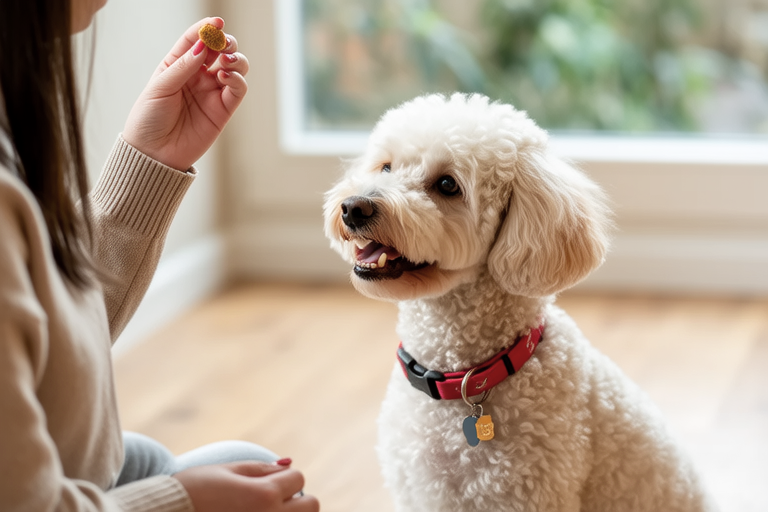
Poodle Training Hacks That Will Make Your Life Easier
Welcome to the wonderful world of poodles! Known for their intelligence, elegance, and loyalty, these dogs are among the most trainable breeds available. Poodles are highly intelligent, which makes them quick learners but also means they can get bored easily if not stimulated properly. Their eagerness to please their owners and ability to understand complex commands make them ideal candidates for various types of training. Whether you’re a first-time owner or a seasoned handler, this guide will provide you with essential poodle training hacks that will make your life easier.
Basic Obedience Training Techniques
Starting with basic obedience training is crucial for any dog, and poodles are no exception. Teaching your poodle to follow simple commands like ‘sit,’ ‘stay,’ ‘come,’ and ‘down’ not only ensures safety but also strengthens the bond between you and your pet. Here’s how you can make this process as smooth as possible:
- Positive Reinforcement: Use treats, praise, and affection to reward good behavior. This method encourages your poodle to repeat the desired actions. For instance, when teaching ‘sit,’ hold a treat above your poodle’s head, allowing it to follow the treat with its eyes and nose, which naturally causes the dog to sit down. As soon as it sits, give the command word and offer the treat as a reward.
- Consistency: Be consistent with your commands and rewards. Using different phrases for the same action can confuse your poodle. Stick to one command for each action and ensure all family members use the same words.
- Short Sessions: Keep training sessions short (5-10 minutes) and frequent. Poodles can get distracted easily, so brief, focused sessions are more effective than long, drawn-out ones.
Tips for Housebreaking
Housebreaking, or potty training, is one of the first and most important steps in raising a well-behaved poodle. With patience and consistency, you can successfully teach your poodle where it’s okay to relieve itself.
- Establish a Routine: Take your poodle outside at regular intervals, especially after meals, naps, and playtime. Consistency helps your poodle learn what is expected of it.
- Choose a Specific Spot: Always take your poodle to the same spot outside for bathroom breaks. This will help it associate that location with its needs.
- Praise and Patience: When your poodle goes in the designated area, lavish it with praise and maybe even a small treat. Avoid punishing accidents; instead, clean them up thoroughly and continue reinforcing proper behavior.
Strategies for Managing Their Energy Levels
Poodles are active dogs that require plenty of physical and mental stimulation. Without enough exercise, they can become bored and develop destructive behaviors. Here are some ways to keep your poodle happy and healthy:
- Regular Exercise: Daily walks and playtimes are essential. Poodles love to run and play, so make sure they get enough exercise. Consider activities like fetch, swimming, or agility training to keep them engaged.
- Mental Stimulation: Puzzle toys and interactive games can help stimulate your poodle’s mind. Hide treats around the house and let your poodle find them, or use toys that dispense treats when manipulated correctly.
- Training Sessions: Incorporate training into your daily routine. Not only does this provide mental stimulation, but it also reinforces good behavior and strengthens your bond.
Advice on Dealing with Common Behavioral Issues
Like any breed, poodles can sometimes exhibit problematic behaviors. Understanding and addressing these issues early can prevent them from becoming ingrained habits.
- Barking: Poodles can be vocal, often barking to alert their owners of potential dangers or simply because they want attention. To curb excessive barking, try to identify the triggers and address them. If your poodle barks for attention, ignore it until it stops, then reward it for being quiet.
- Destructive Behavior: Boredom and lack of exercise can lead to destructive behavior. Ensure your poodle gets enough physical and mental stimulation. Providing appropriate chew toys can also help redirect chewing behavior.
- Anxiety: Some poodles may suffer from separation anxiety, leading to destructive behavior when left alone. Gradually increase the time your poodle spends alone to build its confidence. Desensitization techniques, such as leaving the radio on while you’re away, can also help.
Maintaining a Positive Training Environment
The key to successful training lies in creating a positive and supportive environment. A calm, structured home where your poodle knows what is expected of it can significantly reduce stress and promote good behavior.
- Clear Communication: Use clear, concise commands and maintain eye contact during training. This helps your poodle understand what you expect.
- Patience: Every dog learns at its own pace. Be patient and avoid frustration. Celebrate small victories and remain consistent with your training methods.
- Consistency: Consistency is crucial in training. All family members should use the same commands and reinforce the same rules. This helps your poodle understand what is expected of it.
In conclusion, poodle training doesn’t have to be overwhelming. By employing these practical, easy-to-follow hacks, you can enjoy a well-trained, happy poodle. Remember, the journey of training is as much about building a strong bond with your pet as it is about teaching it commands. Stay positive, be patient, and celebrate every step of progress along the way. With dedication and consistency, you’ll find that your poodle becomes not just a well-behaved companion, but also a cherished member of your family.
