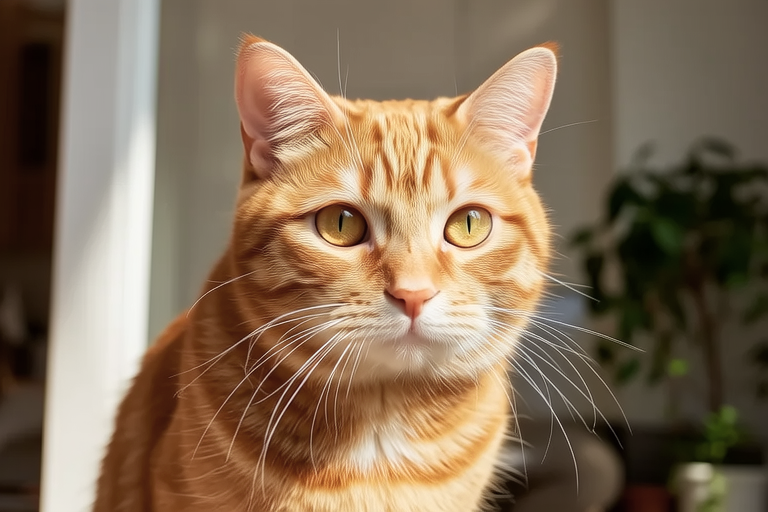
Adorable Tabbies: The Secret Behind the Popularity of Orange Cats
Welcome to a delightful exploration into the world of orange cats, often referred to as tabbies. These feline companions have captured the hearts of many with their striking appearance and charming personalities. In this article, we will delve into what defines a tabby, the genetics behind their coat patterns, their historical significance, and why they remain popular today.
What Makes a Cat a Tabby?
A tabby cat is not a breed but rather a coat pattern that can appear in various cat breeds. This pattern is characterized by distinctive orange or brown stripes or spots against a lighter background. The most common tabby pattern is the mackerel tabby, which features narrow, parallel lines along the cat’s sides, resembling the bones of a fish (mackerel). Other patterns include the classic tabby, which has a swirled or bullseye pattern; the ticked tabby, where the pattern is more subtle, appearing as bands of color along each hair shaft; and the spotted tabby, featuring distinct circular markings.
The Genetic Factors Behind Their Coat Patterns
The unique coat patterns of tabby cats are determined by a set of genes. The gene responsible for the tabby pattern is known as Tb, which comes in two variants: T for tabby and t for solid color. When a cat inherits the T variant from both parents, it results in the classic tabby pattern. The presence of other genes, such as A for agouti, plays a role in the expression of colors like orange. This combination allows for the beautiful range of colors and patterns seen in tabby cats.
The History and Origins of Orange Cats
Orange cats have a long and storied history. They were revered in ancient Egypt, where they were believed to be sacred animals associated with the goddess Bastet. In medieval Europe, orange cats were considered good luck, especially when they lived in homes and ships. Sailors often kept orange cats aboard their vessels to catch rodents and bring good fortune. Across different cultures, these cats have been symbols of prosperity, protection, and companionship.
Famous Orange Cats Through History and Media
Orange cats have made appearances in literature, film, and television, further cementing their place in popular culture. One of the most famous orange cats is Cheshire Cat from Lewis Carroll’s “Alice’s Adventures in Wonderland.” Another notable example is Garfield, the beloved cartoon character created by Jim Davis. These fictional characters have helped shape the public perception of orange cats as intelligent, mischievous, and endearing.
Personality Traits of Orange Cats
Orange cats are known for their friendly and outgoing personalities. They tend to be social and enjoy interacting with humans and other animals. Many orange cats are playful and curious, always ready to explore new environments. However, they also value quiet moments and can be quite affectionate, often seeking attention from their owners. These traits make them ideal companions for families and individuals alike.
Suitability as Pets
Due to their sociable nature and adaptability, orange cats make excellent pets. They thrive in households with children and other pets. However, it is important to provide them with plenty of toys and stimulation to keep them engaged and happy. Regular playtime and interaction can help prevent boredom and destructive behaviors. Additionally, ensuring they have a safe outdoor space or access to windows for bird watching can enhance their quality of life.
Health Considerations for Orange Cats
While orange cats generally enjoy good health, there are some considerations to keep in mind. Like all cats, they require regular veterinary care, including vaccinations and check-ups. Some orange cats may be prone to certain conditions, such as hypertrophic cardiomyopathy, a heart disease. Early detection through routine vet visits can help manage and treat these issues effectively. Proper nutrition and exercise are also key to maintaining their overall well-being.
Why Are Orange Cats So Popular?
The enduring appeal of orange cats can be attributed to several factors. Their striking appearance, combined with their friendly and sociable nature, makes them highly desirable pets. The rich history and cultural significance of these cats add to their mystique and charm. Additionally, their adaptability and compatibility with various living situations make them suitable for a wide range of households. Whether you’re a seasoned cat owner or considering adopting your first pet, an orange cat could be the perfect addition to your family.
In conclusion, the popularity of orange cats stems from their unique beauty, engaging personalities, and cultural significance. From ancient Egypt to modern-day homes, these feline companions have captivated hearts and minds for centuries. By understanding the genetics behind their coat patterns, their historical context, and their suitability as pets, we can better appreciate the allure of these adorable tabbies.
