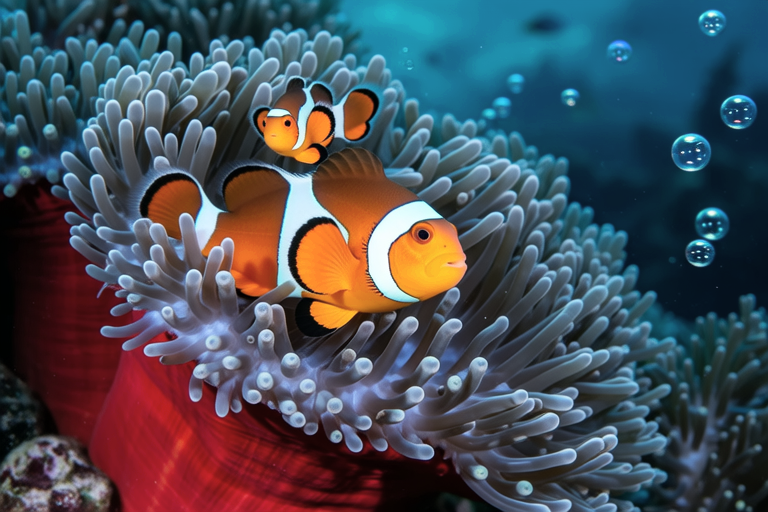
Anemone Allies: Discovering the Unique Symbiotic Relationship Between Clownfish and Anemones
Symbiosis is a fascinating biological phenomenon where two different species live closely together, often benefiting each other. One of the most iconic examples of symbiosis is the relationship between clownfish and sea anemones. This mutually beneficial association, known as mutualism, has captivated marine biologists and nature enthusiasts alike.
The Perfect Partnership
Clownfish and anemones have formed a unique partnership that exemplifies mutualism. In this relationship, both species benefit from each other’s presence. The clownfish, also known as anemonefish, are small, vibrant fish that live among the tentacles of sea anemones. These anemones, which resemble plants but are actually predatory animals, possess specialized stinging cells called nematocysts. Despite the anemone’s potent venom, clownfish are immune to its effects due to a protective mucus layer that covers their bodies. This adaptation allows clownfish to safely navigate through the anemone’s tentacles without triggering the nematocysts. In return, the clownfish provide the anemone with various benefits, such as increased prey delivery and protection against predators.
Physical Adaptations for Survival
The clownfish’s mucus layer plays a crucial role in protecting it from the anemone’s stinging cells. Scientists believe that this mucus contains compounds that neutralize the toxins released by the nematocysts, allowing the clownfish to coexist with the anemone. Over time, clownfish have evolved to become more adept at navigating the anemone’s tentacles, ensuring they can access food and shelter without triggering the nematocysts.
Sea anemones, on the other hand, have adapted their tentacles to capture small fish and other marine creatures. These tentacles are lined with nematocysts, which release tiny harpoons filled with venom when triggered. Once an unsuspecting prey comes into contact with the tentacle, the nematocysts fire, immobilizing the prey and delivering it to the anemone’s mouth. While the clownfish are protected from the anemone’s venom, they can still assist in capturing prey by driving away larger fish that might otherwise steal the anemone’s food.
Benefits of the Relationship
The clownfish-anemone relationship offers numerous benefits to both parties. For the clownfish, the anemone provides a safe haven from predators, offering them protection from larger fish and other marine animals. Additionally, the anemone serves as a source of food, with clownfish often feeding on leftover scraps from the anemone’s meals. The clownfish also help to keep the anemone clean by eating algae and other debris that may accumulate on its surface. Furthermore, the clownfish’s presence can deter potential predators of the anemone, providing an additional layer of security.
For the anemone, the clownfish offer several advantages. By living within the anemone’s tentacles, the clownfish can drive away larger fish that might otherwise consume the anemone or compete for its resources. Additionally, the clownfish may help to attract smaller fish and other prey to the anemone, potentially increasing the anemone’s chances of capturing a meal. Some scientists suggest that the clownfish’s movements may even stimulate the anemone’s tentacles, encouraging them to open wider and increase the anemone’s ability to capture prey.
Evolutionary Aspects and Theories
The evolution of the clownfish-anemone relationship is a topic of great interest among marine biologists. Several theories have been proposed to explain how this unique partnership developed over time. One theory suggests that the relationship began as a commensal interaction, where one species benefited while the other was neither helped nor harmed. Over time, as clownfish became more dependent on the anemone for protection, the relationship gradually shifted towards mutualism.
Another theory proposes that the relationship developed through a process known as coevolution, where both species evolved together in response to each other’s needs. As the clownfish became more adept at navigating the anemone’s tentacles, the anemone may have evolved to tolerate the clownfish’s presence, leading to the development of the mutualistic relationship we see today. Further research is needed to fully understand the complex evolutionary history of this fascinating partnership.
The Importance of Preservation
The clownfish-anemone relationship is just one example of the intricate web of life found in coral reef ecosystems. These ecosystems are incredibly diverse and support a wide range of marine species, many of which rely on each other for survival. Unfortunately, coral reefs around the world are under threat from human activities such as pollution, overfishing, and climate change. These factors can disrupt the delicate balance of the ecosystem, potentially leading to the collapse of the clownfish-anemone relationship and the loss of other important interactions.
To preserve these vital ecosystems, it is essential to take action to reduce the impact of human activities on the environment. This includes reducing carbon emissions to mitigate the effects of climate change, implementing sustainable fishing practices, and protecting coral reefs from pollution and damage. By taking steps to protect these ecosystems, we can help ensure the continued survival of the clownfish-anemone relationship and the countless other species that depend on coral reefs for their survival.
In conclusion, the relationship between clownfish and anemones is a prime example of the beauty and complexity of nature. Through their unique adaptations and mutual benefits, these two species have formed a partnership that has stood the test of time. However, the future of this relationship, and the ecosystems it depends on, is uncertain. It is up to us to take action to protect these vital ecosystems and ensure that future generations can continue to marvel at the wonders of the natural world.
