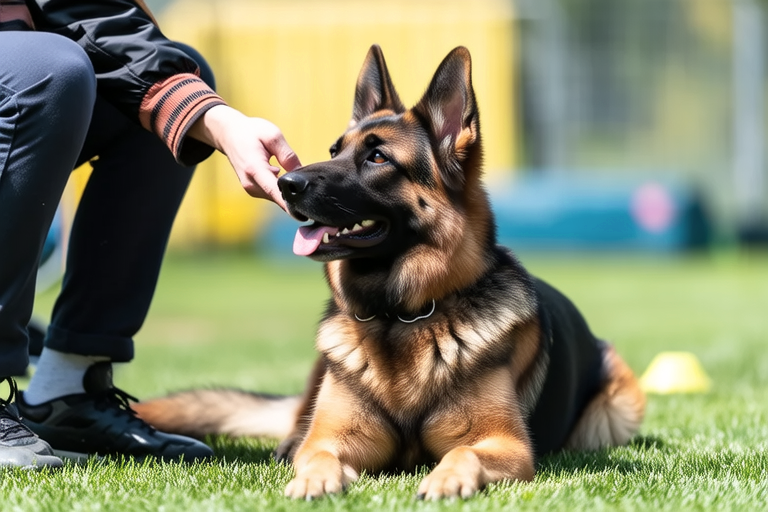
German Shepherd Training Hacks Every Owner Needs
Welcome to the world of German Shepherd ownership! Known for their intelligence, loyalty, and versatility, German Shepherds are one of the most popular dog breeds globally. Their exceptional trainability makes them ideal for roles ranging from police work to therapy assistance. However, this intelligence also means they can quickly become bored or unruly if not properly engaged. This article will guide you through essential training hacks to ensure your German Shepherd becomes a well-behaved, happy companion.
Basic Obedience Training Techniques
Starting with the basics is crucial. Commands like ‘sit’, ‘stay’, ‘come’, and ‘down’ form the foundation of your German Shepherd’s training. Begin by teaching ‘sit’. Hold a treat close to your dog’s nose, then slowly move it upwards, prompting the dog to sit. As soon as they do, say ‘sit’ and reward them with the treat. Repeat this process several times daily until your dog associates the command with the action.
The ‘stay’ command requires patience. Start by asking your dog to sit, then extend your hand palm forward while saying ‘stay’. Initially, only hold this position for a few seconds before rewarding your dog. Gradually increase the duration as your dog gets more comfortable.
‘Come’ and ‘down’ are equally important commands that require a bit more practice. For ‘come’, use a call that sounds inviting but firm. Reward your dog immediately upon arrival. The ‘down’ command can be taught similarly to ‘sit’, but with a slight twist – lower the treat towards the ground, encouraging your dog to lie down.
Tips for Socializing Young Pups
Socialization is key to raising a well-adjusted German Shepherd. Expose your puppy to various environments, people, and other animals from an early age. This helps prevent behavioral issues later on. Take your puppy to parks, pet stores, and other places where they can meet different people and dogs. Always ensure these interactions are positive experiences.
Introduce your puppy to children carefully. Teach kids how to approach and handle the puppy gently. Encourage calm and gentle behavior around your puppy. Early exposure to different stimuli, such as noises, surfaces, and smells, can help build resilience and confidence in your growing dog.
Strategies for Managing Separation Anxiety
Separation anxiety is a common issue among German Shepherds. To manage this, start by gradually increasing the time you spend away from your dog. Begin with short absences, returning when your dog is calm and relaxed. Over time, extend these periods, ensuring your dog remains comfortable. Providing toys and puzzles can also help distract your dog and reduce anxiety.
Creating a safe space for your dog can also alleviate separation anxiety. A crate or a designated area with familiar items can make your dog feel secure. Ensure this space is associated with positive experiences, such as feeding and playtime. Desensitization techniques, like leaving a radio playing or placing a piece of clothing worn by you in the area, can further ease your dog’s distress.
Maintaining Consistent Training Routines
Consistency is vital in training any dog, especially a breed as intelligent as the German Shepherd. Establish a regular training schedule and stick to it. Training sessions should be short (10-15 minutes) and frequent (several times a day). Use the same commands and gestures consistently so your dog understands what is expected. Avoid mixed signals; for example, don’t sometimes say ‘sit’ and other times just gesture without speaking.
Incorporate training into everyday activities. For instance, ask your dog to sit before meals or walks. This reinforces commands and helps integrate training into your routine seamlessly. Remember, training isn’t just about teaching commands; it’s also about building a bond and understanding between you and your dog.
Understanding Body Language and Effective Communication
Learning to read your German Shepherd’s body language is essential for effective communication. Tail wagging, for example, doesn’t always mean happiness. A high, fast wag might indicate excitement, while a slow, low wag could signal unease. Ears pinned back and a lowered head suggest submission, whereas raised ears and a stiff posture may indicate alertness or aggression.
Pay attention to your dog’s eyes and facial expressions. Relaxed eyes and a soft mouth usually mean your dog is content. Conversely, dilated pupils and tense facial muscles can indicate stress or fear. Understanding these cues allows you to respond appropriately, whether offering comfort or reassurance.
Vocalizations are another form of communication. Barks can vary in pitch and frequency, each conveying different emotions. High-pitched barks often express excitement or alarm, while deeper, slower barks might indicate dominance or warning. Learning to interpret these vocalizations can deepen your connection with your dog and enhance your ability to address their needs.
Common Pitfalls to Avoid During Training
Avoid overtraining, which can lead to burnout and disinterest in your dog. Keep training sessions short and fun. Also, be mindful of punishment-based training methods, which can damage trust and create fear. Instead, focus on positive reinforcement, rewarding good behavior and ignoring bad behavior whenever possible.
Another common mistake is inconsistency. Varying commands or expectations can confuse your dog. Stick to a clear and consistent set of rules and commands. Additionally, avoid reinforcing unwanted behaviors unintentionally. For example, giving attention to a barking dog can inadvertently encourage more barking.
The Importance of Patience and Positive Reinforcement
Patient training is crucial. Each dog learns at its own pace, and it’s important to respect this. Positive reinforcement, such as treats, praise, and affection, is highly effective. It encourages desirable behaviors and strengthens the bond between you and your dog. Be generous with rewards and praise, making training a positive experience for both you and your German Shepherd.
Remember, training is a journey, not a destination. With dedication, consistency, and love, your German Shepherd will grow into a well-trained, loyal companion. Enjoy the process and celebrate every step of progress along the way.
